







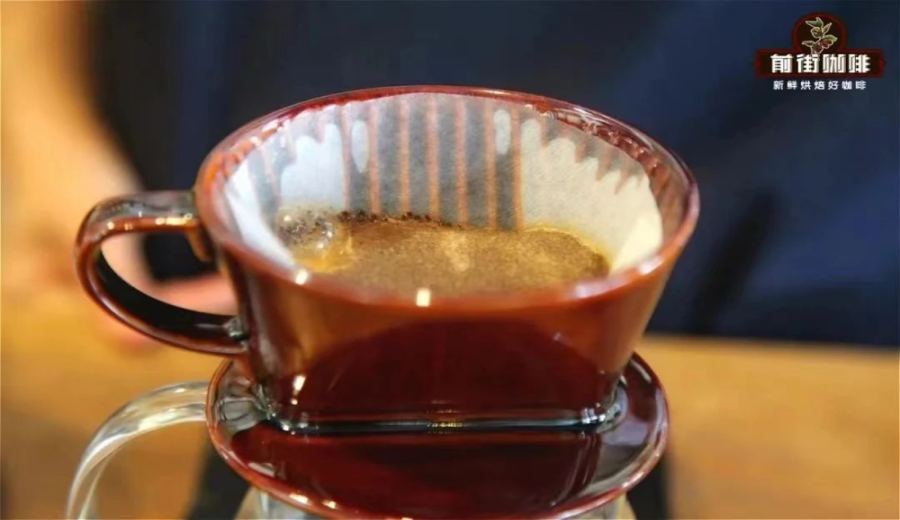
Introduction:As a representative of flat-bottom pour over drippers, the cake dripper’s unique bottom design and filter paper attachment method result in an extraction style distinctly different from cone-shaped drippers. This article will delve into the structural principles of the cake dripper, explore how its rib design affects water flow, and provide practical operational tips to help you master the extraction characteristics of this tool—enhancing the stability and flavor balance of your pour over coffee.
In the world of pour over coffee, achieving uniform extraction has always been a core goal for every coffee enthusiast. Whether selecting equipment or adjusting brewing techniques, the ultimate aim is to ensure each coffee particle is extracted relatively consistently. When it comes to dripper design, cone-shaped drippers are widely favored for their even water distribution, but today we’ll focus on another design—the cake dripper. This flat-bottom dripper features a unique design logic that enhances extraction uniformity.
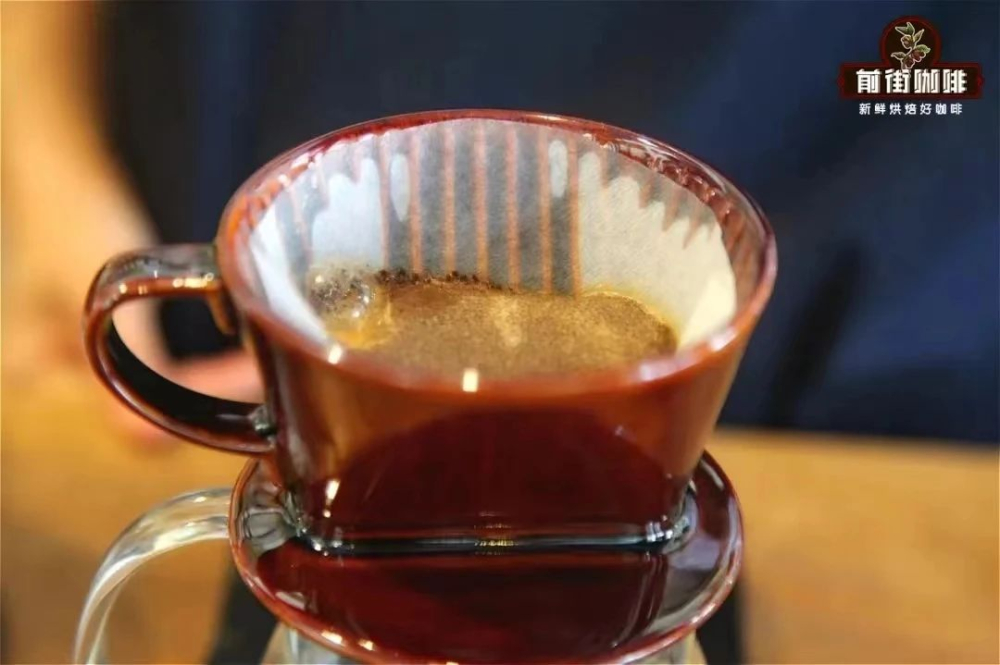
Extraction uniformity is key to pour over coffee. Whether choosing a dripper or adjusting technique, the goal is to bring coffee grounds to an ideal extraction state. Compared to cone-shaped drippers, the flat-bottom design of the cake dripper brings different water distribution characteristics, and its bottom structure along with rib design significantly impacts extraction. Additionally, how the cake filter paper adheres directly influences brewing performance—these details are all worth exploring in depth.
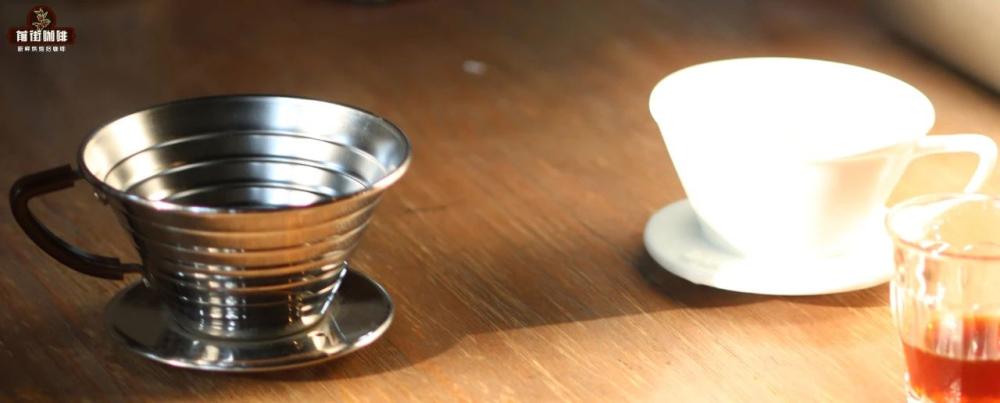
How does a dripper assist in achieving uniform extraction of coffee grounds? First, it’s important to understand that absolute uniform extraction is nearly impossible; we aim for a relatively consistent effect. Take the common V60 dripper as an example: its circular dripper opening design makes it easier than many other shapes to achieve even water distribution, resulting in more consistent extraction. The flat-bottom design of the cake dripper, on the other hand, presents different challenges and advantages.
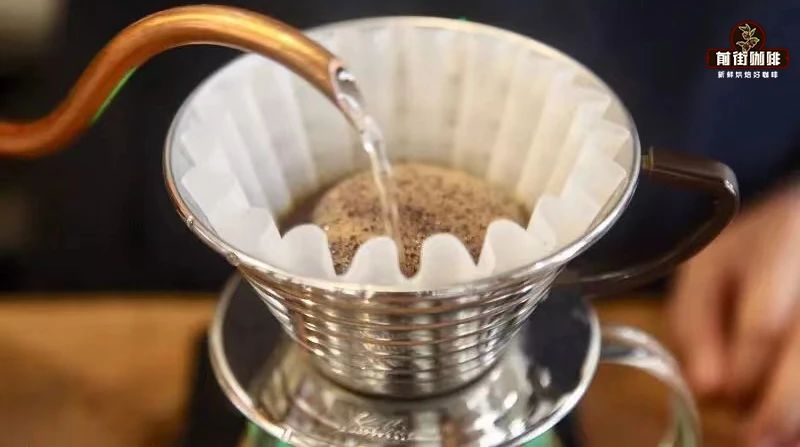
The rib design at the bottom of the dripper is generally used to support the filter paper and ensure smooth water flow. If the dripper bottom were completely smooth, the filter paper would cling tightly to it, obstructing water flow; appropriately designed ribs prevent the filter paper from fully adhering, maintaining good drainage speed. However, the function of ribs in a flat-bottom dripper differs from that in a cone-shaped dripper, due to differences in how the filter paper adheres.
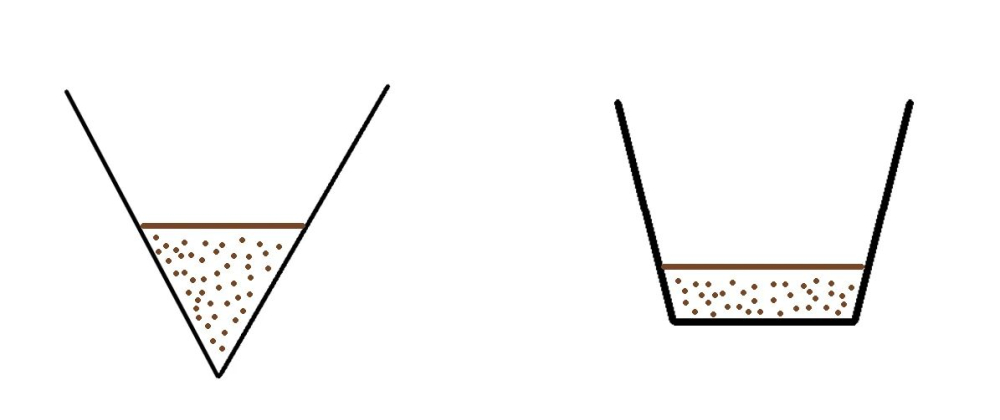
Notably, the cake filter paper used with a flat-bottom dripper only adheres to the areas with outward folds, meaning the ribs’ effective range is limited. This implies that when using a cake dripper, water distribution and extraction uniformity rely more on the coordination between pouring technique and dripper structure, rather than solely depending on the rib design.
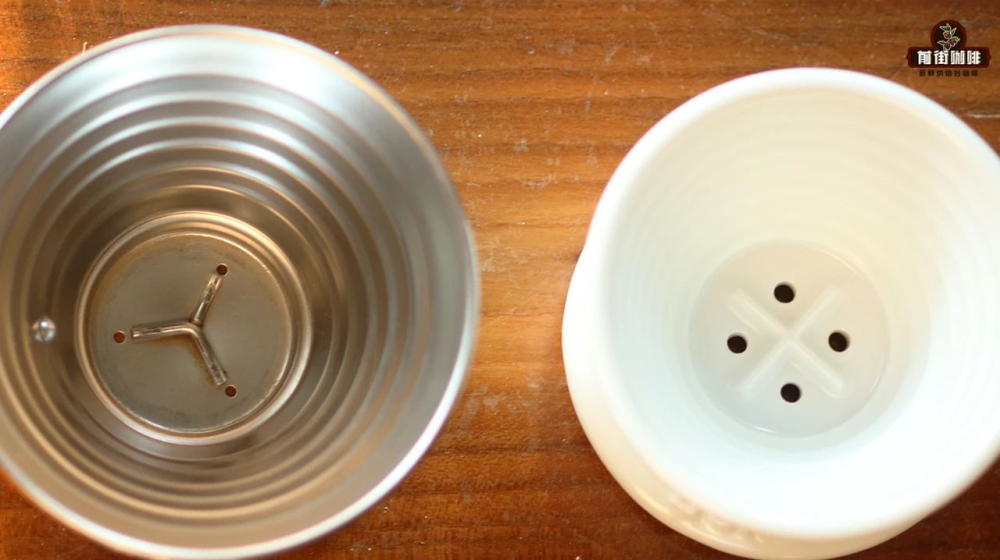
In summary, the flat-bottom design of the cake dripper offers distinct extraction characteristics, suiting coffee lovers who pursue specific flavor profiles. Understanding the principles behind its ribs and filter paper adhesion, and mastering appropriate pouring techniques, can help you fully realize the potential of this dripper—brewing pour over coffee with balanced flavor and rich layers.
The above content is compiled by CoffeeHunters, a coffee news website.


