







Introduction:During the 2022 Beijing Winter Olympics, the mascot Bing Dwen Dwen became an internet sensation due to its adorable design, but it also sparked a series of commercial imitation controversies. A Manner Coffee outlet in Shanghai was fined 1,000 yuan by market regulators for selling a latte with a Bing Dwen Dwen-patterned pour over art, drawing widespread industry attention to the legal boundaries of using Olympic symbols commercially. This article details the background of the penalty, the applicable laws, and similar cases to help coffee professionals understand the line between creative latte art and copyright infringement, and to avoid stepping on intellectual property landmines.
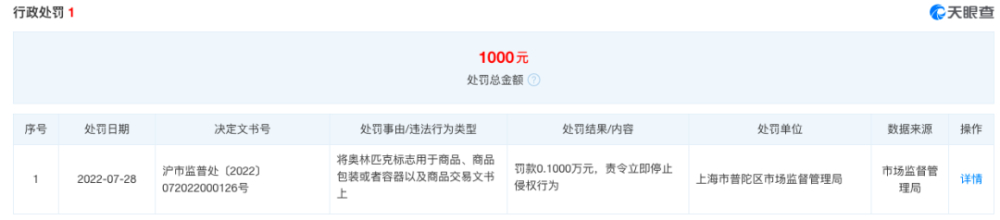
During the 2022 Beijing Winter Olympics, the mascot "Bing Dwen Dwen" quickly went viral with its cute appearance, leading to a "one Dwen hard to find" phenomenon. This craze inspired numerous creative imitations, ranging from handicrafts to desserts and beverages. However, a Manner Coffee store in Shanghai drew industry attention after making and selling a latte with a pour over art resembling the Bing Dwen Dwen pattern, for which it received a 1,000-yuan fine from the Shanghai Putuo District Market Supervision Administration.
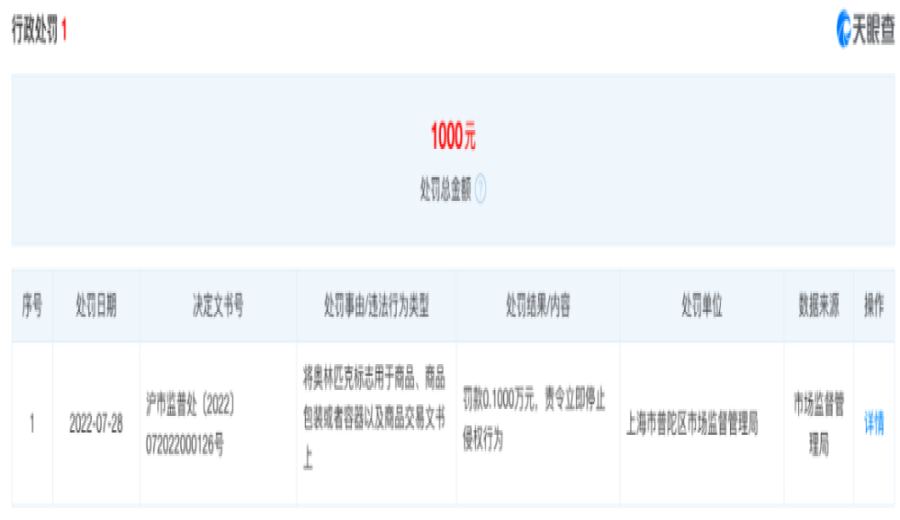
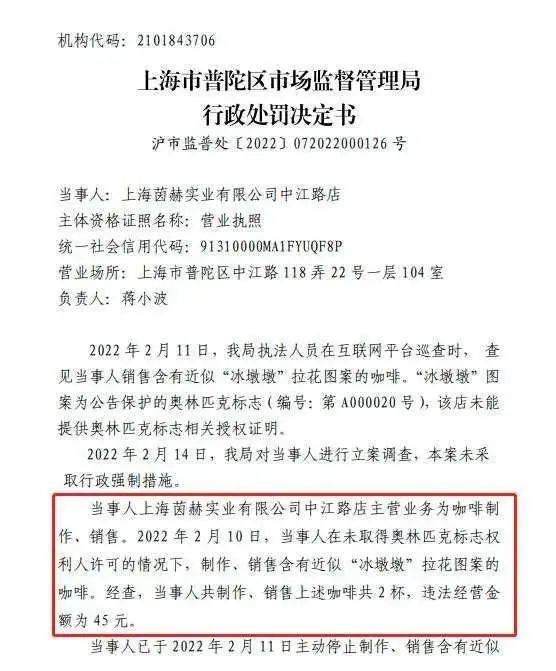
According to information disclosed by Tianyancha, the involved outlet was the Zhongjiang Road branch of Shanghai Yinhe Industrial Co., Ltd. It was ordered to immediately cease the infringing behavior and was administratively fined for using the relevant patterns on coffee products and packaging without authorization from the Olympic symbols. On February 10, 2022, the store made and sold two cups of coffee featuring Bing Dwen Dwen-like pour over art patterns, with total sales of only 45 yuan, yet it still constituted a violation.
"Bing Dwen Dwen" is the official mascot of the Beijing Winter Olympics and is explicitly protected under regulations such as the Trademark Law of the People's Republic of China and the Olympic Symbols Protection Regulations. Even if merchants do not mark up the price of related goods, any unauthorized use of Olympic symbol patterns, including for promotional purposes, product packaging, or service content, is considered an infringement.
It is worth noting that individuals creating Bing Dwen Dwen-related works out of interest, such as hand-poured latte art, cakes, or embroidery, generally do not constitute infringement if the works are for personal appreciation or non-commercial sharing. However, once commercial use is involved, regardless of whether there is direct profit, it may violate relevant laws. For example, if a barista offers a Bing Dwen Dwen-themed pour over latte in-store, even without a special price markup, it still falls under commercial use and carries legal risks.
According to the Olympic Symbols Protection Regulations, the protection period for Olympic-related symbols is generally ten years, calculated from the date of announcement. The relevant symbols of the 2022 Beijing Winter Olympics and Paralympics have enjoyed exclusive protection for ten years starting from February 13, 2022. This means that any unauthorized use during this period may lead to legal liability.
In fact, in the first half of 2022, multiple cities in China successively investigated several commercial infringement cases involving the Bing Dwen Dwen pattern. For example, the Nanjing Gulou District Market Supervision Bureau once seized a bakery that produced Bing Dwen Dwen-shaped cakes without authorization; a company in Nantong was also investigated for selling clothing featuring the Bing Dwen Dwen pattern on an e-commerce platform. These cases show that even popular elements used for commercial purposes without official authorization are illegal.
Although the Beijing Winter Olympics ended nearly half a year ago and the Bing Dwen Dwen craze has gradually subsided, the legal protection of related Olympic symbols remains in effect. Coffee professionals should pay special attention to avoiding the use of Olympic-related images when designing pour over art, cup designs, or store promotions to prevent unintentional penalties. Creativity is important, but compliance is the foundation of business.
In summary, creating coffee pour over art is a process of showcasing skill and aesthetics, but if it involves protected Olympic symbols, even just playful imitations, it may constitute infringement. It is recommended that businesses choose uncontroversial designs when creating and remain vigilant about commonly protected symbols to ensure compliance and avoid unnecessary legal risks.
The above content is compiled by CoffeeHunters, a coffee news website.


