







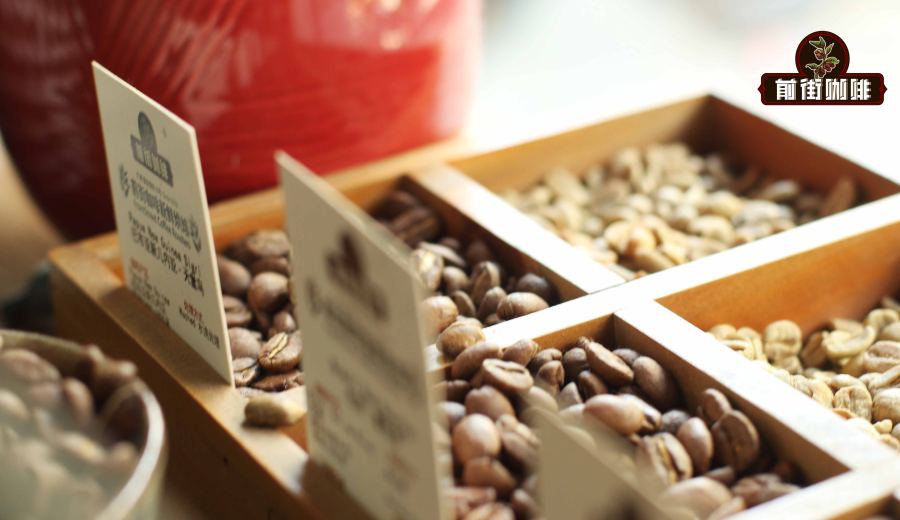
Introduction:Coffee enthusiasts often find themselves puzzled by the grading labels on green beans. Letters like AA, G1, and SHB actually reflect the unique grading logic of each producing region. This article delves into the grading standards of Ethiopia and Kenya, two of Africa’s premier specialty coffee regions, to help you understand how these grades reflect coffee quality. It also offers practical buying references to assist you in selecting the right green beans according to your needs.
Many coffee lovers encounter various grade markings when purchasing green beans—such as AA, G1, and SHB. These seemingly arbitrary letter combinations actually represent the unique grading systems of each origin. Faced with this variety of grade labels, many people wonder: which grade indicates higher-quality coffee beans? In fact, there is no unified global standard for green bean grading. Each producing region uses evaluation criteria that emphasize different aspects, making direct cross-country comparisons based solely on grades quite challenging.

Why are global green bean grading standards so diverse? The key lies in the significant differences in geography, climate conditions, and cultivated varieties across regions. As a result, it’s difficult to establish a one-size-fits-all universal standard. These grading systems are mainly designed to help green bean buyers make judgments based on the specific characteristics of a producing region, rather than to provide a globally applicable quality ranking. For example, some regions may focus on bean size and appearance, while others may prioritize growing altitude and processing methods.
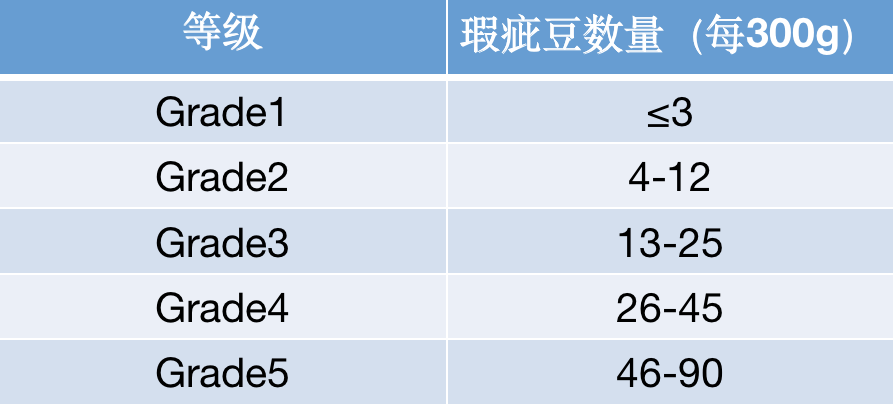
Gaining an in-depth understanding of the grading standards of Ethiopia and Kenya—two leading African specialty coffee regions—will help you more accurately grasp the quality characteristics of green beans. As one of the birthplaces of coffee, Ethiopia’s grading system primarily considers factors such as growing altitude, the rate of physical defects, and cupping performance. Common grades like SHB (Strictly High Grown) indicate beans grown at high altitudes under strict conditions, typically offering brighter acidity and more complex flavor profiles. Kenya, on the other hand, is known for its unique two-tier grading system, mainly divided into G1 and G2 grades, with G1 representing the highest quality. These beans are usually selected through rigorous cupping processes and showcase intense fruitiness and balanced taste.

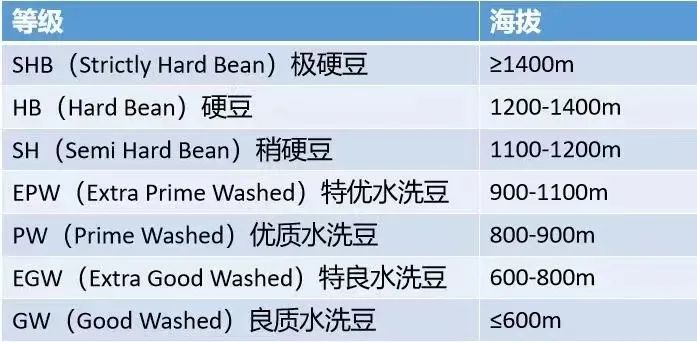
Within Ethiopia’s grading system, besides SHB, there are other grades such as HB (High Grown). These grade divisions are mainly based on the altitude at which the coffee trees are grown. Generally speaking, the higher the altitude, the denser the coffee beans and the richer the flavors. Additionally, Ethiopia’s green bean grading also takes into account the rate of physical defects in the beans—the fewer the defects, the higher the grade. For buyers, understanding these details helps make more informed decisions when selecting green beans, based on desired flavor profiles and quality requirements.
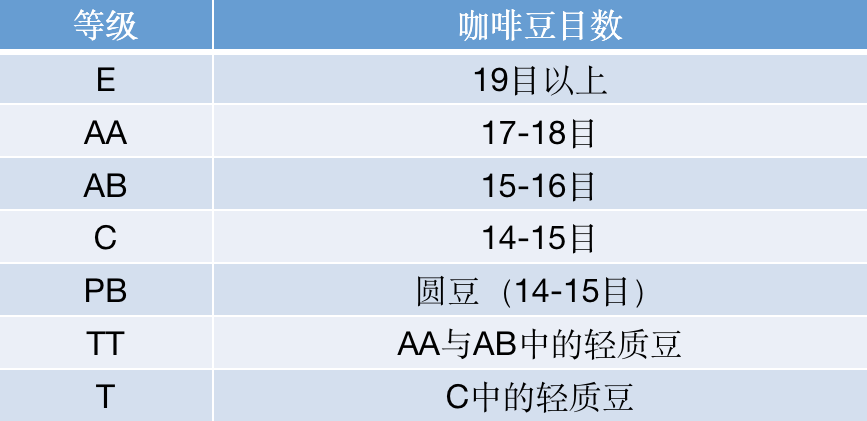
Kenya’s grading standards are renowned for their rigorous cupping procedures. G1 and G2 grade beans must pass a series of strict sensory evaluations to ensure they meet high standards in acidity, sweetness, body, and overall flavor performance. Notably, Kenyan coffee beans are often celebrated in the market for their distinctive “blackcurrant” and “tomato-like acidity” flavors, which are often closely tied to their refined grading system. When facing G1 and G2 grades, buyers can expect greater consistency and quality assurance—especially appealing to consumers seeking high-quality single-origin coffees.
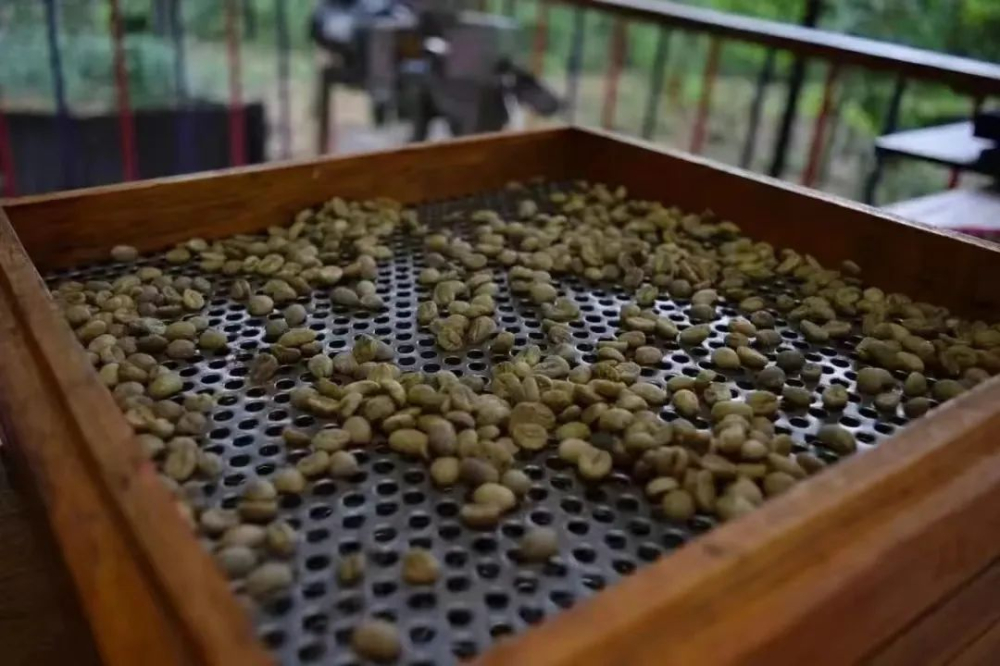
For coffee professionals or enthusiasts, understanding the logic behind these grading systems not only aids in making better green bean purchasing choices but also allows for a deeper appreciation of the unique flavors of beans from each region. It’s important to note that grading standards from different regions are not directly comparable. For instance, while Ethiopia’s SHB and Kenya’s G1 both represent high quality, their evaluation criteria and flavor characteristics may differ. Therefore, when referencing this grade information, it’s recommended to consider specific regional traits, processing methods, and cupping reports to form a more comprehensive quality assessment.
In summary, although global green bean grading systems are diverse, each set of standards reflects that region’s unique understanding and requirements for coffee quality. By gaining a deeper understanding of the grading standards of Ethiopia and Kenya, you’ll be able to more confidently select the most suitable green beans based on your personal preferences and needs—further enhancing your overall coffee brewing experience and flavor expression.
The above content is compiled by CoffeeHunters, a coffee news website.


