








Introduction:As Luckin Coffee reduces its discount intensity, the average price of drinks has risen back to the range of 15 to 25 yuan. Many consumers feel that “the deals are gone” and even suspect that the platform is engaging in price discrimination against loyal customers. In response to this change, some users have started adopting what’s called “acting-style ordering”—pretending to hesitate and then abandoning their purchase in the mini-program, in an attempt to trigger the system to issue retention coupons. But does this method actually work? What user behavior logic lies behind it? This article delves into the truth behind the phenomenon and reminds consumers to uphold honesty.
Luckin Coffee once quickly rose to fame with generous subsidies, with early drink prices comparable to those of affordable beverages. New users could even enjoy a free first drink or extremely low discounts on the second. However, after experiencing financial turbulence and market reshuffling, the brand shifted toward stable operations, gradually phasing out the previous money-burning subsidy model. Today, the price of a Luckin Coffee drink mostly falls within the 15 to 25 yuan range, a noticeable increase from the early days and even approaching the pricing level of premium coffee brands like Starbucks in the eyes of some customers.

With higher discount thresholds, the once-common 1.8x and 3.8x coupons are now harder to come by. The current mainstream offers are 4.8x to 5x discounts, which often require scrambling to secure. Although the frequency of new product launches remains high, the subsidy strength is far weaker than before. As a result, Luckin, which has long attracted customers with high cost-performance, is now facing the challenge of declining user stickiness.
When the deals are no longer “attractive,” some consumers have begun seeking new ways to continue enjoying discounts. On community platforms like Xiaohongshu, netizens have shared so-called “acting-style ordering” techniques: when placing an order on the official Luckin mini-program, they deliberately show hesitation and indecision, even choosing to abandon the purchase at the last moment. It is claimed that this may trigger the system’s user retention mechanism, leading to the platform actively pushing discount coupons.
Some testers have reported that after following this method, they indeed received discount coupons from Luckin shortly after abandoning their orders—such as limited-time 9.9 yuan product offers—proving that the strategy can work in certain cases.
However, many netizens have also reported that even after fully mimicking the “acting-style ordering” process—including multiple browsing sessions and hesitation before abandonment—they did not receive any subsidy coupons, showing that the method is not 100% effective.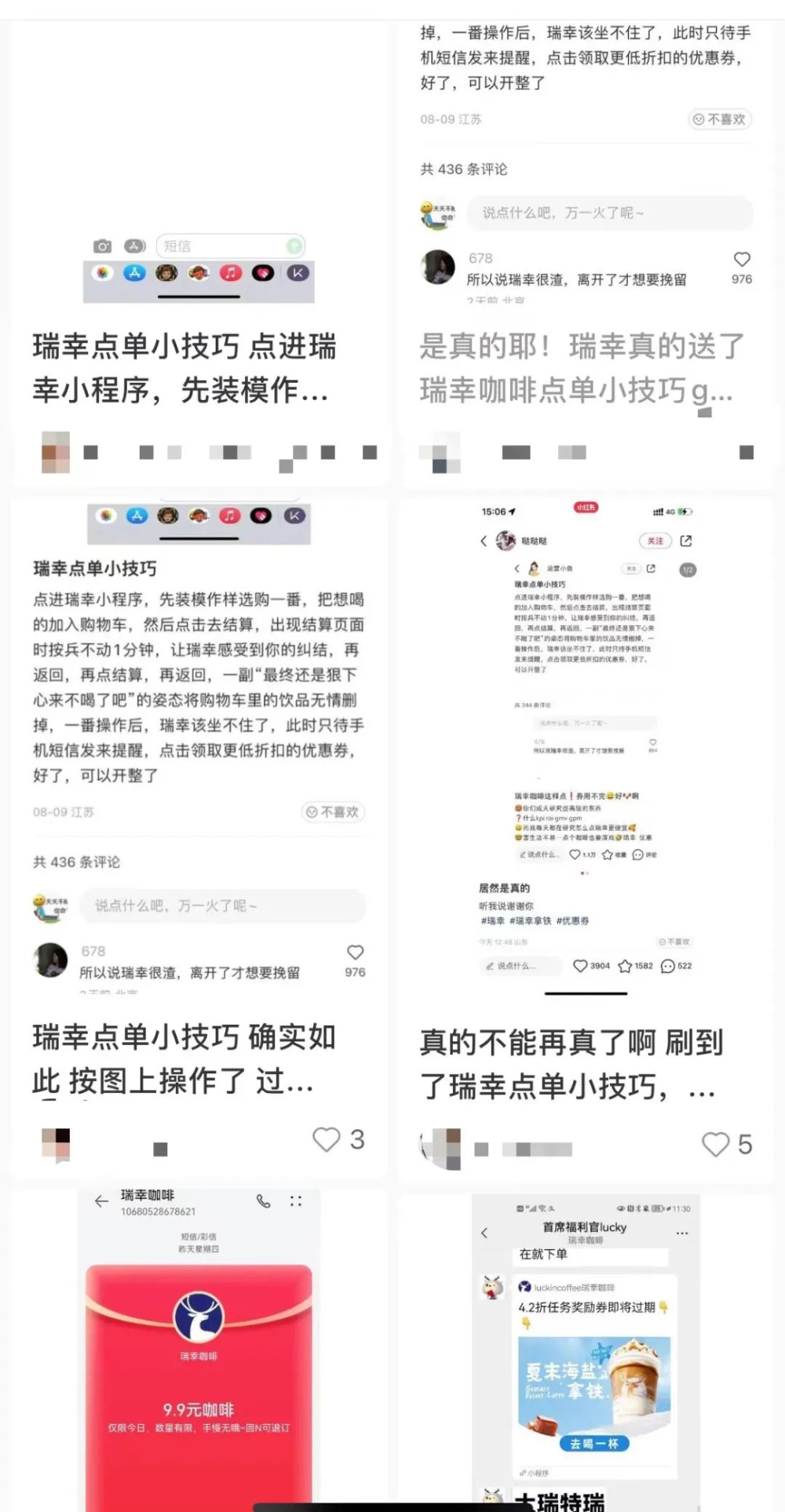
In my own experiment, I also tried a similar process. In the Luckin WeChat mini-program, I deliberately displayed indecisiveness and hesitation. A few minutes later, upon re-logging in, I indeed received a system-pushed 9.9 yuan discount coupon for a specific product—and the push came less than a minute after I abandoned the order.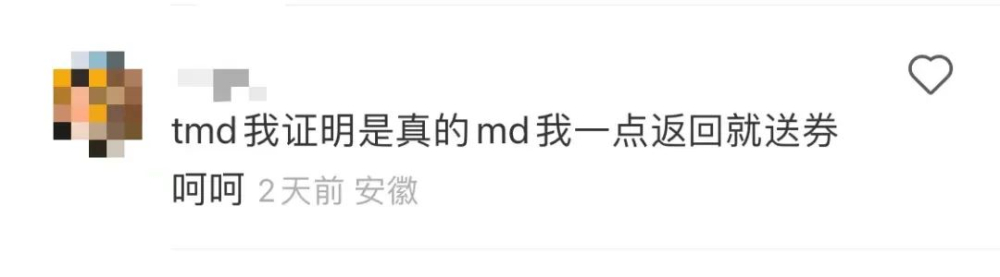
The effectiveness of this “performance” reflects Luckin’s high sensitivity to user behavior data, as well as the possibility of price differences between different stores and users. Without comparing prices, consumers often find it difficult to realize whether they are paying more for the same product.
In response to this phenomenon, some netizens believe that Luckin issuing retention offers just as users are about to exit the shopping process is a common e-commerce user behavior intervention strategy. Especially in low-frequency consumption scenarios, the system may determine whether to provide additional incentives to boost conversion rates based on the user’s current hesitation, combined with historical consumption and interaction data. However, whether one successfully receives subsidies depends not only on short-term “acting” but also closely relates to the individual account’s overall behavioral pattern.
While trying to secure discounts through “acting” may seem clever, consumers should still maintain rationality and honesty. Even if there is flexibility in the platform’s technology, it is not advisable to exploit system loopholes through excessive manipulation. While enjoying coffee, upholding good consumer ethics will help foster a healthier and more sustainable market environment.
The above content is compiled by CoffeeHunters, a coffee news website.


