







Introduction:The opening of two new stores by Chagee in Nanjing triggered a massive queuing craze, with nearby subway entrances temporarily closed, popular drinks selling out within minutes, scalpers reselling at high prices, and even special police deployed to maintain order. Was this queuing frenzy a genuine display of the brand’s charm, or an artificially manufactured spectacle? This article delves into the full sequence of events, examining the phenomena behind the queue economy of internet-famous tea drinks and the potential public order issues involved.
Recently, Chagee opened two new outlets in Nanjing, drawing huge crowds not only prompting the temporary closure of a nearby subway station entrance but also seeing some popular beverages sell out just five minutes after opening. A large number of scalpers took advantage of the situation to resell at inflated prices. Special police were called in to maintain order. The incident quickly went viral online, sparking widespread public discussion.
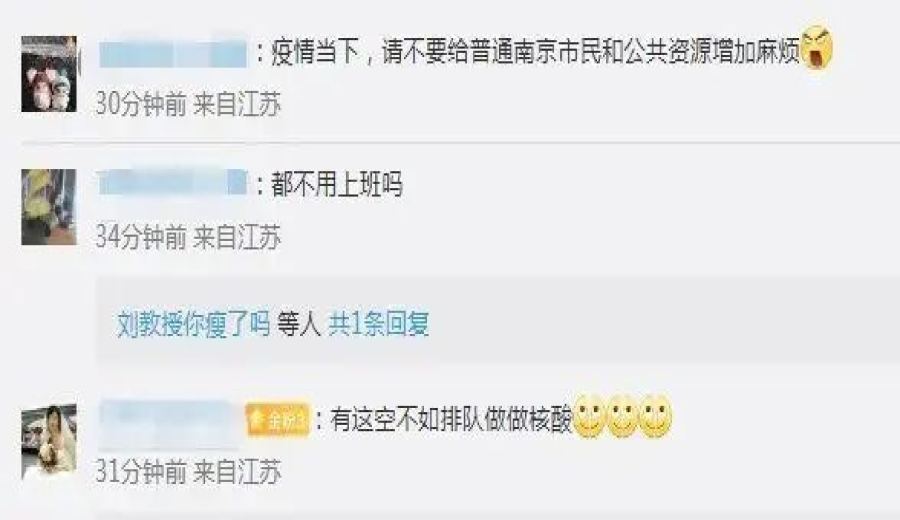
Many netizens questioned whether this wave of queues was the result of the brand hiring people to queue or having purchases boosted by resellers—especially given that the pandemic has not yet fully subsided, and such large gatherings could impact public resources and citizens’ daily lives. People’s Daily Online also pointed out that although milk tea is an everyday beverage, it has been overly “sanctified” under the influence of social media, with absurd instances such as reseller fees reaching as high as 200 RMB, which warrants reflection.
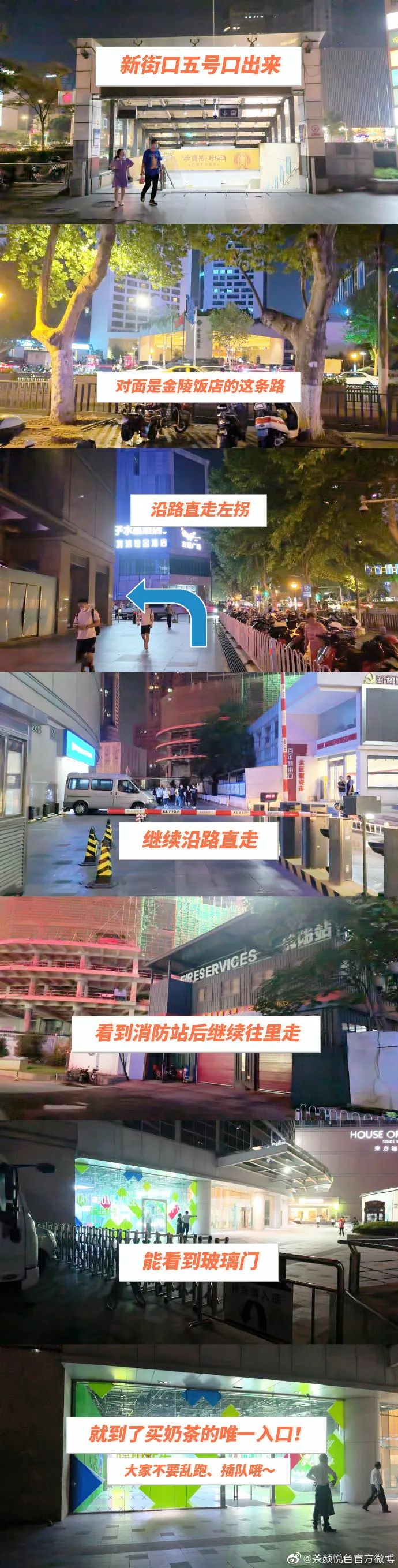
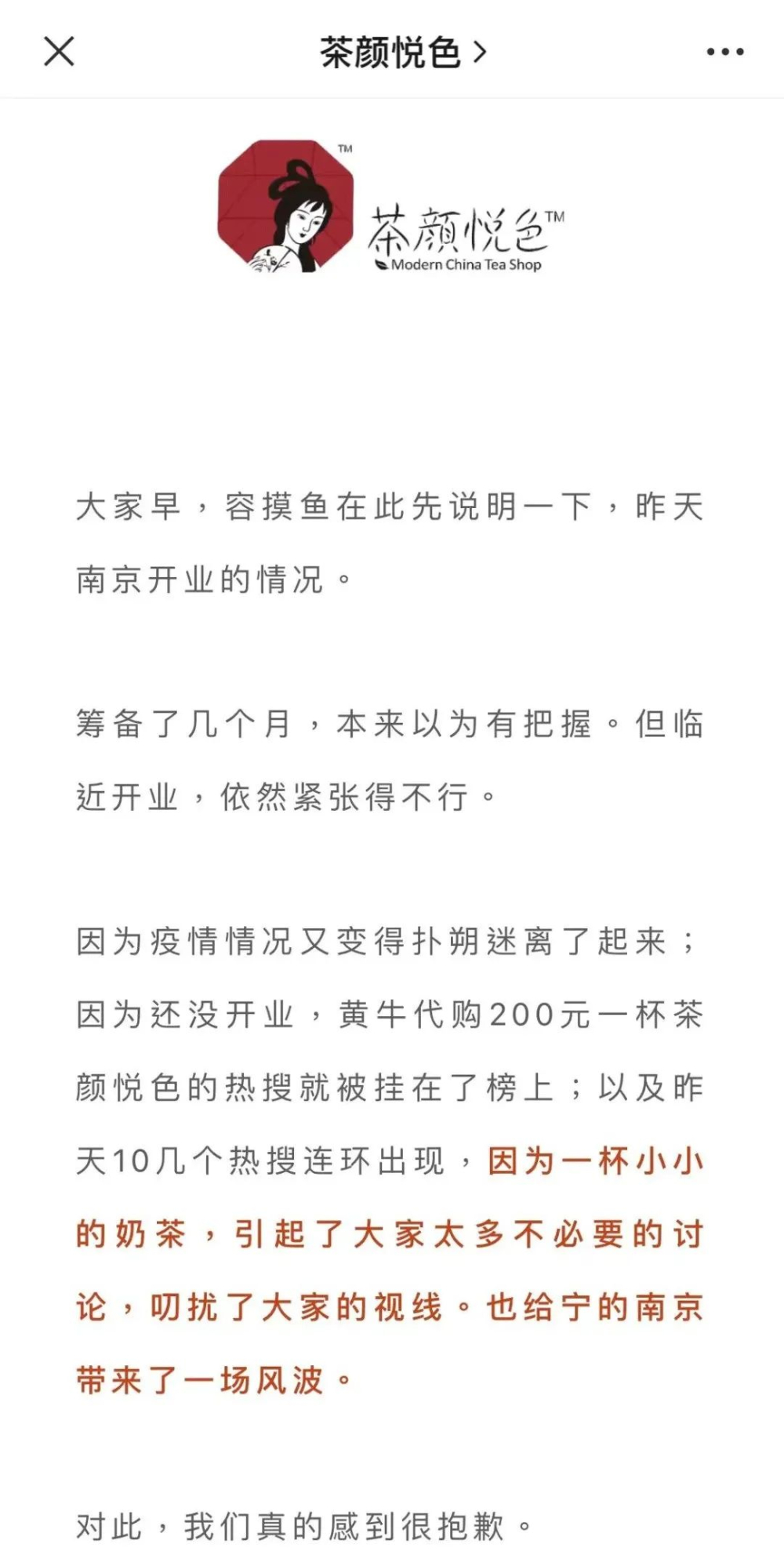
In the face of the controversy, Chagee did not respond immediately on the day of opening, only stating that it would adjust business hours and plan the next day’s queue routes to avoid further congestion at the subway entrance. However,early the next morning, Chagee released a lengthy statement, apologizing to the citizens of Nanjing for the significant public discourse caused by a single cup of milk tea, and announcing that it would implementpurchase restrictions to combat reselling and scalping activities.
In response to public speculation that it had hired people to queue or enlisted resellers to create hype, Chagee responded that while “queuing equals marketing hype” has become somewhat of a stereotype, it is understandable that netizens would make such associations. They did not insist that everyone fully accept their innocence but expressed particular gratitude to various entities including the district government, commerce bureau, public security special police, market regulatory authorities, and mall management for their assistance. They emphasized that this official involvement indirectly lent credence to their “innocence,” as “seeking attention in public is not their style.”
However, less than two hours after Chagee issued its statement, Sina Finance published an investigative article titled “Uncovering Chagee’s Reselling as a Premeditated ‘False Boom.’” The article revealed that investigators found in multiple Nanjing job groups thatas early as August 18 and 19, there were listings for part-time jobs to queue and act as filler customers at milk tea shops, located in Jiangning’s Baijia Lake and Xinjiekou areas, explicitly pointing to the Chagee brand.
The job postings indicated that the roles involved queue-filling for at least three days. The investigation also found video evidence showing that after the two Chagee stores in Nanjing opened at 9 AM, staff announced within just five minutes that all beverages were sold out and production had ceased, while simultaneously guiding customers to scan codes for prepaid top-ups. However, according to a report from the Jiangning Public Security Bureau, as of 11 AM, a large crowd was still gathered at the Jinfeng Mall outlet, and police advised the public not to visit that day.
In response, Sina Finance questioned why Chagee did not promptly halt the queue upon knowing drinks were sold out, but instead encouraged continued top-ups without adequately informing those waiting about the actual situation. The article further pointed out that as a网红 tea drink brand originating from Hunan, Chagee has seen similar queueing and scalper-driven price hikes nearly every time it enters a new city. This raises reasonable suspicion that this wasa pre-planned “false boom”.
It remains inconclusive whether Chagee’s bustling queues were entirely driven by genuine customer enthusiasm or manipulated behind the scenes. But what is certain is that the brand’sclassical Chinese aesthetic and localized cultural expression, combined with years of media exposure and word-of-mouth, have indeed attracted a large number of young consumers. Additionally,the herd effecthas played a significant role—when more and more people claim it is “delicious” or a “must-try,” it encourages even more to follow suit.
However, despite the high popularity, when all beverages sold out, the business failed to effectively manage the scene in a timely manner, even impacting ordinary citizens’ access to public transport, ultimately requiring the intervention of public resources like special police to maintain stability. This in itself reflects shortcomings in the brand’s operational and emergency management capabilities.
Moreover, regarding whetherpurchase restrictions can truly curb reselling and scalping, when Blue Bottle Coffee launched its first Shanghai store, it also imposed purchase limits—but this did not stop the scalper market from remaining active. Instead, it intensified consumers’ desire to chase “scalped goods.” In the current context where the pandemic remains unpredictable, consumers should weigh the costs of time, money, and health more carefully when pursuing网红 products, approach store visits and purchases rationally, and avoid unnecessary risks and burdens brought about by blind following.
The above content is compiled by CoffeeHunters, a coffee news website.


