







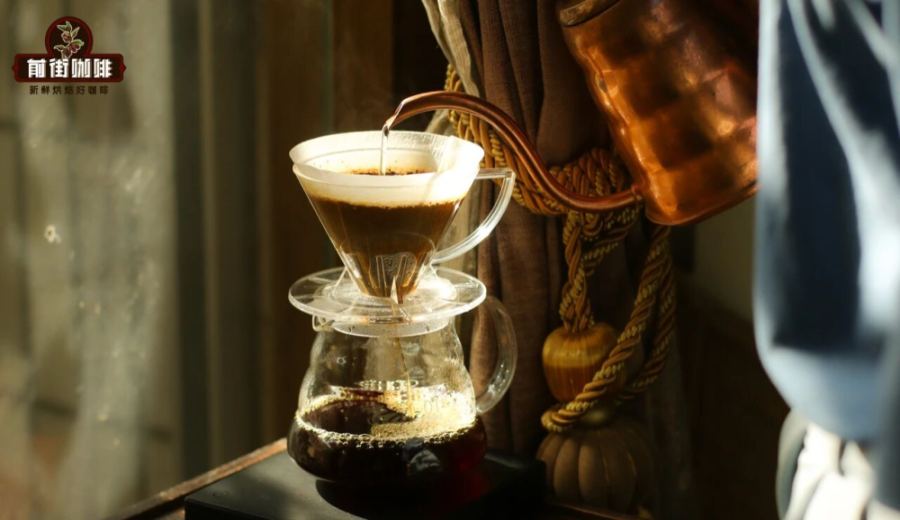
Introduction:The shape of a pour over dripper is one of the key factors that influence flavor and extraction efficiency. This article will take an in-depth look at the structural design, water flow patterns, and extraction characteristics of the Kalita 101 flat-bottom dripper and the Hario V60 cone-shaped dripper. By comparing the flavor profiles of Yirgacheffe and Blue Mountain coffee beans brewed with each, we aim to help you understand which brewing scenarios and bean varieties each is best suited for—ultimately giving you a better grasp of advanced pour over techniques and how to choose the right dripper.
In the world of pour over brewing, the shape of the dripper isn’t just about aesthetic differences—it directly affects extraction efficiency and flavor expression. Although the flat-bottom dripper was once very popular, in today’s specialty coffee shops, cone-shaped drippers (especially the Hario V60) have become the mainstream, almost completely replacing the flat-bottom type. This article will compare the flavor profiles produced by brewing washed Yirgacheffe and Jamaican Blue Mountain coffee using both the Kalita 101 and the Hario V60, analyze their structural designs in detail, and give you a deeper understanding of how your choice of dripper critically influences coffee flavor.
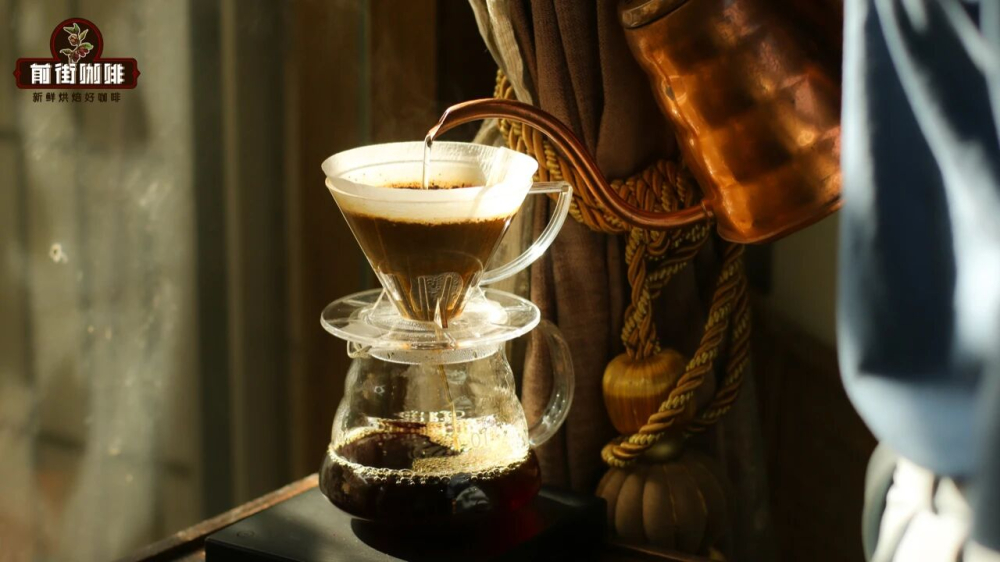 Looking at most coffee shops today—aside from chain brands—very few still stick with flat-bottom drippers for pour over. Instead, cone-shaped drippers, represented by the V60, have taken over. Why the shift? This article will explore the reasons behind this change through real-world examples, examine the advantages of flat-bottom drippers in terms of stable extraction and chain-store applications, and provide coffee enthusiasts with a more comprehensive basis for choosing the right dripper.
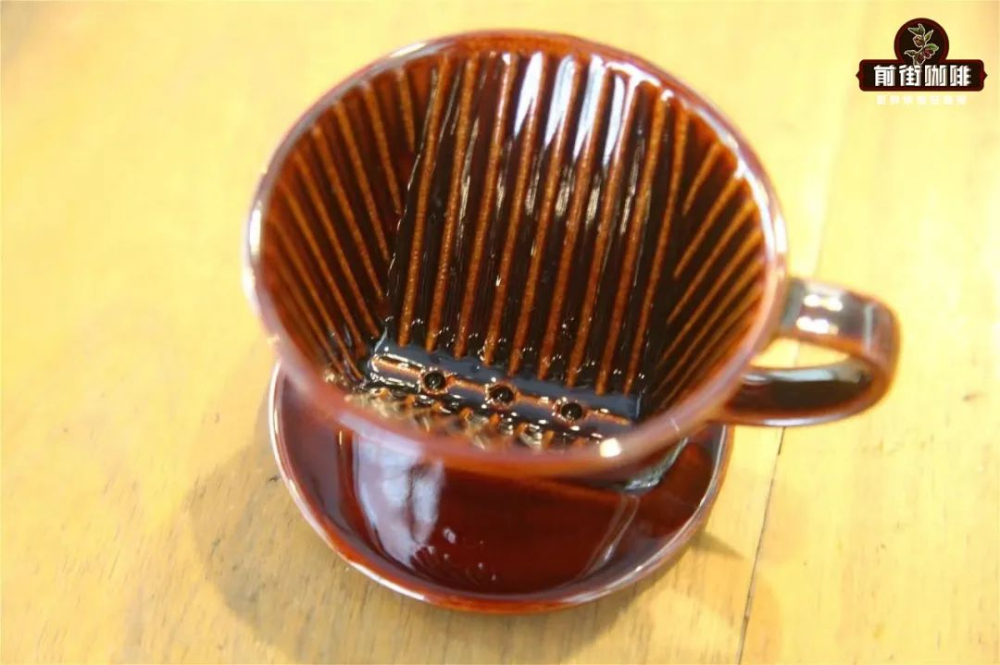
When it comes to the history of drippers, the world’s first dripper was a flat-bottom design introduced early on by Germany’s Melitta. It had an inverted trapezoidal shape that was wider at the top and narrower at the bottom, featuring just a single central hole. At the time, because the accompanying filter paper unfurled into a fan-like shape, it was also referred to as a “fan dripper.” In that era, dominated by espresso, pour over was still a niche home-brewing method. It wasn’t until 1959, when pour over culture emerged in Japan, that Kalita referenced the original flat-bottom dripper and modified it from a single hole to three holes. This change greatly improved drainage efficiency and extraction stability, also establishing the Kalita 101 as the classic representative of flat-bottom drippers. In contrast, the earliest cone-shaped dripper was introduced by Kono in 1968, and the V60, launched by Hario around the year 2000, has since become the most widely recognized cone-shaped dripper today.
To concretely compare the performance of these two drippers, we selected two representative coffee beans: washed Yirgacheffe and Jamaican Blue Mountain. Both beans were brewed using the same coffee-to-water ratio, water temperature, and grind size—only the dripper type was changed—to observe the resulting flavor differences. The actual results showed that Yirgacheffe brewed with the V60 exhibited light floral notes and citrus fruit aromas, with bright acidity, a clean mouthfeel, and distinct layers, finishing with a green-tea-like freshness. Meanwhile, the same beans brewed with the Kalita produced richer fruit sweetness, softer citrus acidity, a pronounced tea-like quality, and an overall fuller, smoother mouthfeel with a more balanced flavor.
 As for Blue Mountain coffee, the V60 brought out a refreshing profile with notes of dark chocolate, nuts, and subtle fruit acidity. The Kalita, on the other hand, showcased more intense nutty and dark chocolate tones, with well-balanced sweet, sour, and bitter notes, a rich yet comfortable mouthfeel. These two comparisons clearly show that the V60, as the representative of cone-shaped drippers, highlights the individuality of the coffee beans and offers clearer flavor lines. The Kalita flat-bottom dripper, in contrast, excels at creating a fuller, richer, and more balanced mouthfeel—making it ideal for drinkers who prefer lower acidity and more robust flavors.
The reason these two drippers produce such distinctly different extraction profiles lies in their structural differences. The V60 features spiral-shaped, alternating long and short ribs paired with a large central hole. This design allows hot water to quickly drain along the rib structure after contacting the coffee grounds. Coupled with its cone shape, it helps create an even water flow distribution during pouring, making it a typical dripper that relies on water flow to flush out flavor compounds. The flat-bottom dripper also has ribs, but they are arranged vertically—primarily helping with degassing during the blooming stage. Its three small holes result in noticeably slower drainage. Additionally, the flat-bottom structure makes even pouring more challenging, but this also reduces the technique required from the brewer. As a result, the coffee grounds spend most of the time in an immersion-style extraction, producing a thicker, fuller, and more integrated flavor profile.
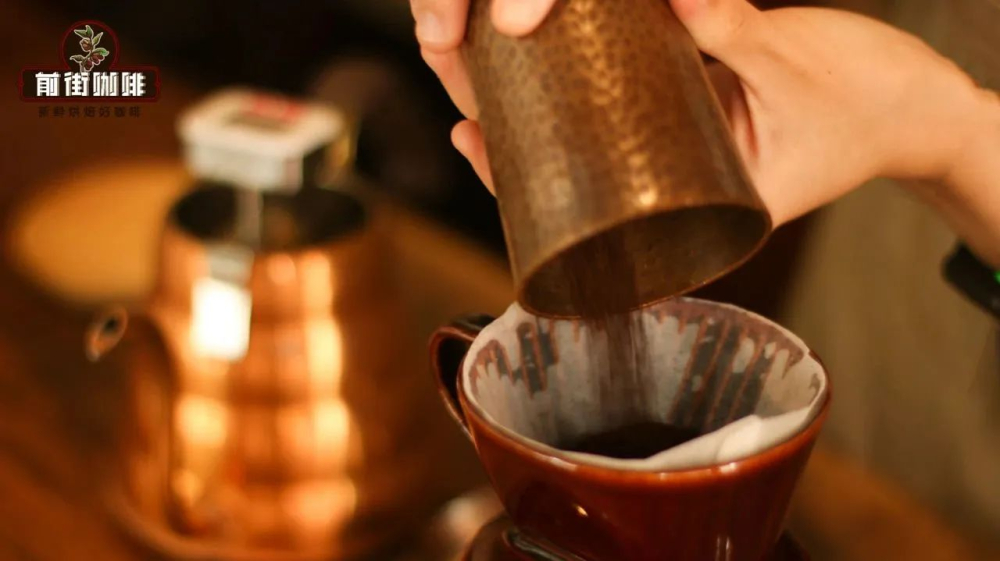
If you prefer coffee with low acidity, a rich mouthfeel, and notes of caramel, nuts, or chocolate, you might want to try medium-to-dark roasted beans such as PWN Golden Mandheling, Queen’s Estate, Brazilian Cerrado, or Blue Mountain No. 1. These bean varieties, when extracted using a flat-bottom dripper, often showcase a more pronounced balance of sweetness and bitterness.
Returning to the phenomenon mentioned earlier: why are flat-bottom drippers becoming less common? This actually reflects a shift in market trends. With the rise of light roasts, consumers are placing greater emphasis on clarity and layered flavors in their coffee. The V60, with its ability to highlight the individuality of the beans and bring out bright acidity, rapidly gained popularity around the year 2000, becoming the new favorite. This was further boosted by the boom in community-focused coffee shops at the time, significantly increasing the visibility and usage of the V60—causing other dripper shapes, including the flat-bottom type, to gradually fade from the mainstream.
However, flat-bottom drippers haven’t disappeared entirely—they still hold a place in many chain coffee shops. Their key advantage lies in high stability: due to the slow water flow, they rely mainly on immersion brewing and are less affected by pouring technique. As long as factors like coffee dosage, grind size, water temperature, coffee-to-water ratio, and brew time are well controlled, even baristas with varying levels of experience can achieve consistent and stable results. Therefore, for chain environments that prioritize ease of operation and consistent output, flat-bottom drippers remain a practical and reliable choice.
The above content is compiled by CoffeeHunters, a coffee news website.


