







Introduction:Nowadays, when choosing a coffee shop, consumers often refer to online reviews or café exploration videos. But when it becomes difficult to distinguish between “fake positive reviews” and “genuine negative ones,” and when café exploration content is increasingly commercialized, how can we assess the credibility of such information? This article will take you through the potential manipulation behind online negative reviews, examples of misconduct by café explorers, and the impact of rating systems on the coffee industry, helping you make more informed consumer decisions.
Before visiting a coffee shop you’ve never been to, many people habitually search for online reviews or watch café exploration videos. However, when “positive reviews may be fabricated and negative ones may have hidden motives” becomes the norm, what should originally serve as consumer references may instead turn into tools for personal gain.
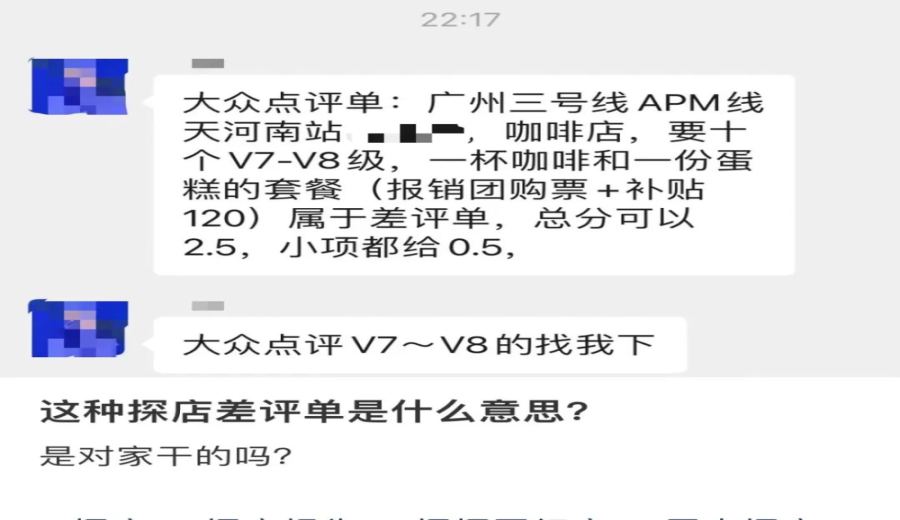
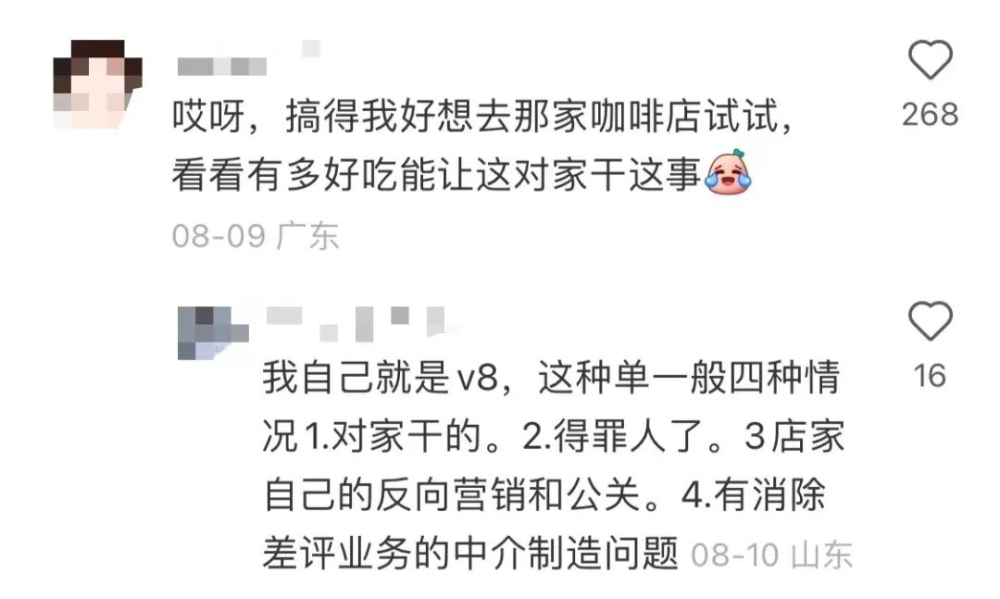
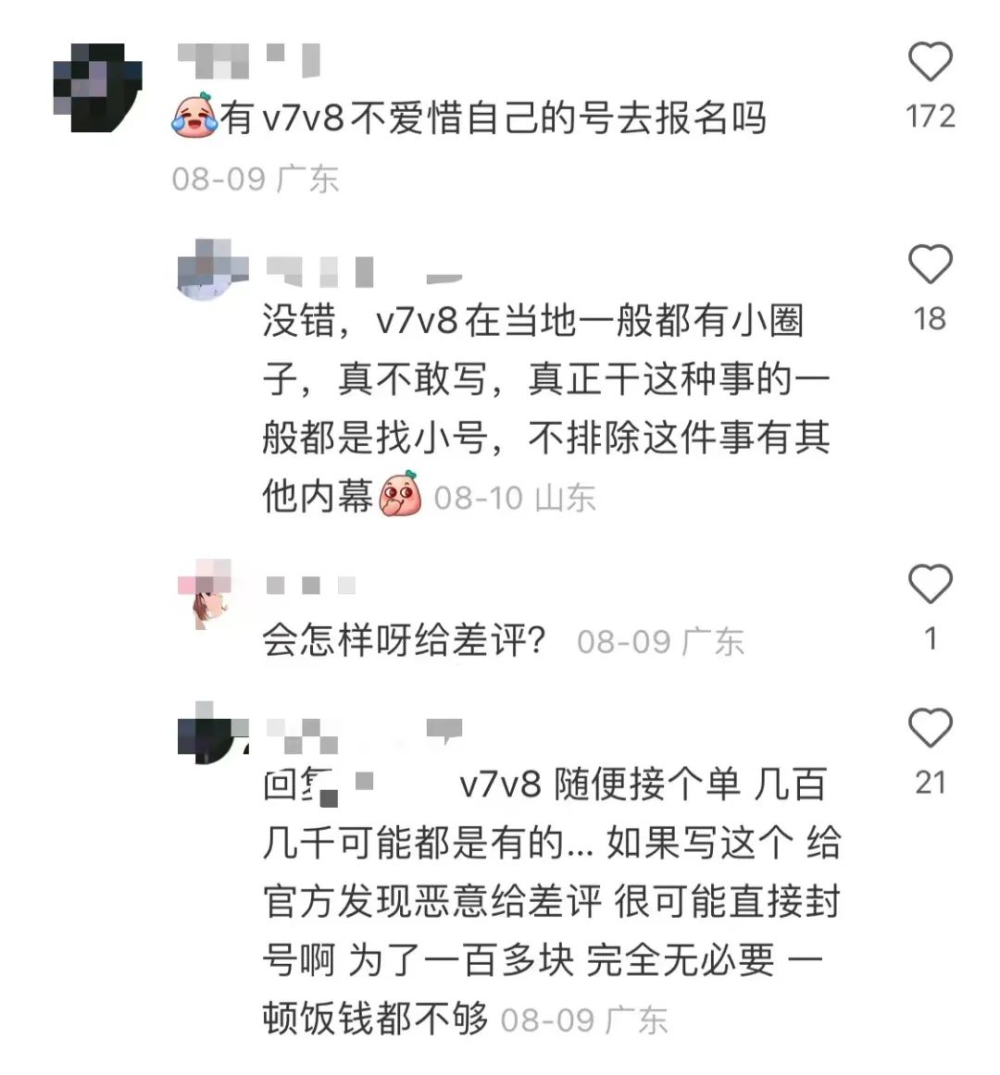
On social platforms like Xiaohongshu, netizens have publicly shared screenshots of conversations where someone was hired on a certain platform to leave negative comments about a coffee shop. These comments were not only deliberately harsh but also came with specific requirements regarding the commenter’s account level and scoring habits. According to netizens’ summaries, the reasons behind such operations can generally be divided into four categories: competition among peers, personal grudges, self-promotion, or even collusion between business owners and intermediaries to create buzz.

Once flagged by the platform as malicious reviews, the involved accounts may face suspension or even permanent bans. However, this risk has not deterred some individuals from continuing such practices, instead making the entire café exploration and review ecosystem even more complicated.
With the rise of the influencer economy, more and more self-media creators have entered the “café exploration” field, sharing their experiences through videos or articles about restaurant environments, food, and service. Yet, some creators, in pursuit of traffic or personal profit, cross ethical lines, sparking numerous controversies.
For instance, in August 2021, a man claiming to have 6 million followers demanded to dine at a coffee shop without paying, to which the staff responded on the spot: “Does being a Douyin café explorer mean you don’t have to pay?”; in May 2022, a café explorer arranged to try a “three-person set meal” but brought along eight friends, refused to pay the extra cost, and got into a conflict with the shop owner; in July 2022, a local creator in Jiangsu tried to dine and dash, was stopped by the shop owner, paid the bill the next day, but then publicly posted a negative video.
The original intent of “café exploration” was for consumers to share genuine experiences—through photos, text, or videos—after actually visiting a shop, to serve as a reference for other customers. However, as viewership increased, such content gradually became a key factor for potential customers to either “get excited about” or “avoid” a place, giving rise to commercial value in the practice.
It is understood that café explorers with millions of followers typically charge at least tens of thousands of yuan per collaboration; those with hundreds of thousands of followers may quote in the four-digit range; and for creators with over ten thousand followers, a single collaboration might earn them a few hundred yuan.
Yet, the café exploration industry still lacks clear professional standards, leading to endless misconduct. For example, a well-known UP main once mentioned in a video that some restaurateurs privately shared their views on café exploration reviews, revealing many instances of exaggerated or biased descriptions.
In November 2021, a food blogger with millions of followers visited the same fast-food chain twice to order the same bowl of zhajiangmian (noodles with soybean paste), yet expressed completely different attitudes in the videos, raising questions among netizens about the authenticity of the reviews.
Online ratings and reviews have gradually become a key reference for many when choosing restaurants or coffee shops. But precisely because of this, when manipulated, consumers can easily be misled. Some creators, in order to maintain relationships with businesses or to gain more traffic, resort to false advertising or even leave unjustified negative reviews after receiving discounts.
Regarding issues such as malicious negative reviews and dine-and-dash behavior in the café exploration industry, legal experts point out that shop owners have the right to refuse unreasonable demands and may report to relevant internet regulatory authorities. If reviews or videos involve defamation or damage to reputation, shop owners can also file lawsuits for compensation according to the law.
For coffee shop operators and consumers alike, understanding the underlying logic behind these practices is far more meaningful than simply debating the truth of a single review. Short-term fake traffic may bring temporary gains, but in the long run, only honesty and authenticity can truly earn customers' trust and support.
The above content is compiled by CoffeeHunters, a coffee news website.


