







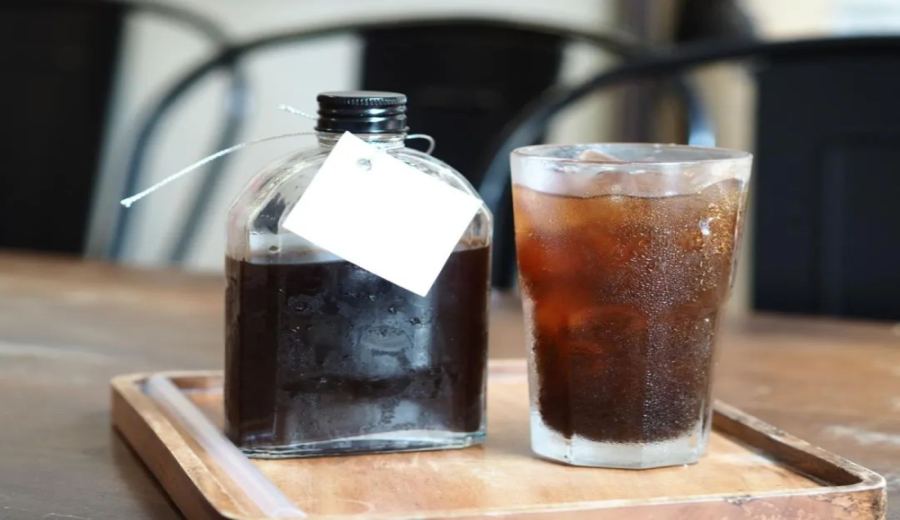
Introduction:Tired of waiting 12 hours for cold brew coffee? A breakthrough study from the University of Duisburg-Essen in Germany has leveraged pulsed laser technology to prepare cold drip coffee in just 3 minutes. This innovation not only drastically reduces brewing time but also delivers unique profiles in acidity and caffeine content. This article delves into its principles, experimental data, and potential future applications, showing how technology is transforming the coffee experience.
On a hot summer day, a cool and smooth cold brew coffee can be incredibly refreshing, but the traditional cold steeping method often requires a wait of over 12 hours, which can be a deterrent. Recently, a chemistry research team from the University of Duisburg-Essen in Germany published groundbreaking research: by using pulsed laser technology to irradiate a mixture of coffee grounds and water, extraction can be completed in just 3 minutes, significantly shortening the brewing process.
The researchers explained that the key to this technology lies in using precisely controlled laser pulses to stimulate the release of flavor compounds from the coffee grounds, while avoiding high temperatures that could compromise the delicate taste of the coffee. Notably, the temperature of the coffee liquid rises by only about 5°C throughout the entire process, barely affecting the refreshing characteristics unique to cold brew.
Traditional cold brew requires such long steeping times because flavor compounds are released much more slowly in low-temperature environments. The research team compared the results of 3-minute laser extraction with samples of 24-hour traditional cold brew and hot water brewing, and found:The acidity profile is almost identical to that of 24-hour cold brew,and significantly lower than that of hot water extraction;the caffeine content is also lower than that of traditional cold brew coffee,making it more appealing to consumers seeking a lower-stimulation taste.
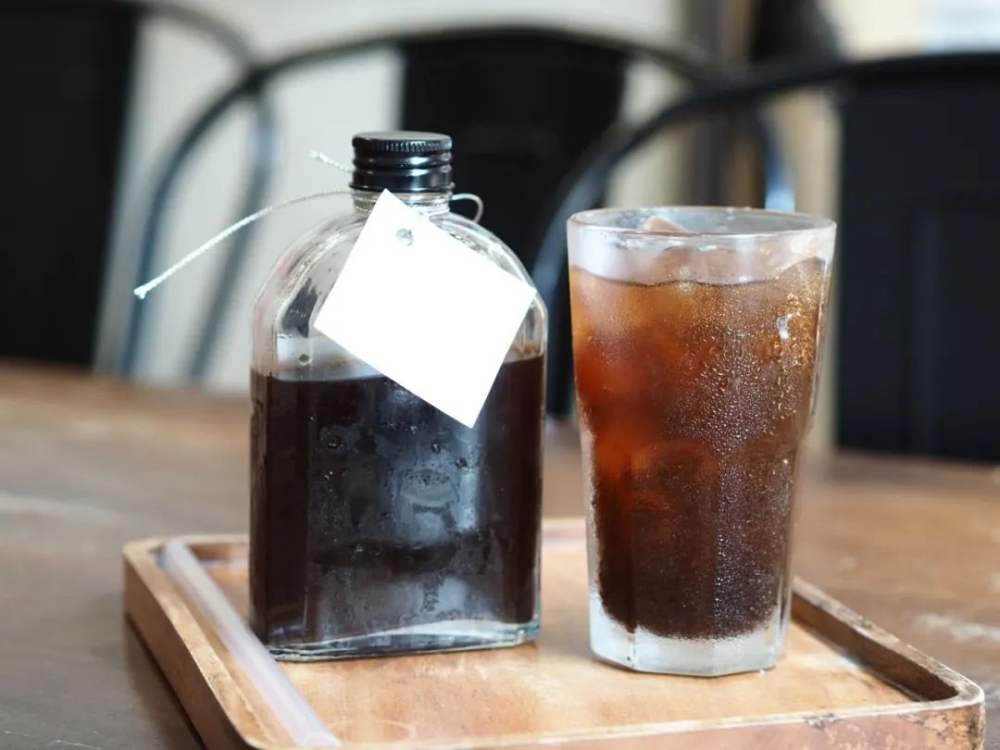
From a scientific perspective, water temperature greatly influences coffee flavor. High temperatures tend to release bitter, high-molecular-weight compounds, while lower temperatures are more conducive to extracting milder flavors such as nuts and caramel. This is why cold brew is generally considered smoother and less acidic. The new technology, through precise laser control, successfully achieves effects similar to long-term low-temperature extraction in a short amount of time.
Experimental data shows that during the laser extraction process, the system applies light pulses of specific frequency and intensity to the surface of the coffee grounds, promoting molecular vibration and diffusion. This non-heating method not only retains the inherent advantages of cold brew but also breaks through the issue of time cost. The researchers emphasized that although the technology is still in the laboratory stage, it has demonstrated potential for commercial application.
If successfully commercialized in the future, consumers might witness baristas using laser equipment in cafés to produce a cup of cold brew with balanced sweetness and acidity, and full flavor, in just a few minutes. This innovation not only rewrites the traditional method of making cold brew but also opens up entirely new possibilities for coffee technology.
The above content is compiled by CoffeeHunters, a coffee news website.


