







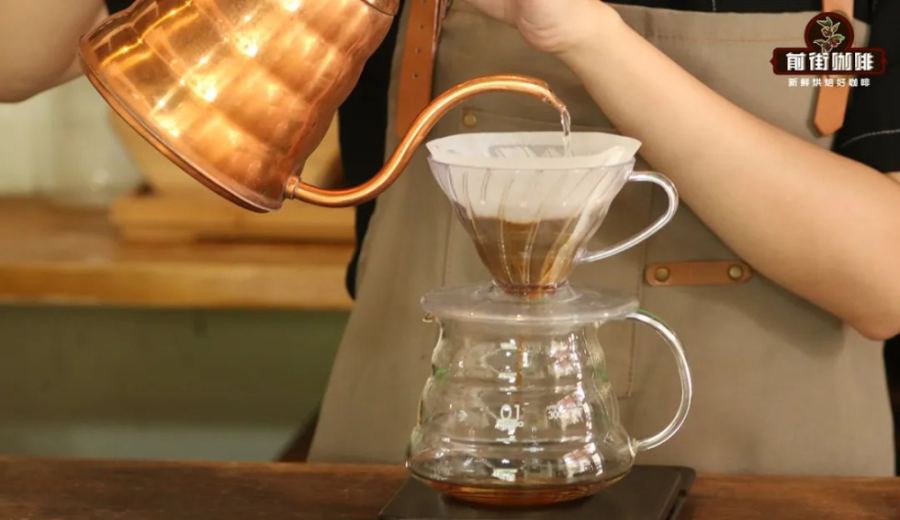
Introduction:Have you ever encountered the same beans and the same parameters, yet ended up with completely different-tasting pour over coffee? In fact, by mastering key details, you can significantly improve extraction stability. This article takes an in-depth look at four core steps—strictly following brewing parameters, properly preheating the filter cone and server, thoroughly cleaning the grinder, and patiently waiting for the dripping to finish—and guides you step-by-step to reduce variable interference and brew high-quality coffee with consistent flavors.
The charm of pour over coffee lies in its rich and layered flavor profile, but many coffee enthusiasts often face a common issue: why does the taste vary so much each time, even when using the same coffee beans and brewing parameters? While it’s nearly impossible to replicate two cups of coffee exactly the same, by precisely controlling every detail, you can make two cups almost indistinguishable in sensory experience. This article will focus on four key factors that affect stability—strictly adhering to brewing parameters, properly preheating the filter cone and server, cleaning grinder residues, and fully waiting for the dripping process to complete—to help you effectively reduce instability during brewing and improve the overall quality of your pour over coffee.
First, ask yourself: is it really possible to brew two cups of pour over coffee with exactly the same flavor? Most people would say no, and some coffee lovers even describe each brew as opening a blind box, unable to predict the flavor direction before taking a sip. Even with the same coffee beans and identical brewing parameters, achieving completely consistent flavors is extremely challenging due to the many uncontrollable variables involved.
Although achieving 100% flavor replication is highly difficult, minimizing variable interference during brewing to the point where two cups are nearly indistinguishable on a sensory level is definitely achievable through technique. Therefore, the following commonly overlooked details are the key to improving stability.
1. Strictly Following Brewing Parameters
Before each brew, it’s crucial to establish a clear brewing plan. For example, for a Yirgacheffe bean, a common setup might be: 15 grams of coffee grounds,a brew ratio of 1:15,grind size with 80% passing through a 20-mesh sieve,water temperature at 91 degrees Celsius, using a three-stage pouring method—first pouring 30 ml for blooming, followed by 100 ml, and then 95 ml. Once the plan is set, these parameters must be strictly followed during the actual brew. If the coffee amount becomes 14.7 grams, the blooming pour increases to 40 ml, or the total water volume accidentally reaches 230 ml, the final cup of coffee may differ greatly from the original plan, losing the meaning of the plan and introducing more instability.
2. Preheating the Filter Cone and Server
The brewing water temperature we often refer to usually means the temperature at the start of pouring, not the actual temperature at which the coffee grounds are extracted. What truly affects coffee flavor is the stable temperature throughout the entire extraction process. Therefore, it’s very important to minimize the gap between the extraction temperature and the initial water temperature.
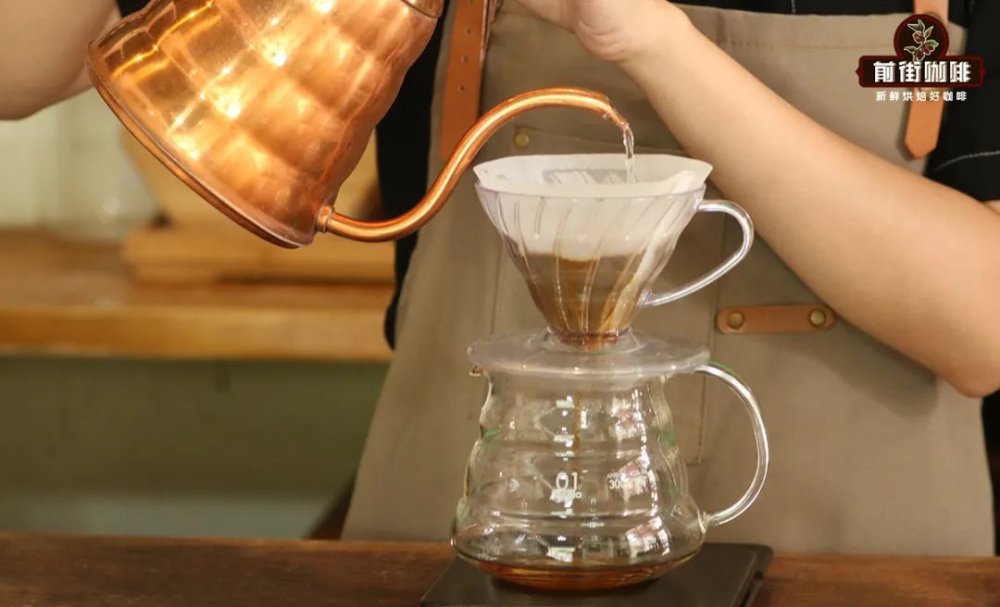
This is especially true when using ceramic filter cones. Although ceramic material itself has good heat retention properties, this is only if the filter cone is already fully preheated. If the filter cone is at room temperature, the temperature of the coffee grounds layer may actually be higher than that of the filter cone when pouring starts, causing heat to be absorbed by the filter cone and thus lowering the actual extraction temperature. To avoid this instability, it’s recommended to rinse the filter cone multiple times with hot water before brewing to ensure it reaches a sufficiently high temperature.
3. Cleaning Grinder Residues
Whether using a hand grinder or an electric grinder, after grinding coffee beans, some fine coffee powder inevitably remains on the burrs and in the chute. If you don’t use it frequently, these residual grounds can oxidize and produce off-flavors; if not cleaned before grinding the next batch, the spoiled residue may mix into the fresh grounds. For frequent users, not cleaning can lead to flavor cross-contamination between different beans, also known as “flavor carryover.”
For hand grinder users, it’s recommended to gently sweep away residual powder from the burrs and chute with a brush after each grind. Electric grinders, due to their more complex structure, are relatively more difficult to clean, and you can use a blow ball to remove the residue. A further suggestion is: before grinding the target beans, first grind a few beans of the same type to flush out any previously residual coffee powder, then start the official grind.
4. Waiting for Coffee to Fully Drip Through
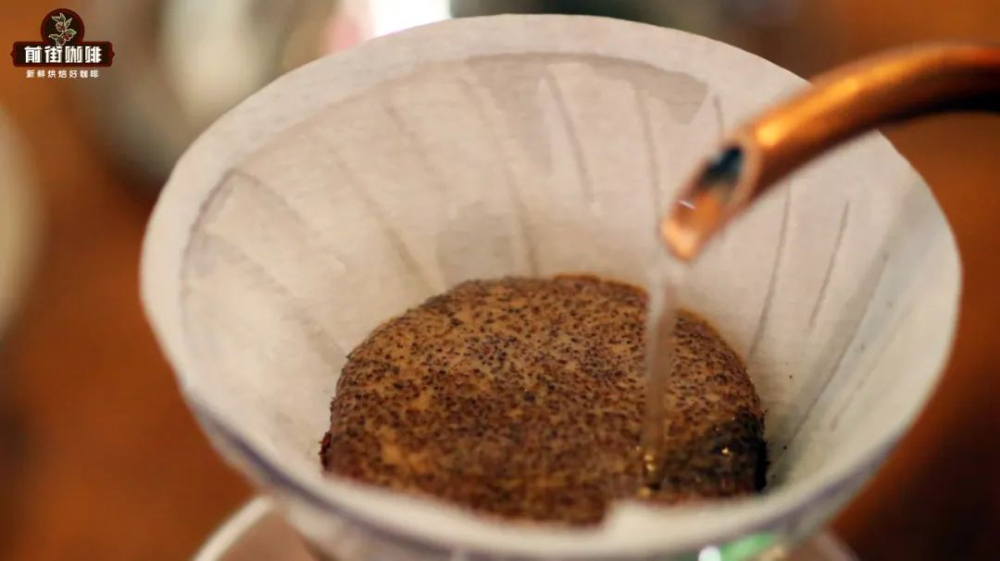
Some coffee enthusiasts have the habit of removing the filter cone before all the coffee liquid has completely dripped through, which actually introduces instability. Because you can’t accurately know how much coffee liquid is still left inside the filter cone, which disrupts the originally set brew ratio.
For example, if you’re brewing with a1:15 brew ratio, 15 grams of coffee grounds theoretically require 225 ml of water. But not all of this water goes directly into the server—it must fully pass through the coffee grounds layer and naturally drip through. If part of the coffee liquid is intercepted prematurely, the actual brew ratio will deviate from the set value, which is essentially self-deception. Only when all 225 ml of water has completely passed through the coffee grounds layer and all the coffee liquid has dripped into the server can you be sure that this cup of coffee has truly been brewed according to a 1:15 brew ratio.
In addition to the key details above, there are many other factors that can affect the final flavor of your coffee. But by focusing on these critical steps, you can largely reduce those major sources of instability that impact flavor, making your pour over coffee experience more stable and satisfying.
The above content is compiled by CoffeeHunters, a coffee news website.


