







Introduction:Amid the ever-growing global demand for specialty coffee, how can new brands stand out among countless options? Beyond high-quality beans and roasting craftsmanship, packaging design is the foremost gateway to capturing consumer attention. This article delves into the selection of packaging materials, the market trends behind evolving design styles, and explores how brand authenticity and sustainability ideals help emerging brands build long-term trust and loyalty.
As the specialty coffee consumption trend sweeps the globe—especially in emerging markets like China and India—consumers’ expectations for coffee quality are rising steadily. Within this trend, more and more consumers are choosing to buy freshly roasted coffee beans online, intensifying competition in the digital marketplace. However, when shelves are crowded with products labeled as “freshly roasted,” it’s often difficult for shoppers to judge actual quality through images alone. In such cases,packaging design becomes a key factor influencing purchasing decisions.。
Although many brands emphasize the superior quality of their coffee, in reality, up to95%of consumers are unable to determine the flavor and freshness of coffee beans solely based on images. As a result, packaging design often becomes their primary basis for product selection. For new brands, the critical first step in entering the market lies in visually capturing attention, conveying brand values, while also ensuring practical functionality.
Before designing coffee bean packaging, the functionality of the packaging material must be considered first. For modern consumers who prioritize freshness and aroma, the barrier properties of the packaging are especially crucial. Currently, the most common types of coffee packaging on the market fall into two categories: one is a composite material made from biaxially oriented polypropylene (BOPP), polyester resin (PET), and polyethylene (PE), suitable for pre-ground coffee powder; the other combines uniaxially oriented polypropylene film (MOPP), kraft paper, polyester metallized aluminum film (VMPET), and polyethylene (PE), which is better suited for preserving whole beans. It effectively blocks light and oxygen, helping delay the loss of flavor.
Regardless of the material chosen,packaging for freshly roasted coffee beans should always use bags equipped with a one-way degassing valve.This is because coffee beans continue to release carbon dioxide after roasting. Without a venting valve, the pressure inside the package can become too high—not only affecting the appearance but also potentially compromising the seal. However, if selling pre-ground coffee powder, due to the significantly increased surface area after grinding, carbon dioxide and aromatic compounds volatilize more quickly. Therefore, it is recommended to use packaging without a degassing valve or to properly seal the vent holes to maintain optimal flavor.
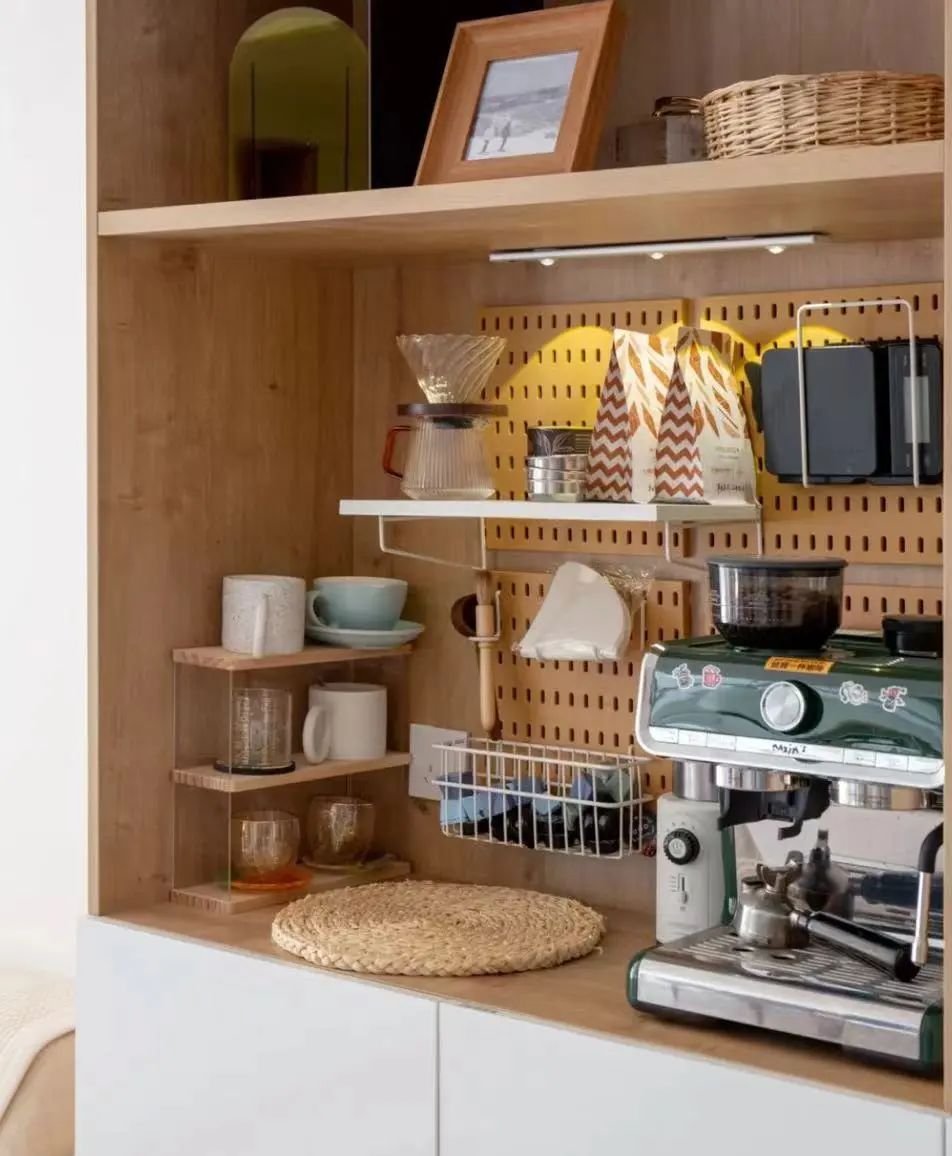
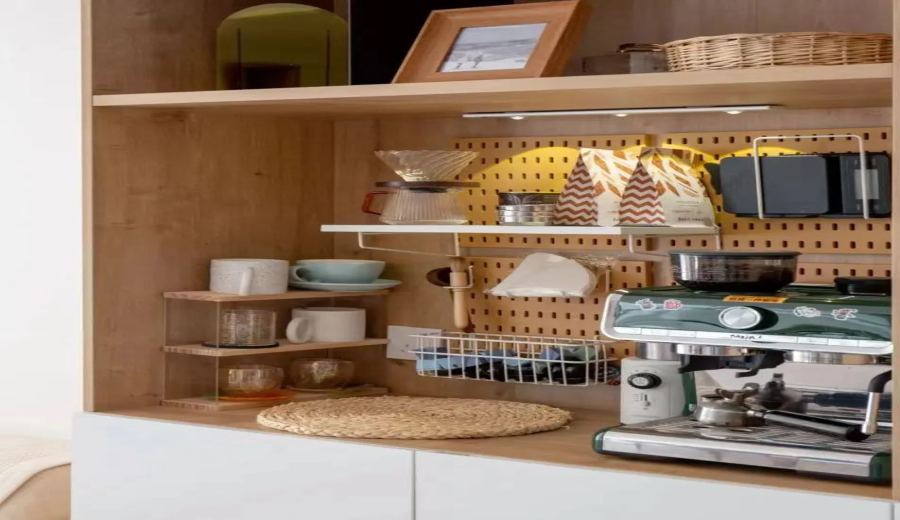
In recent years, coffee packaging styles once leaned toward being elaborate and personalized, featuring unconventional shapes, bright color schemes, and bold typography to catch the eye. However, in the past two years, the market trend has clearly shifted backtoward minimalism, placing greater emphasis on practicality and sustainability. According to research from the Islamic Azad University, consumers are now more concerned with the informational content on packaging rather than being swayed to purchase by visual design alone. With the growing popularity of specialty coffee culture, there is an increasing demand for information such as origin flavors, processing methods, and roast levels. As a result, more and more brands are opting for rustic kraft paper materials that convey a sense of handcrafted sincerity.
Additionally, modern consumers value efficiency in purchasing and ease of decision-making. Therefore, packaging design no longer relies excessively on complex patterns and color combinations. Instead, it conveys key information about the coffee beans—such as origin, processing method, flavor notes, and roast date—through simple color schemes and clear text. Research shows that overly flashy packaging may actually lead consumers to doubt product quality. Moreover, when essential information is not clear, consumers must exert more effort to understand the product, which can negatively impact their willingness to purchase.
In the specialty coffee market, brands that rely solely on packaging design to attract consumers will find it difficult to build long-term loyalty. What truly retains customers is the brand’sauthenticity and sustainable philosophy. Consumers are increasingly inclined to support brands that are willing to openly share stories about coffee farmers, emphasize ethical sourcing, and commit to environmental protection. For instance, a Japanese market survey indicates that consumers aged 18 to 30 are more willing to pay higher prices for products with sustainable values. This means that if a brand cannot offer transparent origin information and sustainability commitments—even the most attractive packaging will struggle to secure long-term support.
Brand authenticity can be divided into four dimensions: consistency, credibility, integrity, and symbolism. Consumers expect brands to consistently demonstrate their commitment to society, the environment, and ethics, rather than relying solely on polished packaging language. In the specialty coffee market, where differences in origin, processing methods, and roast profiles are gradually narrowing,brand stories and values have become important criteria for consumer choice.Through sincere communication, brands can establish emotional connections with consumers, enhancing trust and loyalty.
In summary, in the highly competitive specialty coffee market, while packaging design is certainly an important tool for attracting new customers, in the long run, a brand’s sustainable practices, transparency of information, and consistent quality commitments are the cornerstones of building brand value and customer relationships. Only by balancing visual appeal with intrinsic value can new brands grow steadily in the market and earn lasting customer support.
The above content is compiled by CoffeeHunters, a coffee news website.


