







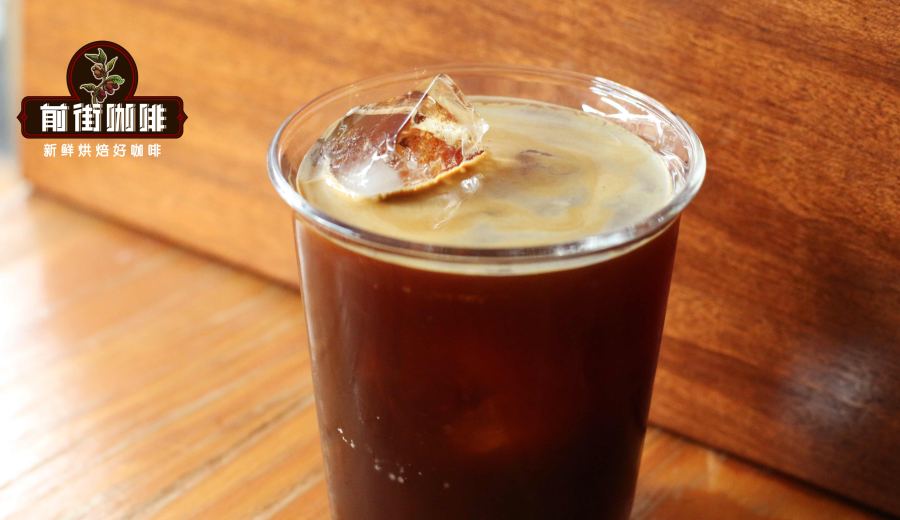
Introduction:When you order an Americano or a latte at a café, have you ever been recommended to upgrade to using SOE coffee beans? This "single origin espresso" bean is often 3 to 10 yuan more expensive than regular blends, but what exactly is the difference between SOE, single origin, and blend beans? This article delves into the origins of SOE, its historical evolution compared to blends, explains why SOE is often seen as an advanced choice in espresso, and helps you understand the ingredients and flavor considerations behind the higher price—empowering you to make smarter coffee choices.
Walk into a coffee shop, order your usual Americano, and the barista might kindly ask: “Would you like to try our SOE coffee beans?” You might be puzzled—what’s SOE? And why the extra charge? This actually relates to the logic behind coffee bean selection and the goals of extraction. This article will comprehensively clarify the differences between SOE, single origin, and blend beans, and explain why some cafés charge a premium for SOE beans.
SOE is actually the abbreviation for "Single Origin Espresso",which literally translates to "single origin espresso beans".
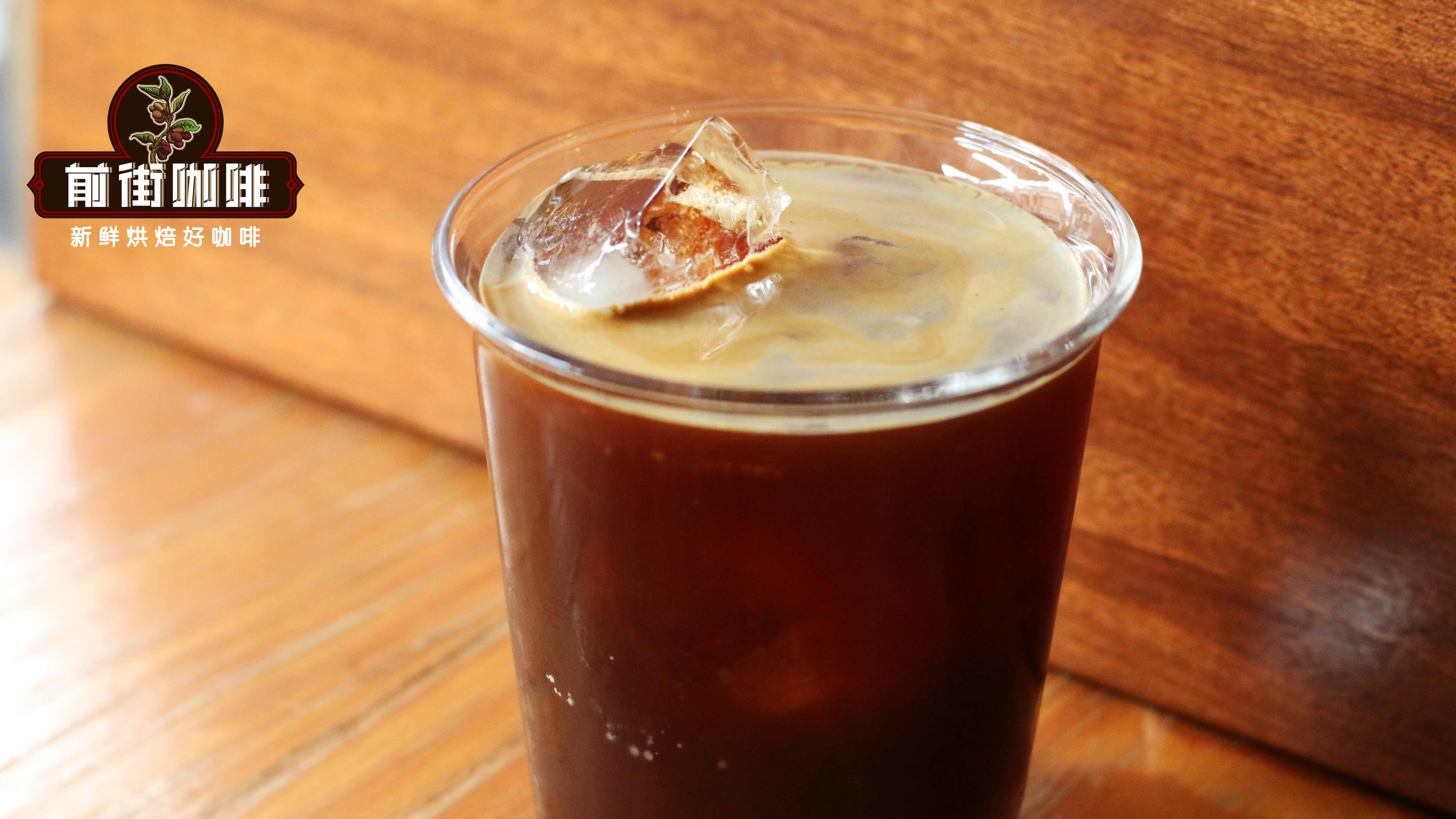
This type of coffee bean typically comes from a single origin or region, rather than being blended from beans sourced from multiple regions like traditional blends. The concept of SOE isn’t entirely new—in fact, it predates the modern idea of blends. It's just that in earlier times, the emphasis on “single origin” wasn’t particularly highlighted because coffee was generally used from single origins to begin with.
However, in reality,SOE does not inherently represent absolute high quality,nor is it necessarily better tasting than blends. It simply represents the choice of using single origin beans to make espresso. The real reason it tends to be priced higher is that most beans marketed as SOE come from small regions with distinctive flavor profiles—such as certain micro-regions in Ethiopia. These beans often exhibit popular flavor characteristics like pronounced citrus or floral notes, and they’re usually roasted lighter to highlight their inherent flavors.
To understand why choosing SOE often comes with a higher price tag, we first need to look at the cost of the ingredients behind it.SOE coffee beans are typically selected from single origin beans that have outstanding flavor profiles but are either limited in production or processed in special ways.The sourcing cost of these beans is inherently higher than that of common commercial blends. Moreover, to showcase the unique character of the single origin, roasters often adopt more refined roasting strategies—such as medium-light roasts to preserve acidity and fruitiness—rather than the dark roasts commonly used in traditional blends to achieve stability and a balanced bitter-sweet profile.
Looking back at history, the birth of blended coffee was actually a product of market demand. In early coffee-consuming countries like Europe, due to the unstable yields and qualities of beans from various regions, roasters began blending beans from different origins to ensure consistent flavor in espresso. This way, even if the harvest in a certain region was poor due to climate factors, the overall flavor could still be maintained by adjusting the proportions from other regions. This is also why early Italian-style blends mostly used beans from major-producing regions like Brazil, Vietnam, and Indonesia, and were typically dark roasted—to ensure a “balanced, bold, and milk-friendly” flavor profile.
Nowadays, as consumer tastes become more diverse, more and more cafés are offering SOE options to cater to customers who want to explore different layers of flavor. However,choosing between SOE or blends is not about absolute good or bad—it depends on the kind of flavors you want to experience and what your expectations for the coffee are.For example, if you prefer a latte with a rich body and well-integrated milk foam, a dark roast blend may be the more practical choice; but if you want to enjoy brighter acidity, clearer fruitiness, or floral notes, then choosing an SOE has a better chance of meeting those goals.
It’s worth noting that there are now some coffee beans on the market that are merely labeled as “SOE” without truly showcasing the distinct characteristics of a single origin in terms of flavor. Therefore, as a consumer, when making a choice, it’s a good idea to ask the barista about the origin, processing method, and roast level of the SOE in question—so you can better judge whether it suits your taste preferences.
In summary, although both SOE and single origin beans emphasize the characteristics of a single origin, SOE is more focused on performance in espresso extraction, whereas single origin beans are widely used in various brewing methods such as pour over and siphon. Blends, on the other hand, were created for flavor stability and large-scale commercial needs, and remain the backbone of many cafés to this day. No matter which you choose, understanding their differences and the reasoning behind them is the key to truly appreciating the diverse charm of coffee.
The above content is compiled by CoffeeHunters, a coffee news website.


