







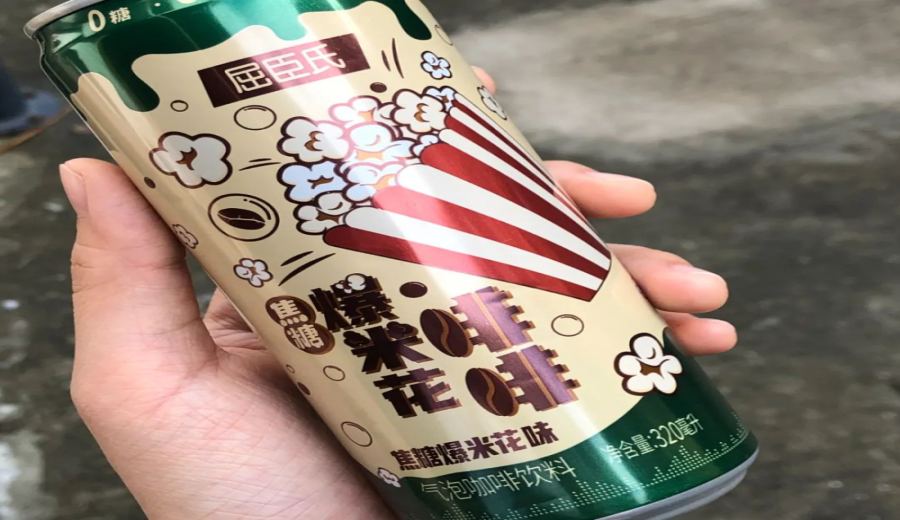
Introduction:This creative beverage, which combines the aroma of Arabica coffee with that of caramel popcorn and a bubbly texture, may seem novel—but it has left many coffee enthusiasts exclaiming "a mix of conflicting flavors." This article delves into why its flavor layers fail to harmonize, explores common flavor design pitfalls in creative coffees, and shares how proper pairing can make specialty coffee a more approachable option for beginners.
Recently, a creative coffee drink named “Caramel Popcorn Coffee” quietly hit the shelves in beverage coolers across Guangdong. Marketed as made with Arabica coffee beans, free from added sugar, and featuring both a bubbly mouthfeel and the flavor of caramel popcorn, it promises a novel taste experience. However, many first-timers reported a gap between expectation and reality—the distinct acidity of the coffee, the intense aroma of caramel popcorn, the delicate effervescence, and the aftertaste of zero-calorie sweetener, while each unique in character, clashed in the mouth, creating an indescribably complex sensation.
When I first tried this product, I approached it with curiosity. The bottle’s label boasted “a bubbly impact on the taste buds, a sweet caramel popcorn flavor, and a fun and quirky taste experience”—initially eye-catching. But upon the first sip, the inherent acidity of the Arabica beans became even more pronounced against the backdrop of the caramel popcorn flavor, and the fine, soft bubbles, while adding texture, resulted in a layered yet chaotic overall mouthfeel. The unique aftertaste left by the zero-calorie sweetener after the bubbles dissipated was distinctive but not easily accepted by most consumers. Ultimately, due to the clashing elements, I gave up after just one sip.
The experience with this product actually reflects a common phenomenon in today’s creative coffee market: many brands focus excessively on novelty in appearance and conceptual gimmicks, while neglecting the core importance of flavor harmony. The original intent of creative coffee was to lower the barrier to entry for coffee by combining it with other flavor elements, helping more non-coffee drinkers find interest in it. However, when the fundamental flavors of coffee—such as acidity and bitterness—fail to harmonize with added flavors—like caramel, popcorn, or bubbles—it can easily leave consumers with a negative impression of coffee.
From a professional perspective, the development of creative coffee needs to balance two key elements: “visual appeal” and “flavor harmony.” While eye-catching designs can attract consumer attention, if the first sip results in confusion or aversion, it’s unlikely they’ll try it again—and it could even affect their overall perception of coffee as a category. This is especially true for coffee beginners, who generally have lower tolerance for diverse flavors. A chaotic-tasting creative coffee might become the turning point where they “give up on coffee.”
It’s worth noting that the audience for such creative coffees isn’t entirely made up of coffee enthusiasts. Many consumers choose creative coffee because it looks fun, fresh, or fits certain scenarios (like parties or photo sharing). Yet regardless of the target audience, basic flavor harmony remains the key to a product’s success. If the flavor layers are too complex and clash with each other, it won’t only struggle to gain consumer approval, but could also harm the brand’s image and market reputation in the long run.
For brands, the challenge of launching creative coffee lies in finding a balance between “innovation” and “acceptability.” It’s recommended to start with simple flavor combinations during R&D—for example, pairing coffee with a single, clear flavor (like caramel, vanilla, or citrus)—and to gather feedback through small-scale testing, gradually adjusting ratios and presentation. In addition, clearly labeling the main flavors and ingredients can help consumers form reasonable expectations, reducing negative experiences caused by “flavor discrepancies.”
In summary, the value of creative coffee lies in expanding the possibilities of coffee, not in creating “experiments” with confusing flavors. Only by starting from the actual needs of consumers and focusing on flavor harmony and overall experience can we truly attract more people into the world of coffee and cultivate long-term brand loyalty.
The above content is compiled by CoffeeHunters, a coffee news website.


