







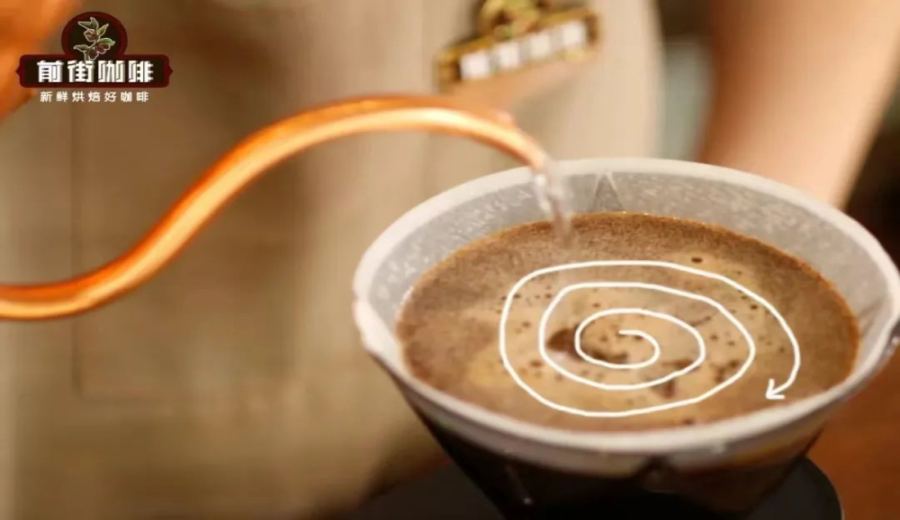
Introduction:The flavor of pour over coffee is influenced not only by the coffee bean variety and roast level, but also—crucially—by pouring technique. Among these, the speed at which you pour in circles directly affects how vigorously the coffee bed is agitated, which in turn changes extraction efficiency and ultimately, flavor expression. This article presents an experiment using two coffees of different roast levels to analyze differences in concentration, extraction yield, and taste across varying pouring speeds, helping you refine your pour over technique with greater precision.
During the pour over process, many variables can impact the final extraction result—but one that is often overlooked is the pouring technique, which actually has a significant influence on flavor. In particular, the speed of circular pouring equates to the intensity of agitation applied to the coffee bed, directly affecting the rate and evenness of coffee solubles release. So just how much difference does pouring slowly versus quickly really make to extraction and flavor?
To find out, we conducted an experiment using two types of beans: a washed Yirgacheffe (“Guodingding”) and a dark roasted Golden Mandheling, controlling variables such as dose, water temperature, grind size, and brew ratio, while only adjusting the speed of circular pouring. We recorded data on concentration, extraction yield, and subjective taste evaluations to analyze the differences in depth.
First, let’s understand why circular pouring is used. When pouring water, most people opt for a concentric circle motion rather than fixed-point or back-and-forth erratic pouring, mainly to avoid generating unstable turbulence that could disturb even extraction from the coffee bed. Additionally, since most pour over drippers have a conical shape, circular pouring helps distribute hot water evenly across all the coffee grounds, improving overall extraction balance.
The speed of your pouring circle is akin to the force used when stirring coffee grounds with a spoon. Pouring quickly is like stirring vigorously: the grounds and water come into contact more frequently, accelerating the release of solubles. In contrast, slow pouring is like gentle stirring, resulting in a smoother and more uniform release. Simply put, the faster the pouring speed, the stronger the “agitation” on the coffee bed—and the potentially faster the extraction.
In our first experiment, we used washed Yirgacheffe “Guodingding,” a high-altitude, lightly roasted bean with relatively hard bean structure. The parameters were as follows: 15g dose, 1:16 brew ratio, 91°C water temperature, 20-mesh sieve passing rate of 80%, using a three-pour method, with total brew time around 2 minutes and 20 seconds. Two pouring speed groups were tested: a slow group (one circle every 3 seconds) and a fast group (one circle every 1 second).
The results showed that the slow group had a concentration of 1.40% and an extraction yield of 20.73%; the fast group measured 1.41% concentration and 20.88% extraction. Numerically, the difference was minimal, and in terms of flavor, both groups exhibited citrus, honey, and green tea notes, with almost no noticeable sensory difference. This suggests that for harder, denser coffee beans, the impact of pouring speed is not very significant.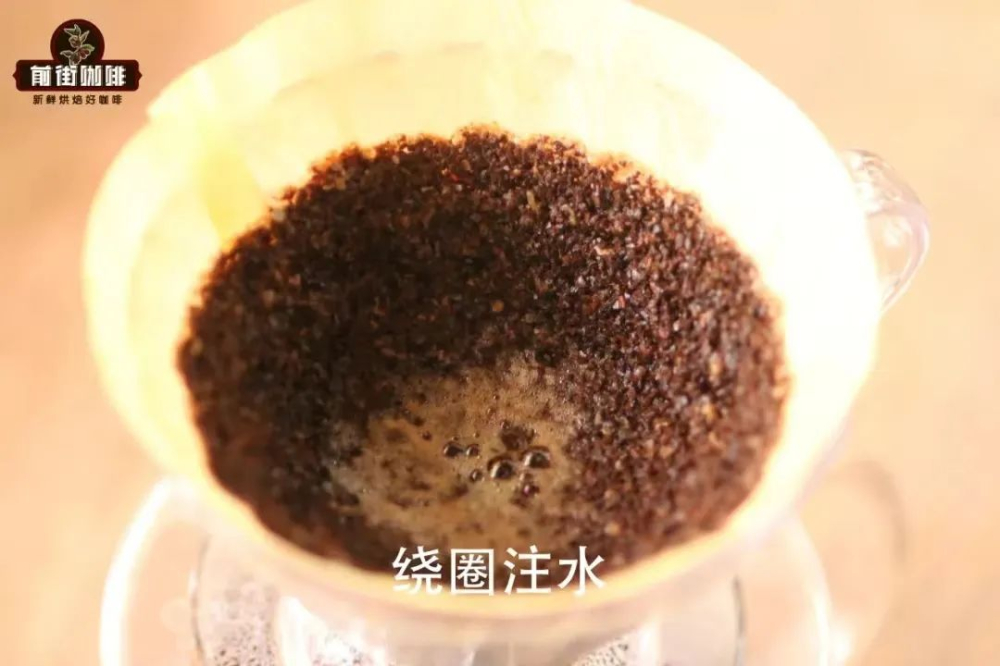
To test how different beans respond, we conducted a second experiment using dark roasted Indonesian Golden Mandheling. This bean is darker roasted, with a looser bean structure that more readily releases its compounds. The parameters were adjusted to: 15g dose, 1:15 brew ratio, 87°C water temperature, 20-mesh sieve passing rate of 70%, again using a three-pour method, with total brew time about 2 minutes. Pouring speeds were divided into a slow group (3 seconds per circle) and a fast group (1 second per circle).
Experimental data showed the slow group at 1.39% concentration and 19.11% extraction, while the fast group reached 1.45% concentration and 19.95% extraction. Although the numerical differences were still not huge, in actual tasting, the slow group presented a softer, smoother mouthfeel with more restrained flavors, whereas the fast group showcased a richer, more layered profile with more intense taste—though the mouthfeel difference was not prominent. This indicates that for loose, dark-roasted beans, a faster pouring speed does help extract more flavor compounds.
Combining findings from both experiments, it becomes clear that pouring speed influences the degree of agitation on the coffee bed, thereby altering extraction rate and the amount of solubles released. However, the actual effect on flavor still varies depending on the hardness of the bean, roast level, and grind size. For example, when the grind is finer, the coffee bed already has a larger surface contact area, so the impact of pouring speed is relatively smaller; conversely, with a coarser grind, moderate stirring through pouring helps improve extraction evenness.
Additionally, it’s worth noting that if other parameters (such as water temperature or grind size) are not properly controlled, excessively fast pouring may lead to over-extraction, resulting in undesirable bitterness or astringency. That’s why many professional pour over guides recommend a gentler, slower pouring approach when brewing dark roasted beans—to reduce the risk of over-extraction.
In summary, the speed of circular pouring does affect extraction efficiency and flavor expression, but this variable must be considered alongside bean characteristics, grind size, and other brewing parameters. For beginners, it’s advisable to first master a stable pouring rhythm and even circular path, then gradually adjust speed to find the optimal technique for your personal taste preferences and coffee type.
Whether you’re just starting out or already experienced, understanding the relationship between pouring speed and extraction will enable you to more precisely control the flavor outcome of each cup during your pour over brewing process.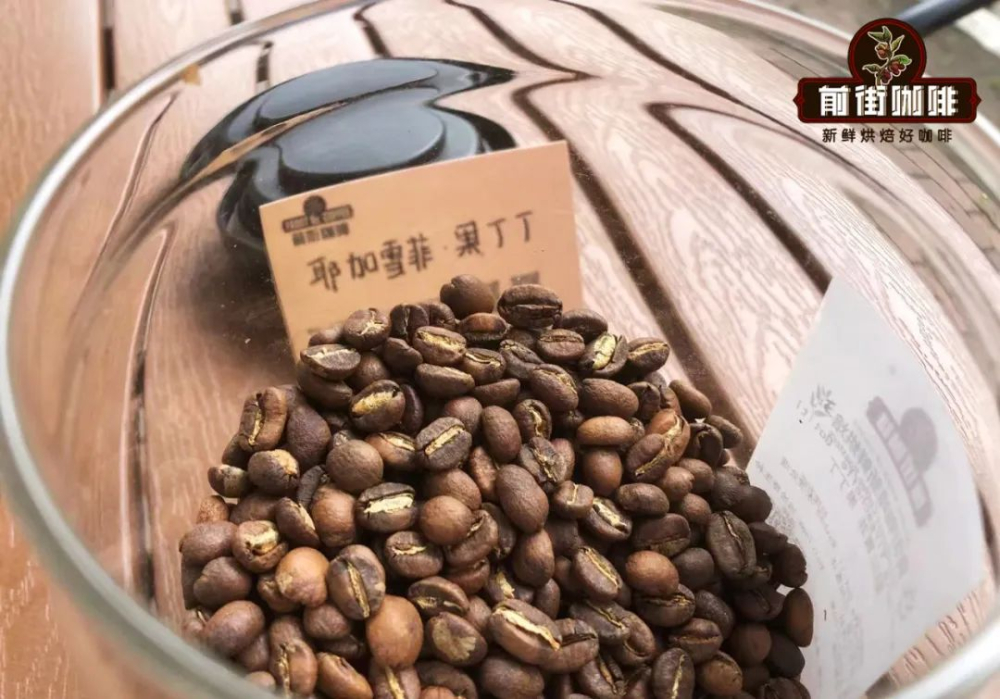
The above content is compiled by CoffeeHunters, a coffee news website.


