







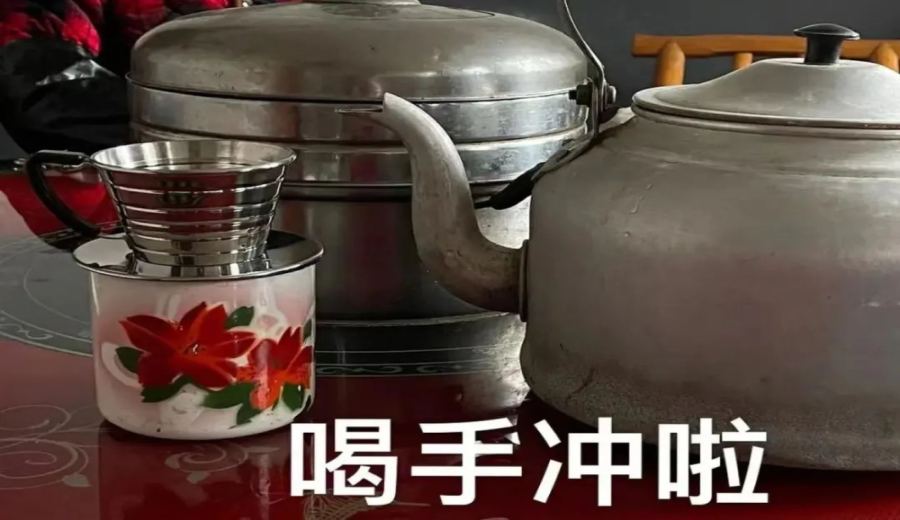
Introduction:This article delves into the critical role baristas play in promoting coffee culture, analyzes the core elements of professional competence, and reveals practical details regarding quality control and customer interaction. From beginners to seasoned enthusiasts, readers will learn how to foster positive industry development through the guidance of proper values, while also mastering practical techniques to maintain consistent quality.
The role of a barista goes far beyond that of a mere beverage maker—they are also a bridge to coffee culture. Facing customers from diverse backgrounds, ranging from those who drink instant coffee to those who enjoy premium pour over, each consumer has a unique flavor journey. Professional baristas should approach these different choices with an open mind, understanding that transitioning from milk-based coffee to single-origin brews is a natural process—not a reason for judgment.
The essence of coffee culture lies in its inclusiveness—whether it’s a quick cup enjoyed on a street corner or a slow savoring in Paris’s Left Bank, from simple filtration brewing to precision-controlled extraction parameters in expert pour over, every method deserves respect.This spirit is precisely the core value that baristas should carry forward.By sharing accurate knowledge, they can guide more people to explore the world of coffee.
Many newcomers start their coffee journey with milk-based drinks or specialty blends—that’s a completely normal beginning. Taking photos of their drinks to share on social platforms is essentially an acknowledgment of the experience, and should not be misinterpreted as disrespect toward coffee professionalism.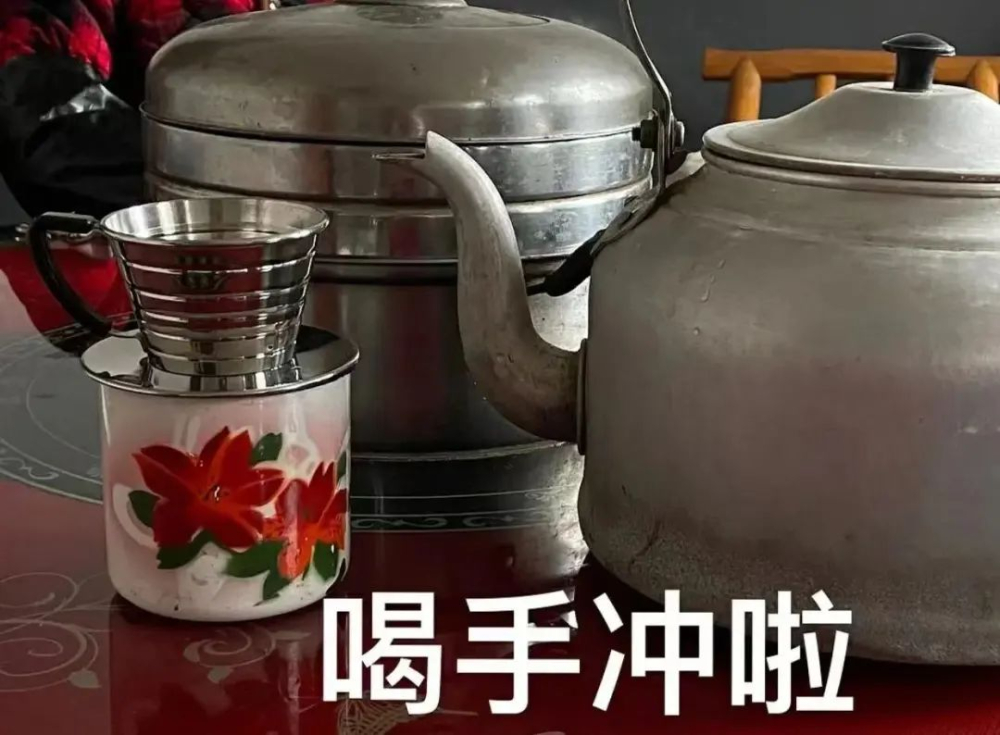 In fact, such behavior often brings additional exposure to the café, creating a mutually beneficial process.
When customers raise questions about coffee quality, the first thing to examine is the quality control aspects of the production process.Parameters such as the roast level of the coffee beans, grind size, and water temperature controlshould all be rigorously checked before the drink is served. If adjustments are only made after customer feedback, it already reflects a lapse in process management.
There’s no need to overanalyze customer purchasing behavior—buying coffee might simply be for enjoying the space, and may not be directly related to coffee expertise. Likewise, a barista’s career shift often stems from personal development considerations, rather than a single external opinion. The key lies in establishing a foundation of mutual respect in communication.Continuously improving extraction techniques and flavor description abilities through ongoing learningis the right path for professional growth.
True professionalism is reflected in daily details: from regularly calibrating grinders, precisely controlling the coffee-to-water ratio, to adjusting brewing methods based on the characteristics of beans from different regions. The accumulation of these practical skills speaks much louder than merely emphasizing the hardships of the job. Remember, every customer who walks into the shop is a potential ambassador for coffee culture.
The above content is compiled by CoffeeHunters, a coffee news website.


