







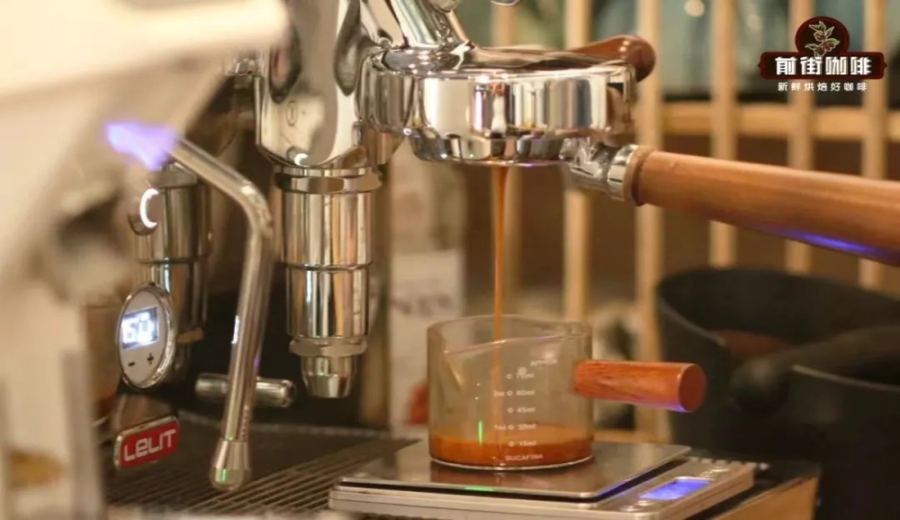
Introduction:Understanding the core of espresso extraction isn't about memorizing numbers by rote, but grasping the interactive logic between dose, grind size, and extraction time. This article delves into how to judge the extraction status and make timely adjustments by observing flow rate, crema, and flavor, helping you go from basic operations to fine-tuning with ease — whether you're making classic espresso or using it as a base for lattes or Americanos, consistently achieving optimal flavor is within reach.
When crafting the perfect shot of espresso, data should serve only as a reference, not an unchangeable standard procedure. What truly matters is understanding the delicate balance among dose, grind fineness, and extraction time, and being able to flexibly adjust extraction parameters based on actual output and flavor expression. This article will guide you from basic observations, through common real-world scenarios, gradually mastering the essentials of espresso extraction, and further understanding the differences in extraction strategies for various coffee beverage bases (like lattes and Americanos).
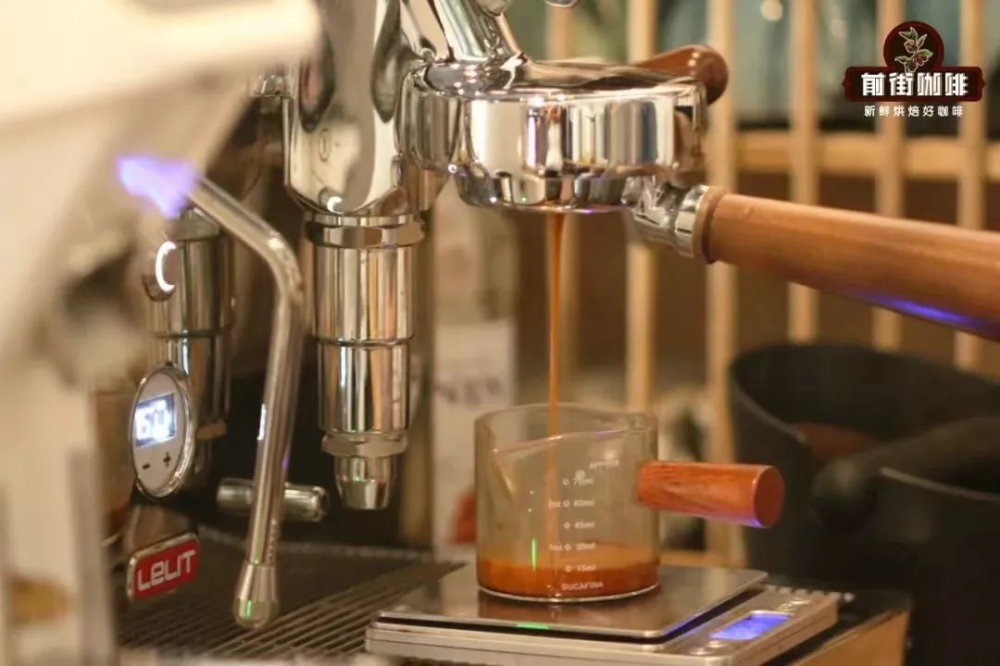
First, it's essential to clarify an important concept: even if you completely replicate a set of widely accepted extraction figures — for example, “20 grams of coffee grounds yielding 40 grams of liquid in 25 to 30 seconds” — it’s still difficult to guarantee consistent and ideal flavor every time. This is because each batch of coffee beans differs in origin, roast level, and freshness, and coffee machines also vary in pressure and temperature performance. Therefore, the focus of learning extraction is to develop sensitivity to your equipment and beans, enabling you to make the most appropriate adjustments according to current conditions, rather than obsessively chasing numerical matches.
Many baristas don’t adhere to a fixed and unchanging extraction formula in daily service. For example, in practice, they might flexibly adjust the following variables based on the beans’ condition that day: dose (e.g., adjusting from 20g to 19.7g), yield (e.g., changing 40g to 35g), or even adjusting both grind size and dose simultaneously, all aiming to achieve a stable and satisfying final extraction flavor. Examples include:
- 20g dose, 40g yield, 28-second extraction
- 19.7g dose, 40g yield, 28-second extraction (adjusted dose)
- 20g dose, 35g yield, 26-second extraction (adjusted yield)
- 19.7g dose, 40g yield, 30-second extraction (adjusted both dose and grind size)
No matter which adjustment method you use, the final judgment should always be based on flavor expression, ensuring each shot of espresso showcases the bean’s inherent characteristics while avoiding the negative flavors caused by over-extraction or under-extraction.
During the actual extraction process, we can assess whether an espresso shot is extracting normally from two aspects: observing the flow rate, color, and crema state; and directly tasting its flavor profile.
Observing Extraction Status
Before starting the extraction, it’s recommended to confirm the coffee machine’s warm-up status, especially whether the water temperature and pump pressure are within the ideal range — this is the primary condition for stable extraction.
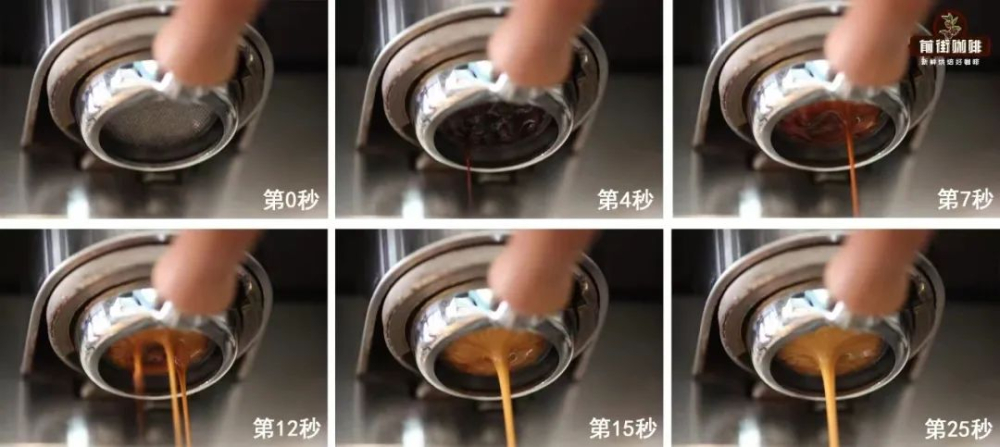
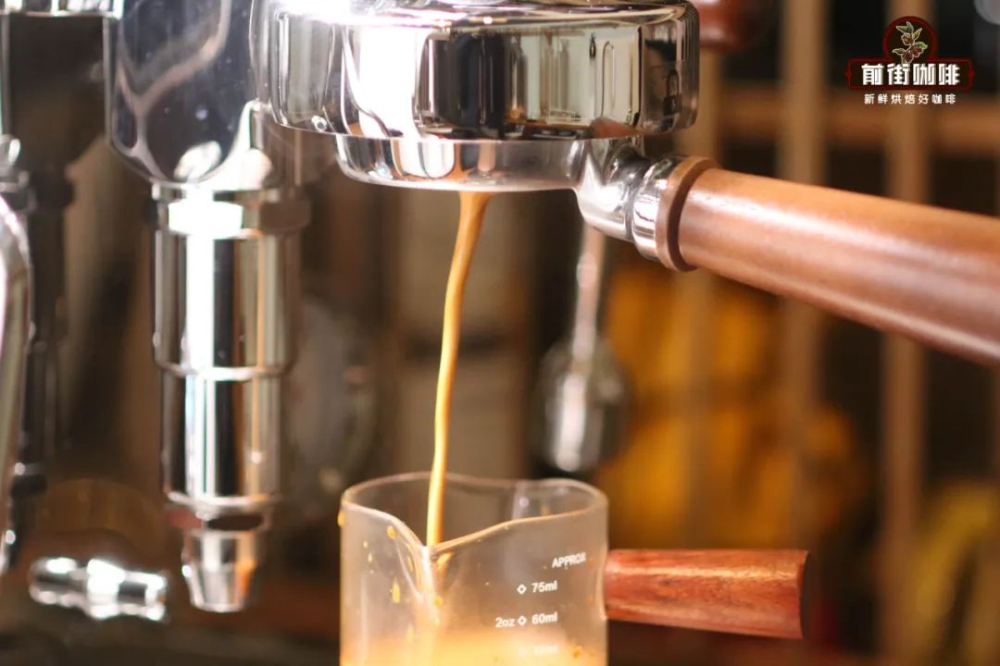
Once extraction begins, it’s advisable to pay close attention to the following time points and changes in flow rate:
- Usually, between the 4th and 6th second after pressing the extraction button, you’ll see the first drops of coffee emerge. At this point, the liquid is dark brown-black, slow and viscous in flow.
- Around the 12th second, the flow rate gradually stabilizes, the liquid turns a brownish-yellow color, and the texture becomes smooth like cream.
- Approaching the 20th second, the color shifts to golden, and the flow remains steady.
- Subsequently, the liquid’s color gradually lightens, viscosity decreases, and once a whitish appearance emerges, it usually indicates that extraction is nearing its end — it’s advisable to stop the extraction just before this point.
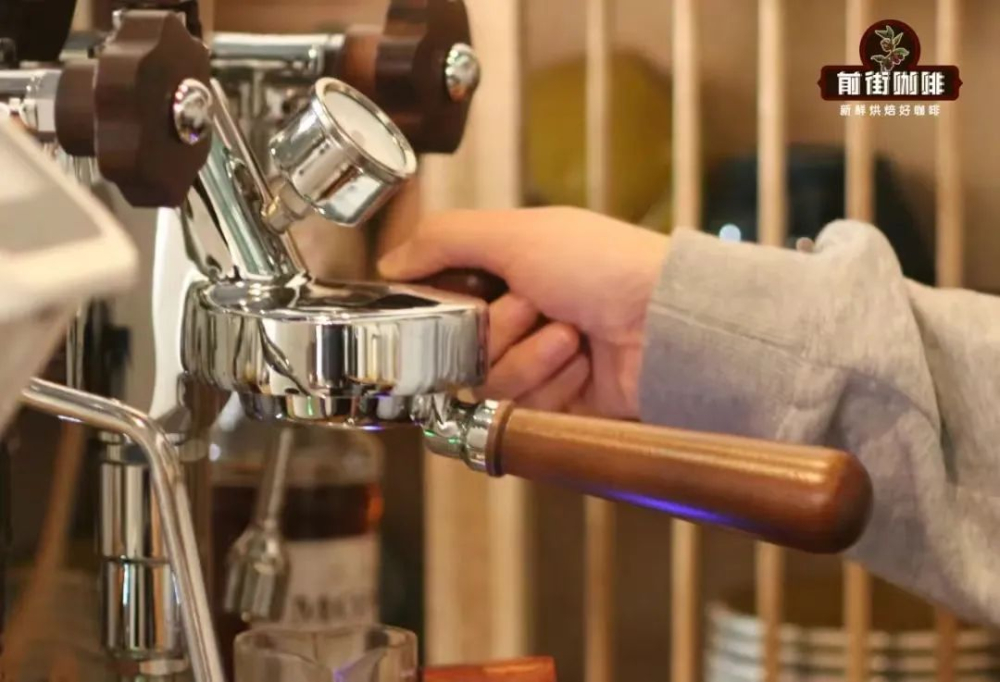
If any of the following abnormal situations occur, it’s recommended to halt extraction early and recheck the settings or procedure:
- Without pre-infusion, if no liquid flows out even 10 seconds after pressing the extraction button, it may be due to overly fine grind or excessive dose causing channeling.
- An inconsistent flow rate — sometimes fast, sometimes slow — indicates uneven distribution or tamping, which can cause channeling effects and affect overall extraction uniformity.
- A very fast flow rate typically means the grind is too coarse. If the initial flow is normal but suddenly speeds up in the later stage, check whether the puck has visible holes or cracks along the edges. You might first adjust distribution and tamping; if the puck surface is uneven or muddy, consider increasing the dose.
- After extraction, observe the quality of the crema. The ideal state should be golden yellow, fine, and have a creamy-smooth touch. If the crema is rough or clumped, the beans might be too fresh. If the crema is overly thin, it could be related to roast level or storage duration.
Tasting Flavor for Judgment
Even if the espresso’s flow rate and appearance seem fine, it doesn’t guarantee an ideal flavor. Therefore, actual tasting is an indispensable step. You can make preliminary judgments and adjustments based on the following common flavor profiles:
- If the espresso tastes sour and has a short aftertaste, it may be under-extracted — consider extending the extraction time.
- If there’s noticeable burnt bitterness or overly intense flavors, the grind is likely too fine — try adjusting to a coarser grind.
- If the flavor is too thin or lacks complexity, review the extraction time and flow rate. If the extraction time is under 25 seconds and the flow is fast, you might try adjusting to a finer grind, reducing the yield, or slightly increasing the dose.
Additionally, if this espresso will eventually be used to make a latte or diluted with water to make an Americano, it’s recommended to reassess the overall flavor after adding milk or water, to truly determine if it meets expectations. Especially in practice, extraction strategies for espresso bases intended for lattes and Americanos often differ.
Extraction Differences Between Latte and Americano Bases
When making a latte, it’s common to extract a bit less coffee liquid to avoid the later, more bitter and dilute portion affecting the overall taste. Removing this part and then adding fresh milk can make the sweetness and body more prominent. Meanwhile, Americanos typically use a normal or slightly higher extraction amount, because an Americano is essentially espresso diluted with water — full extraction ensures the final drink still has rich flavor layers, as long as the espresso itself doesn’t show obvious burnt bitterness or astringency.
The above content is compiled by CoffeeHunters, a coffee news website.


