








Introduction:Many young entrepreneurs dream of opening a coffee shop, only to exit the business disappointed within six months. Is it due to poor location selection or flawed management strategies? This article dissects common mistakes in key areas such as market positioning, store planning, and delivery services, offering concrete data and practical advice to help aspiring entrants avoid these operational pitfalls.
Running a small café filled with the aroma of coffee is an ideal life for many. But in reality, many independent coffee shops often fail to survive beyond half a year. Digging deeper, these failures are usually not caused by a single factor, but rather stem from a lack of comprehensive planning from preparation to daily operations.
What exactly causes these coffee shops to not survive? This article will analyze seven major aspects—from location strategy and space design, to equipment procurement, product positioning, service models, and delivery arrangements—and examine common fatal errors one by one, along with providing practical improvement suggestions.
First, it's important to clarify a misconception: opening a coffee shop does not equal running it successfully. Even if you choose a bustling commercial area, without a clear market position and stable product quality, high rent can actually accelerate a business crisis. It is recommended that newcomers consider community-based storefronts paired with delivery services, which can both reduce initial investment and help build a stable customer base.

When it comes to location selection, many beginners believe that “a crowded place is a good location,” but that’s not necessarily the case. Although busy commercial districts have high foot traffic, the competition is fierce and rents are expensive. For new brands, it is advisable to prioritize areas around office business districts or mature communities, where rents are relatively more affordable and the target customer group is more stable. Especially after the pandemic, “small but beautiful” community coffee shops have become more favored by the market—as long as the service speed is high and product consistency is good, even a small shop can build a loyal customer base.
Renovation budgets are often the first trap. Many entrepreneurs tend to create Instagram-worthy spaces, but overlook practicality and cost control. In practice, it is advised to keep the renovation cost for a 30–40 ping (approx. 100–130 m²) shop under 30,000–40,000 RMB (excluding equipment). The focus should be on hygiene, layout planning, and basic comfort, rather than excessive decoration. Remember, the soul of a coffee shop is the coffee—not the wall decorations.
Equipment investment also requires rational assessment. Expensive machines like La Marzocco or Synesso are not guarantees of specialty coffee quality—the key lies in the bean quality and brewing techniques. For startups, it is recommended to choose mid-range equipment with good cost-performance, focusing the budget on consistent bean roasting profiles and barista training. A high-quality commercial grinder can often improve overall output stability more than a branded machine.
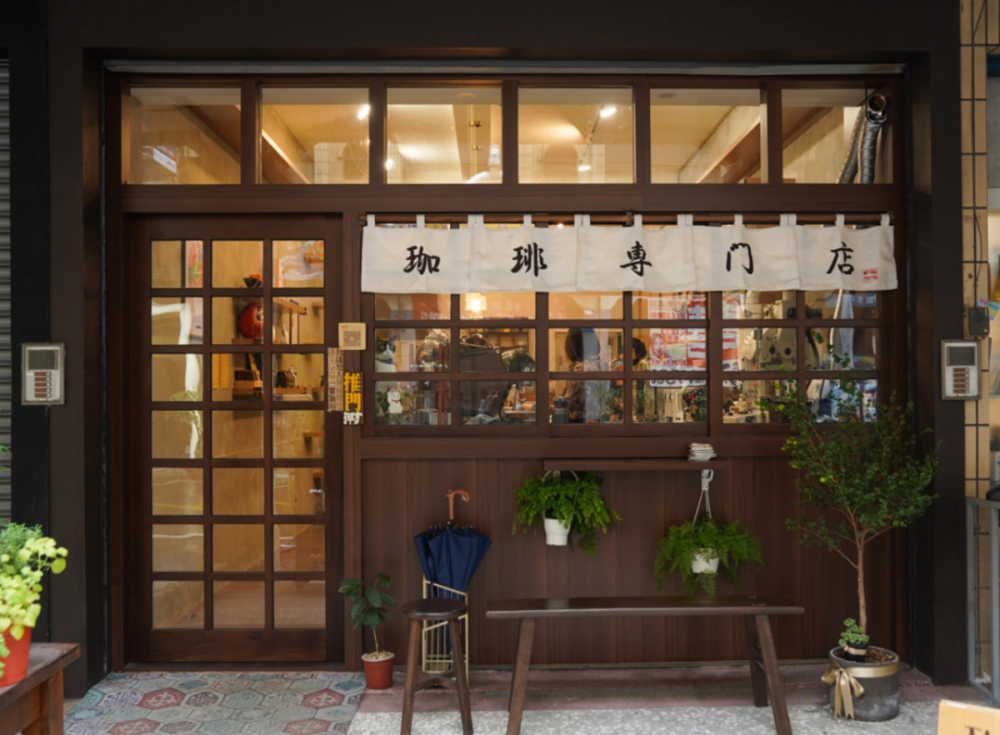
The misconception about “specialty coffee” also needs to be clarified. True specialty coffee encompasses full-process quality control—from green bean selection and roasting profiles to brewing techniques—not just referring to expensive beans or specific brewing methods. Even espresso or creative signature drinks can deliver a specialty-grade tasting experience, as long as they meet professional standards in bean characteristics, extraction parameters, and flavor balance.
Service attitude is often seen as a soft metric, but in reality, it is a critical hard metric affecting return rates. Regardless of personal style, the basic principles are professionalism, politeness, and efficiency. It is recommended to establish standardized service procedures, creating SOPs for everything from order guidance to meal pick-up reminders, ensuring every customer receives a consistent service experience.
Product pricing strategies must match the quality offered. Many shops overestimate their brand value and set unreasonable prices, leading to customer loss. A pragmatic suggestion is to refer to pricing of competing products in the same area, and ensure that the ingredient cost per drink remains within a reasonable range, while maintaining stable extraction quality and flavor consistency.
Delivery services are often mistakenly thought to negatively impact the product experience, but in fact, they are an indispensable part of modern coffee operations. Considering the nature of delivery, it is wise to focus on promoting espresso-based drinks and cold brew series, which are less sensitive to transportation shocks. Remember, delivery platforms are not just sales channels, but also important avenues for brand exposure—especially effective in compensating for reduced in-store foot traffic during bad weather.
In summary, running a coffee shop is a business that demands careful calculation and dedication. Every step, from initial planning to daily operations, can be a make-or-break factor. Only through comprehensive evaluation and steady management can one stand firm in this fiercely competitive market.
The above content is compiled by CoffeeHunters, a coffee news website.


