







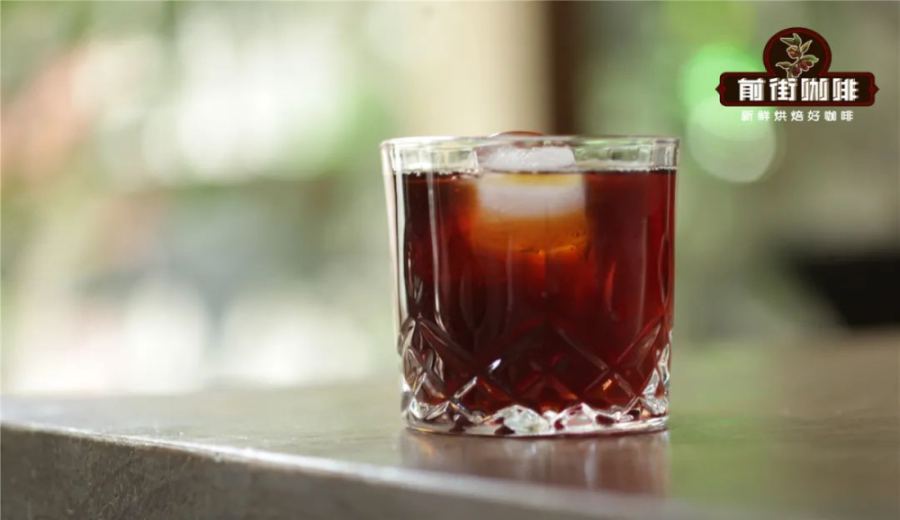
Introduction:In the hot summer months, when you're craving a refreshing cup of coffee, both cold drip and cold brew are top choices for many coffee enthusiasts. Although both methods involve low-temperature extraction, they differ significantly in brewing techniques, flavor profiles, and waiting times. This article delves into the extraction principles, detailed differences, and actual flavor characteristics of cold drip and cold brew, offering professional-level parameter suggestions to help you master the essentials—from selection to enjoyment—and find your own ideal summer coffee flavor.
When hot weather meets a desire for coffee, many people start looking for more refreshing ways to enjoy it, making cold drip and cold brew popular choices in many cafés. Both are low-temperature extraction techniques that may seem similar but actually differ markedly in process, flavor profile, and brewing workflow. This article will take you through practical examples, comparing the flavor differences between cold drip and cold brew, analyzing the core distinctions in their extraction methods, and providing detailed parameter settings to help you better understand these two beloved cold extraction techniques.
Fundamentally, both cold drip and cold brew extend the extraction time in a low-temperature environment to reduce bitterness and highlight the delicate layers of coffee. However, their extraction logics are completely different: cold drip uses slowly dripping ice water that passes drop by drop through the coffee grounds—a "drip filtration" method—while cold brew involves mixing coffee grounds with cold water and letting it steep— an "immersion" method. As a result, even when using the same coffee beans, the final flavor personalities they present can be vastly different.
Take a practical example: if you use the same medium-roast coffee beans (such as common African beans or Central American blends), cold brew often faithfully presents the bean's inherent fruity notes, such as raisins, citrus, and subtle floral hints, with a smooth and full-bodied mouthfeel and distinct layers. In contrast, cold drip showcases a clearer, more transparent wine-like aroma and fruit acidity, sometimes accompanied by a faint hint of fruit fermentation, resulting in a crisper and cleaner flavor profile with a clean finish—ideal for those who prefer a crisp aftertaste. (※The flavor differences mentioned here are based on comparisons of the same beans using different methods; actual experiences may vary slightly depending on individual taste sensitivity.)
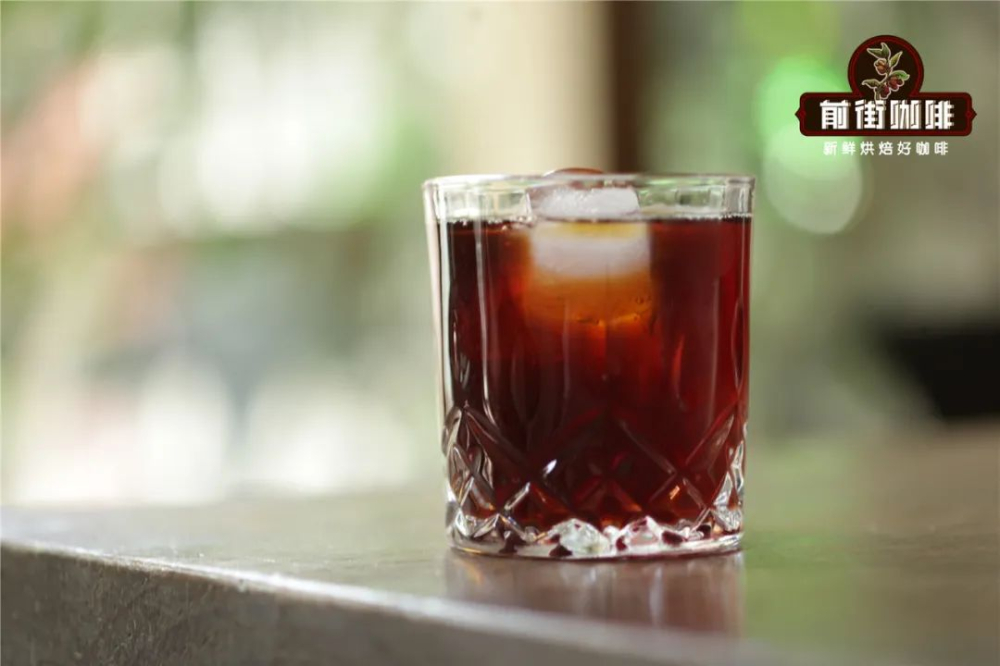
Many people who order cold drip coffee at cafés often hear the reminder that “advance reservation is required.” This is because the production process of cold drip coffee is relatively complex and time-consuming: from the start of dripping to completion, it usually takes6 to 8 hours, followed by12 hoursof resting to allow the flavors to mature, in order to reach optimal condition. Therefore, if customers wish to enjoy cold drip made from a specific bean, cafés often need to plan the production schedule in advance. It’s recommended to make a reservation in advance to ensure you get a freshly made brew.
It’s worth noting that, even with high summer demand, many cafés still regularly offer cold drip coffee daily, though the bean selection may vary depending on stock or the day’s theme. It’s advisable to inquire about the beans available that day.
Next, we’ve compiled the actual cold drip and cold brew parameters used by a coffee shop, for readers who want to try these methods at home. Please note that these parameters are not absolute—with adjustments possible based on coffee bean characteristics, grinding equipment, and personal taste preferences—but the following settings have been proven to produce stable and excellent extraction results.
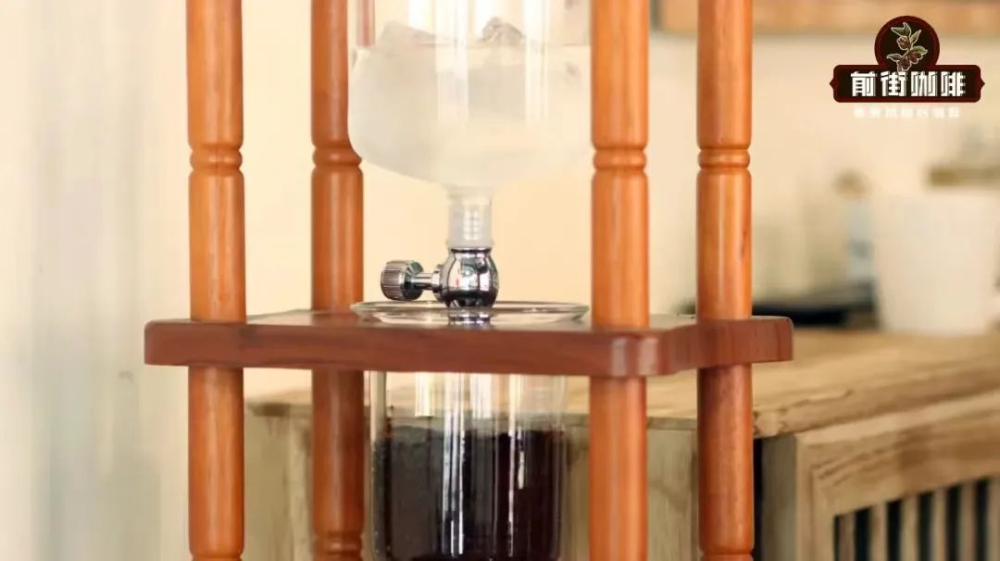
Recommended Parameters for Cold Drip Coffee:
- Coffee Grounds: About60 grams(adjustable slightly depending on container capacity)
- Grind Size: Approximately85% passing through a #20 sieve, similar in coarseness to superfine sugar
- Coffee-to-Water Ratio:1:10
- Brewing Temperature: Usean ice-water mixture, dripping at room temperature
- Drip Rate: Recommended to control at around7 drops per 10 seconds, maintaining a steady flow rate
- Brewing Time:6 to 8 hours
- Post-Brewing Process: After extraction, it is recommended torefrigerate and let it rest for 12 hoursto allow the flavors to integrate better
- Serving Suggestion: For every200 milliliters, add about50 grams of ice cubesto enhance the mouthfeel and flavor expression
Recommended Parameters for Cold Brew Coffee:
- Coffee Grounds: About30 grams(also adjustable based on container size)
- Grind Size: Approximately80% passing through a #20 sieve, slightly coarser than cold drip
- Coffee-to-Water Ratio:1:12
- Brewing Temperature: Recommended to usecold water at around 7°C for cold steeping
- Brewing Time:12 hours
- Post-Brewing Process: After extraction, filter with paper and then refrigerate for4 hoursbefore drinking for the best experience
Whether you choose cold drip or cold brew, since both methods involve long extraction periods under low temperatures, the release of flavor compounds is slower and more stable. It’s recommended to consume the coffee withinfive days from the date of brewingto achieve the best flavor and ensure hygiene and safety. Refrigerated storage can also slow down flavor loss and maintain the beverage's fresh taste.
The above content is compiled by CoffeeHunters, a coffee news website.


