







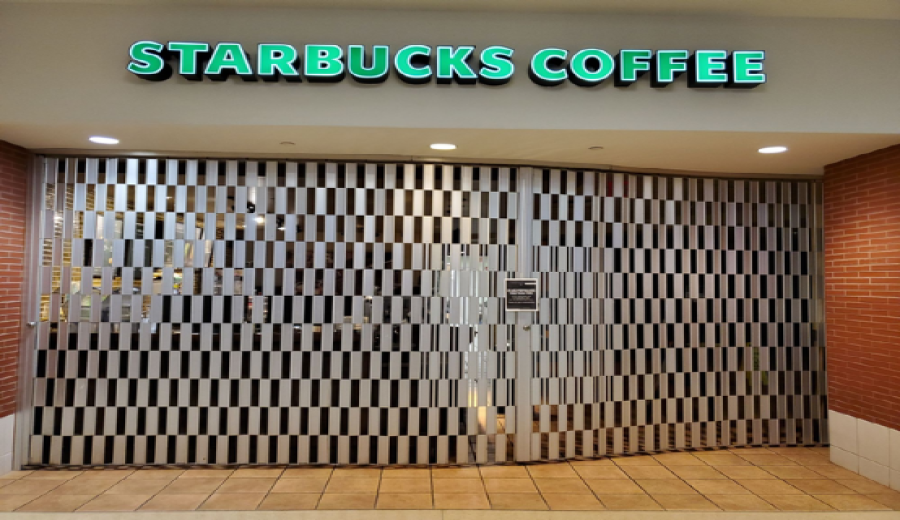
Introduction:Starbucks recently announced that it will permanently close 16 stores in the United States by the end of July, many of which are located in its headquarters city, Seattle. This decision is primarily driven by worsening public safety issues that directly threaten the safety of both employees and customers. In addition, Starbucks is also re-evaluating its restroom access policy, implementing stricter controls on usage by non-paying customers. This article delves into the specific reasons behind the store closures, the management’s response strategies, and the potential impact of this incident on the global market and industry policies.
Starbucks has recently made a significant decision to close 16 stores in the United States by the end of July, with many of these locations concentrated in its headquarters city — Seattle. This move mainly reflects the company’s deep concern about the current state of public safety. Against the backdrop of multiple reported safety incidents, Starbucks believes that continuing to operate certain stores no longer aligns with its commitment to ensuring the basic safety of employees and customers.
According to Starbucks’ official statement, the closure of these stores was a carefully considered decision. Some locations have long faced high-risk security challenges, including violent incidents, drug deals, and illegal occupancy, creating an uncertain working environment for employees. A Starbucks spokesperson explicitly stated that to ensure employee well-being, the company chose to proactively close these stores and relocate the affected employees to other locations.
In an open letter to all U.S. employees, Debbie Stroud, head of Starbucks’ U.S. operations, admitted that the company has received numerous reports of safety incidents from frontline staff, showing that threats faced by stores can no longer be ignored. She emphasized: “Each report makes us more aware that if our partners don’t feel safe at work, we cannot build true trust and partnership.”
To respond to safety concerns in real time, Starbucks has authorized store managers with certain operational flexibility — such as temporarily closing in-store restrooms during high-risk periods or reducing seating capacity to ease crowding. Though temporary in nature, these measures reflect the brand’s attempt to strengthen the safety defenses of its operating environment, starting with the finer details.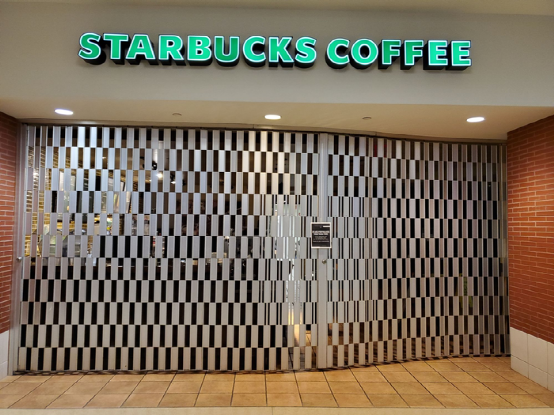
Notably, this decision to close stores has reignited external discussion around Starbucks’ public restroom policy. As early as June this year, Starbucks CEO Howard Schultz mentioned in a public setting that, given the rising issues of public mental health and potential threats faced by store employees, non-paying customers might be restricted from using in-store restrooms in the future. This remark immediately sparked widespread reaction, especially in some U.S. cities where Starbucks has long served as an unofficial “public restroom alternative” — a role that has been increasingly controversial.
In fact, Starbucks China had previously clarified that such restrictions apply only to the U.S. market and are not a global policy. However, there have been reports of misuse of sanitary facilities at some U.S. stores, such as media coverage of a Seattle location where needles, drug packets, and even blood stains were frequently found in the restrooms, posing actual health risks to cleaning staff and employees.
From the customer perspective, many members of the public have indicated that they have already reduced visits to public places like Starbucks during the pandemic, and the recent spate of security incidents has further raised concerns about returning to cafes. This trend poses new challenges to the business models of the retail and food & beverage industries — how to maintain an open image while ensuring safety management has become a common issue for the sector.
In summary, Starbucks’ large-scale store closures this time are not merely a routine business adjustment, but also symbolize the difficult process of balancing public safety with social responsibility. Moving forward, whether the brand will further adjust its global store operation guidelines — especially regarding restroom use and customer screening mechanisms — remains a matter worth continued observation.
The above content is compiled by CoffeeHunters, a coffee news website.


