







Introduction:A food vlogger in Jiangsu dined at a restaurant, left without paying the bill, and later posted a negative video criticizing the establishment, sparking widespread online discussion. This incident has shed light on the many gray areas in the influencer dining review industry, including dine-and-dashes, fake reviews, and extortion through negative feedback. This article details the sequence of events, analyzes the potential risks between food vloggers and business owners, and offers practical advice to help both merchants and consumers respond effectively.
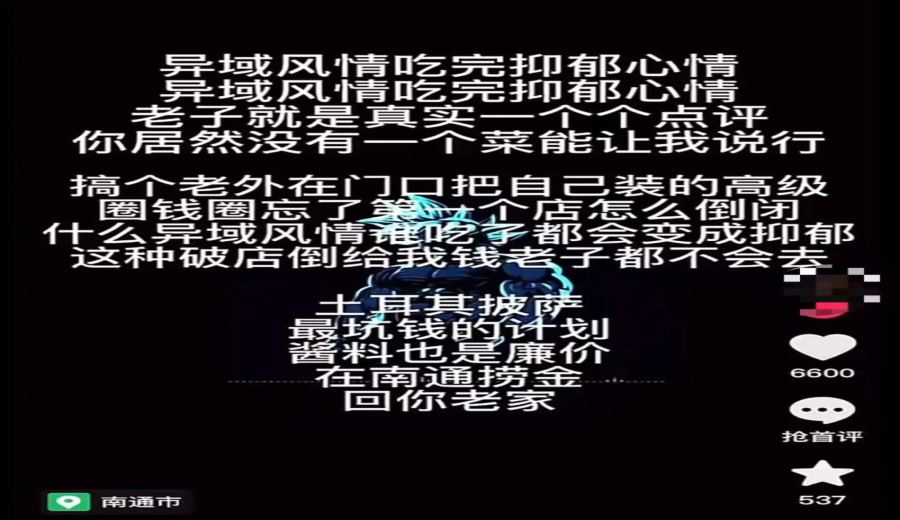
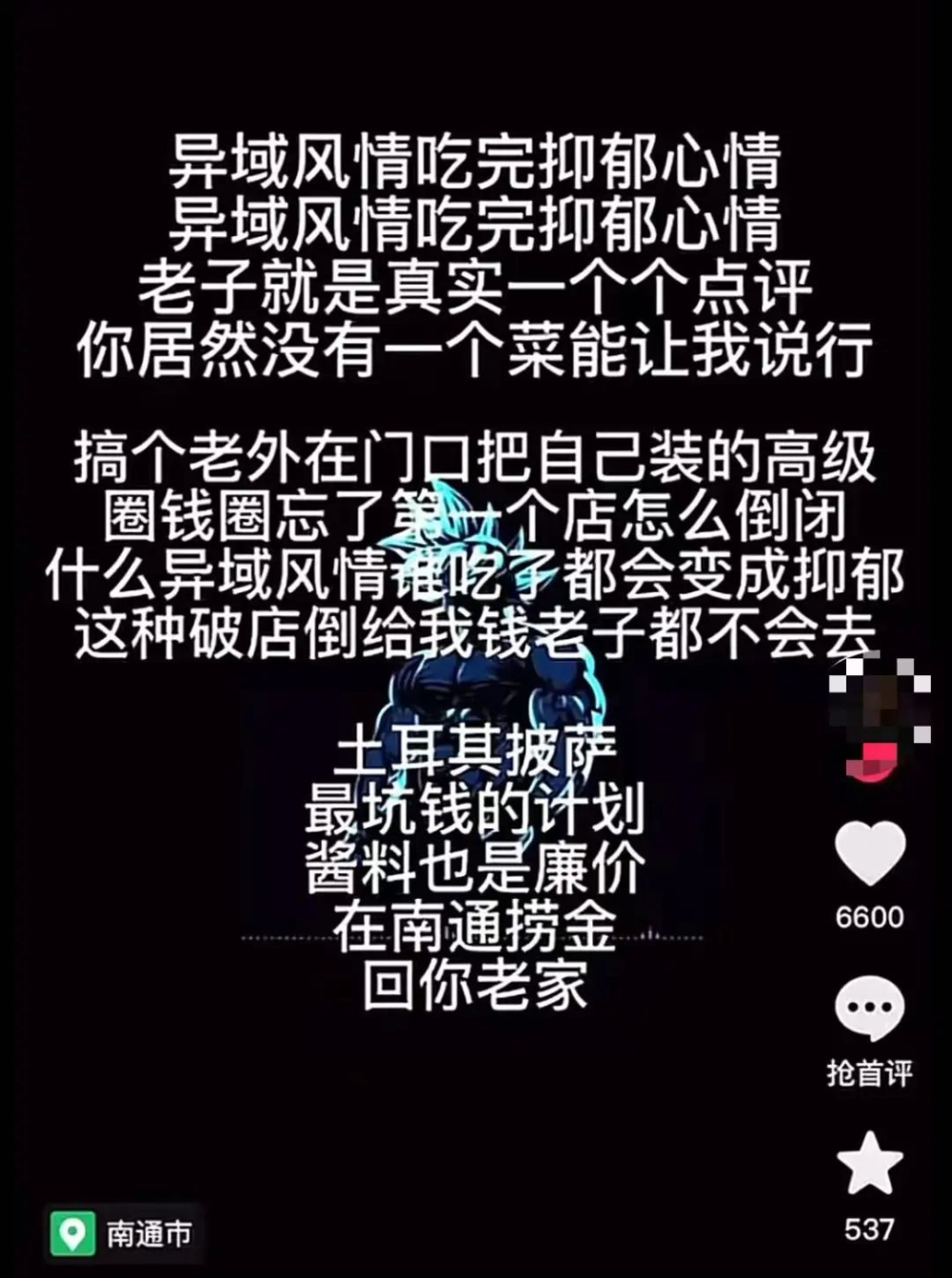
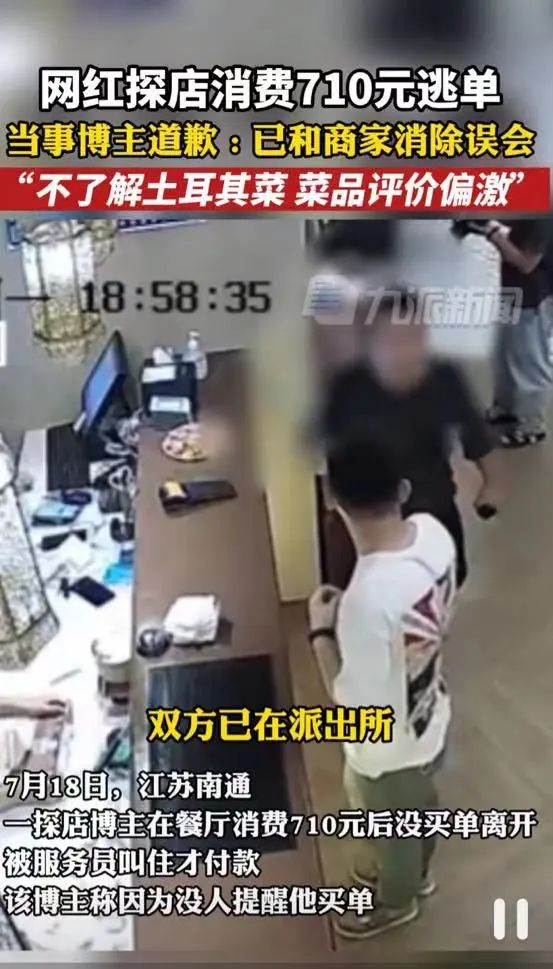
Recently, a food vlogger in Jiangsu consumed 710 yuan worth of food at a restaurant but left without paying, only returning to settle the bill after being chased out by staff. Later, the vlogger uploaded a negative review video about the restaurant, claiming the food was disappointing and even created a rap to express their dissatisfaction. The video quickly gained attention online and brought various issues within influencer dining reviews to the surface.
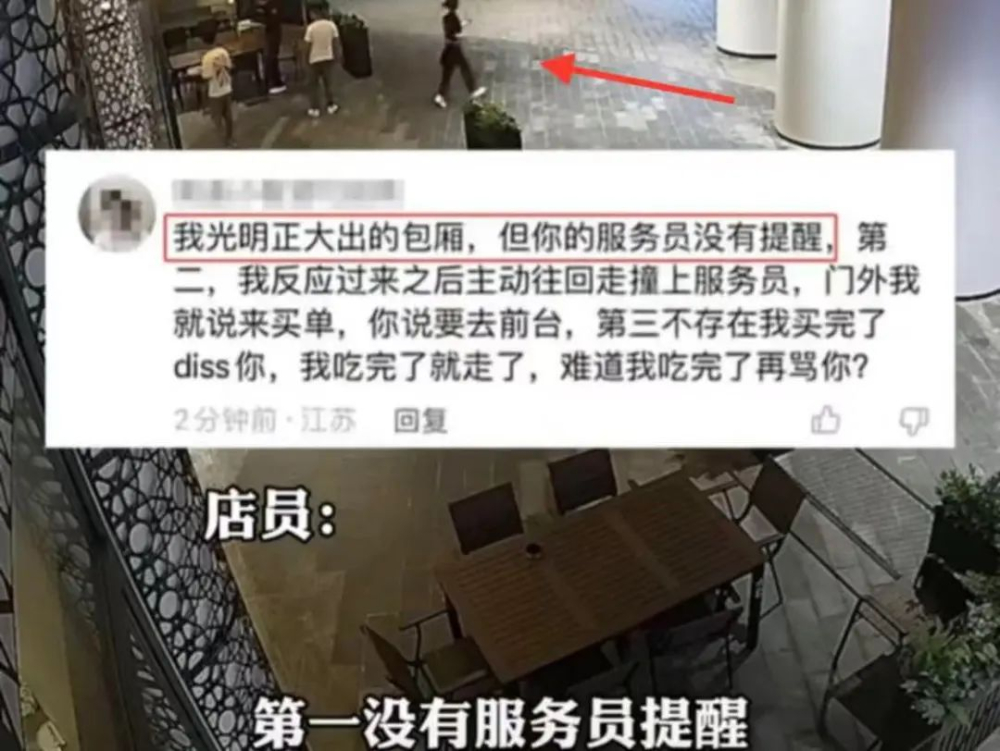
On July 18th, during this incident, the vlogger and two companions walked straight from their private room toward the elevator after their meal. The staff noticed they hadn’t paid and immediately gave chase. According to witnesses, someone asked if the group had paid, and upon receiving a negative response, the vlogger quickly walked away. Although the vlogger later claimed it was a case of “forgetting to pay,” the business argued that customers should proactively settle their bills without needing to be reminded.
Under public pressure, the vlogger quickly deleted the original video and uploaded an apology the next day. They admitted to being the person in the widely circulated video who left without paying, apologized for causing trouble to the business and for occupying public resources, and explained that forgetting to pay was due to no one reminding them—but insisted it was not intentional. Additionally, they acknowledged that their negative comments about the food were overly harsh and reflected only personal taste preferences, offering an apology to the business.
This incident has once again drawn attention to the many questionable practices in influencer dining reviews. With the rapid increase in the number of food vloggers, issues such as accepting payment for positive promotion, threatening businesses with negative reviews to get free meals, and occupying seating for extended photo sessions have become increasingly common. Many businesses invite high-profile vloggers to promote their establishments in hopes of attracting more customers, but this also exposes them to greater potential risks.
Some influencers are not genuinely there to review the food but instead consume minimal items—sometimes just a drink—while occupying space for long periods to take photos, severely impacting the experience of other customers. If the business intervenes, they may even be threatened with negative reviews. For example, one coffee shop, favored by influencers for its interior design, attracted large crowds of people coming to take photos. Some even used the restrooms to change clothes or apply makeup, causing significant inconvenience to other guests and the shop owner.
In response to such situations, the owner of one coffee shop directly posted warning signs in the store, clearly stating that changing clothes or taking Taobao photos was not allowed, and even bluntly saying, “If you want to shoot here, add the owner on WeChat and pay for it.” This phenomenon is becoming increasingly common in the food and beverage industry, especially among newly opened restaurants and cafes that often invite influencers to boost traffic, but may also attract problematic vloggers as a result.
Dining reviews were originally meant to be a mutually beneficial arrangement between businesses and influencers, but unscrupulous individuals have exploited this model for fake promotions and extortion, complicating the entire ecosystem. If businesses compromise out of fear of negative reviews, it only encourages such behavior. Likewise, if platforms fail to effectively regulate user behavior such as hype-building and false advertising, the problem will continue to worsen.
For consumers, if they come across similar false content or malicious behavior on platforms, they should actively report it. Businesses need to uphold principles of honesty and can seek police assistance when threatened. Platforms should also establish more robust mechanisms to curb such user behavior and maintain a healthy commercial environment. As a marketing tool, the value of dining reviews is built on authenticity and trust. Only through collective efforts can the industry avoid damage to its reputation.
The above content is compiled by CoffeeHunters, a coffee news website.


