







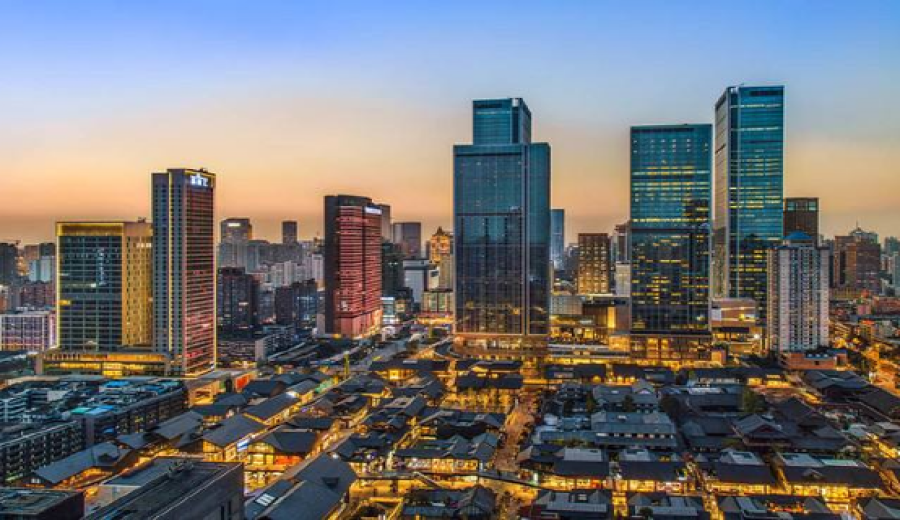
Introduction:Under the impact of the pandemic, the intercity dynamics of China’s coffee market have quietly shifted. Shanghai, once known as the coffee capital, has faced challenges due to restrictions on in-person dining, while Chengdu has rapidly emerged as the country’s second-largest coffee city, thanks to its vibrant independent café scene and appeal to high-end brands. This article analyzes the evolving trends in both cities through data and insights, uncovering the multiple reasons behind Chengdu’s new prominence.
For a long time, Shanghai has been hailed as China’s most coffee-intensive city, ranking at the top in both brand density and consumption frequency. However, the strict pandemic control measures over the past three months—especially the prolonged closure of dine-in services—have dealt an unprecedented blow to the local catering industry, including the coffee market. Against this backdrop, many coffee brands and investors have begun turning their attention to another rapidly rising city: Chengdu.
Based on estimates from the cumulative data published by the Shanghai Municipal Bureau of Statistics for January to April this year, Shanghai’s accommodation and catering retail sales in March and April dropped sharply by 39.5% and 72.5%, respectively, compared to the same period last year. The nearly three-month-long restriction on dine-in services has dealt a heavy blow to the local catering sector. Industry insiders predict that, post-pandemic, Shanghai may face up to a 30% closure rate among restaurants, accompanied by a chain reaction of cash flow disruptions and delayed payments to suppliers.
Meanwhile, Chengdu’s coffee market is demonstrating strong growth potential. Data shows that, to date, Chengdu is home to more than 7,000 cafés, ranking second nationwide only to Shanghai. Notably, the proportion of independent cafés in Chengdu is as high as 81.07%, far surpassing Shanghai’s 57.01%, indicating a more diverse and localized coffee ecosystem.
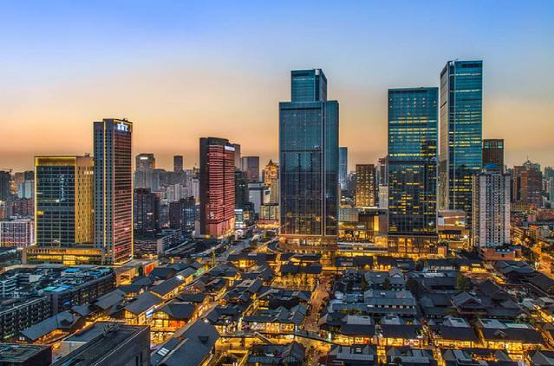
Moreover, numerous international luxury brands have also chosen to open coffee outlets in Chengdu. For example, Louis Vuitton (LV), Cartier, Ralph’s Bar under Ralph Lauren, and Café from Maison Margiela have all launched in Chengdu within the past year. These brands are no longer limiting themselves to Shanghai but are now viewing Chengdu as a key gateway to tap into China’s inland coffee market.
In fact, Chengdu has firmly established itself as China’s second-largest coffee-consuming city. Taking Starbucks store counts as a reference, in 2021, Shanghai had approximately 1,200 outlets, while Chengdu had around 210, showcasing its non-negligible market size and consumer strength.
In Chengdu, in addition to chain brands and luxury outlets, a large number of uniquely styled independent cafés also form a distinctive part of the urban landscape. The 2021 "Shanghai Coffee Consumption Index" released by the New First-Tier Cities Research Institute pointed out that independent cafés accounted for only 57.01% in Shanghai, while in Chengdu the figure was as high as 81.07%. Additionally, Meituan’s "2021 Chengdu Coffee Takeaway Consumption Report" showed that the local café business count grew by as much as 59% year-on-year, leading the nation.
Wangping Street, Mengzhuiwan, Tǎngbǎ Street, and Xiaotong Lane in Chengdu have become pilgrimage sites for many coffee enthusiasts. Particularly on Wangping Riverside Road, the area has over 70 commercial property owners, about 70% of which are coffee-related shops. Yulin Road and Fangcao Street are also affectionately referred to as “Little Shanghai” by locals due to their concentration of cafés.
Compared to Shanghai’s modern, minimalist, and high-end café styles, coffee spaces in Chengdu often integrate elements of the local teahouse culture, creating a more relaxed and lifestyle-oriented atmosphere. Many renovated old communities and creative parks have become the new homes for emerging coffee brands. Here, customers can enjoy the sunshine while savoring creative specials that blend coffee with tea-inspired flavors, forming a unique local culinary vibe.
For coffee-loving consumers, whether exploring in any city, choosing freshly roasted beans remains key to appreciating flavor profiles. It is recommended to pay attention to the origin of the beans, processing methods, and roast levels when trying coffees from different regions—this helps to better experience the layers and characteristics of each cup.
The above content is compiled by CoffeeHunters, a coffee news website.


