








Introduction:As specialty coffee beverages become increasingly refined, the choice of milk has emerged as a crucial factor influencing flavor, alongside coffee beans and brewing techniques. In recent years, "Jersey milk" has stood out with its high milk fat content, low lactose, and delicate texture, even earning the nickname "the Hermès of milks." This article will delve into a detailed comparison of the compositional differences between Jersey milk, regular fresh milk, and ice cream milk (冰博客), and through practical testing of Dirty and latte drinks, analyze its performance in coffee beverages, pros and cons, and suitable scenarios—helping you better understand how to choose the right milk to elevate your coffee’s flavor.
In the world of specialty coffee, whether a milk-based coffee can truly impress is not solely determined by the quality of the coffee beans or the barista’s technique; the choice of milk is equally pivotal. From the days when ice cream milk was the go-to, to today’s popular favorite, Jersey milk, competition among cafes over milk sources has intensified. With its reputation as the "Hermès of milks," Jersey milk comes at a price far above that of common fresh milk on the market, yet it remains the top choice for many high-end cafes. What makes it so special? What reasons lie behind its premium pricing? And what different flavor experiences can it bring when used in Dirty or latte drinks? Below, we conduct practical tests using three different types of milk, analyzing data such as milk fat, protein, and lactose content, to comprehensively evaluate the real-world performance of Jersey milk in coffee applications.
In today’s increasingly mature specialty coffee culture, consumers’ expectations for a milk coffee have moved beyond just “a beverage with coffee flavor.” From the early days when the primary goal was simply to mitigate coffee’s bitterness, to now emphasizing the harmonious layering between milk and coffee, milk has ascended to a key role within the drink. Among them, the Dirty—a classic combination of espresso and cold milk—has become a signature offering in many specialty cafes due to its ability to showcase the original flavors of the coffee beans while providing both visual and taste enjoyment. The key to a Dirty lies in utilizing the carbon dioxide and crema released by the espresso to form a mesmerizing layered effect when poured over icy milk, delivering an experience of alternating hot and cold sensations with layers of aroma unfolding progressively.

However, as consumer demands for layered effects and richer textures grow, traditional ice cream milk, though rich in milk fat and protein, involves a somewhat cumbersome freezing and purification process. Against this backdrop, Jersey milk has quietly risen to prominence, becoming a new favorite in the market. When discussing Jersey milk, one must mention its place of origin—Jersey Island in the UK. This small island is famous for breeding “Jersey cattle,” whose milk naturally contains higher levels of milk fat and protein, resulting in the unique aroma and rich mouthfeel of Jersey milk.
Compared to the more commonly known Holstein cows, Jersey cows produce less milk, but the milk is more refined and concentrated. Holsteins, which reproduce quickly and yield large quantities of milk, are the source of most regular fresh milk on the market, but their milk has relatively lower ratios of milk fat and protein, offering a less nuanced flavor profile than Jersey milk. Without undergoing any purification processing, Jersey milk can contain up to 4.9 grams of milk fat per 100 milliliters, along with 4.0 grams of protein—far surpassing the 3.9 grams of milk fat and 3.4 grams of protein found in regular commercial fresh milk. Compared to high-fat ice cream milk, which is specifically processed for high milk fat extraction and contains 5.5 grams of milk fat and 6.2 grams of protein, Jersey milk excels in retaining a natural freshness without requiring additional freezing or processing.

Another major advantage of Jersey milk is its relatively low lactose content—just 4.8 grams per 100 milliliters, lower than the 5.2 grams in regular fresh milk and 8.3 grams in ice cream milk. For consumers who wish to enjoy rich, creamy milk flavors while minimizing lactose intake, it is an ideal choice. Thanks to these exceptional characteristics, Jersey milk not only offers a richer mouthfeel, but also provides better support when making Dirty drinks, creating clearer separation between coffee and milk, and delivering a more complex and flavorful experience.
To verify Jersey milk’s performance in actual beverages, I selected three commonly available types of milk: “Xiangmanlou Jersey Milk,” “Weipin Jersey Milk,” and “Guangming Fresh Milk,” and used a well-balanced blend of beans (3:7 ratio of sundried Yirgacheffe Red Cherry and Honduran Sherry, featuring vanilla cream, berry acidity, and nutty aftertaste) to prepare Dirty and hot latte versions for comparison. In the Dirty test, Xiangmanlou’s Jersey milk showcased the coffee’s nutty and creamy aromas, but the berry acidity was less pronounced. Overall, it had a rich body, but the layers were somewhat blurred. Weipin highlighted acidity and sweetness, but its taste layers felt slightly thin. As for regular fresh milk, due to its lower milk fat content, the overall coffee flavor was more subdued, and the layering was also less distinct.
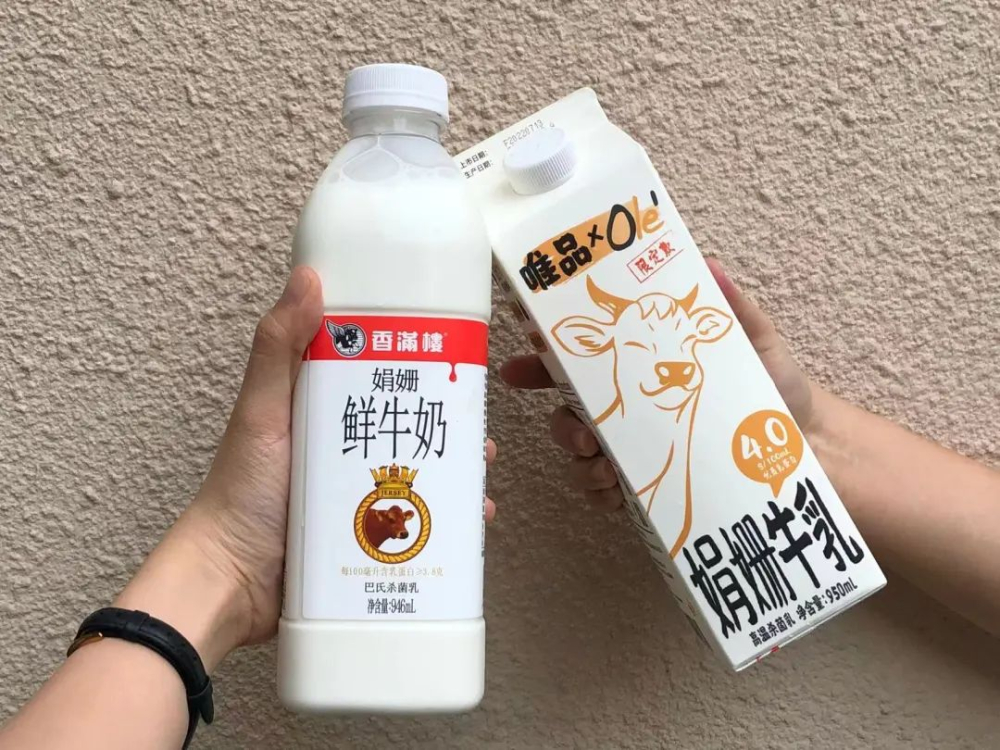
As for the hot latte portion, the three milks performed differently after heating and blending. Xiangmanlou’s Jersey milk developed a more noticeable milk barnyard aroma upon heating, which could easily overpower the coffee’s fragrance. Weipin, while prominent in sweetness, still carried a slight milky smell, requiring careful sipping to discern the coffee's true flavor. Regular fresh milk showed relatively neutral performance, not competing with the coffee’s flavors and effectively highlighting the vanilla cream and berry notes. When consumed on their own, both Xiangmanlou and Weipin Jersey milks displayed rich, sweet characteristics—the former with a solid texture, the latter smoother and sweeter—while regular fresh milk offered a balanced flavor, suitable for consumers who do not seek particularly distinctive tastes.
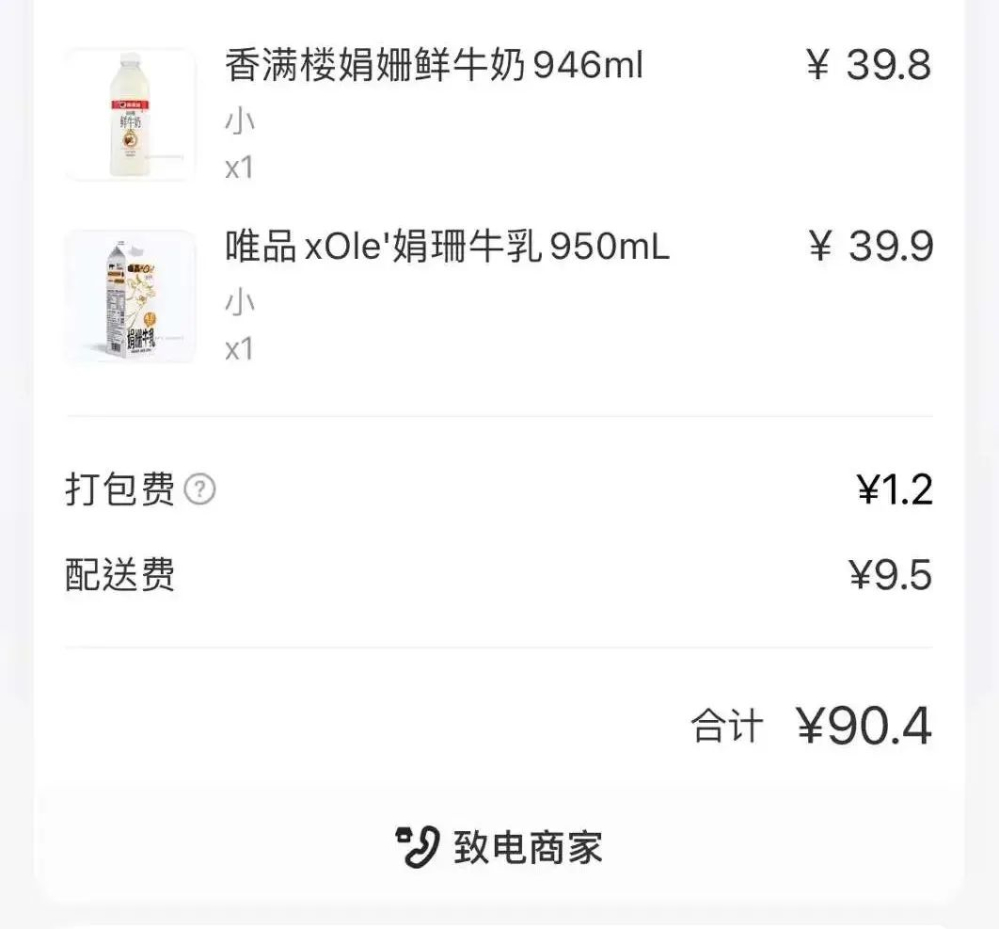
In summary, Jersey milk indeed offers certain advantages in both composition and taste, especially in beverages where showcasing the layering between coffee and milk is key—such as the Dirty—where it can provide a richer mouthfeel and clearer flavor transitions. However, its high price and specific pairing requirements also mean it may not perfectly suit every type of coffee. For everyday drinking or for cafes that use large amounts of milk in coffee preparation, Jersey milk may not be the most economical choice. Therefore, if you want to try Jersey milk, consider selecting coffee beans with specific flavor profiles, seeking combinations that complement its aroma and richness—it might offer a more complete experience of its unique charm.
Finally, if you’re simply curious and want to try the taste of Jersey milk, occasional enjoyment is certainly a treat—but it’s not recommended to use it excessively in daily milk coffee preparation just for the sake of “premium appeal,” as finding the perfect coffee match for it is not an easy task. And that high price may just be the reason you never buy it again.

The above content is compiled by CoffeeHunters, a coffee news website.


