







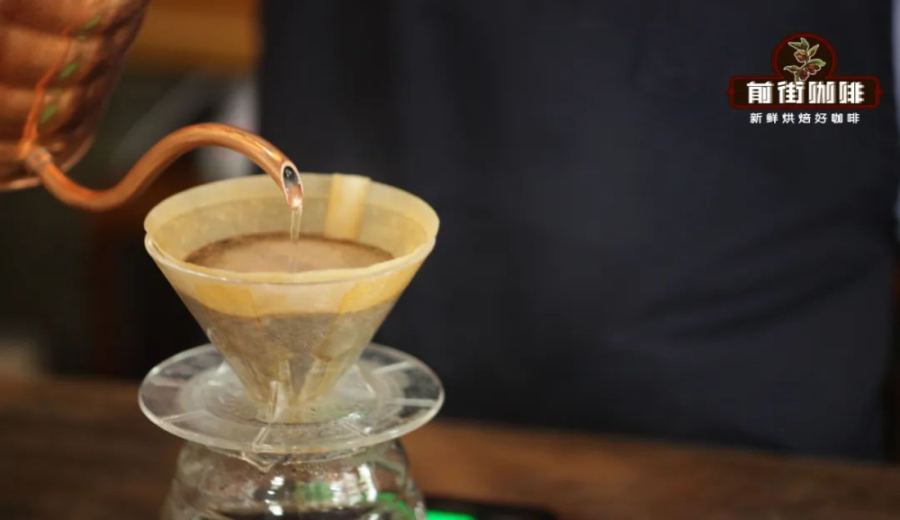
Introduction:The brewing method of pour over directly affects flavor expression. There are clear differences between pulse pouring (pouring in stages) and single-pour (pouring all water at once) in terms of extraction time, flavor complexity, and ease of operation. This article delves into the technical principles of both methods, comparing extraction efficiency, the release rhythm of acidic, sweet, and bitter compounds, as well as their compatibility with different coffee varieties, to help you find the most suitable brewing approach.
In the world of pour over, the water pouring strategy after the bloom phase is key to determining the flavor direction of a cup of coffee. Many coffee enthusiasts often face a choice: should they use the "single-pour" method, where all the water is poured at once, or divide the pouring into multiple stages? These two techniques each have their pros and cons in terms of extraction time, flavor release rhythm, and operational flexibility.
Pulse pouring, by controlling the water flow in stages, can effectively extend the overall extraction time—usually by about 10 to 15 seconds compared to single-pour. This extended time allows for a more thorough release of acidic, sweet, and bitter substances in the coffee, particularly making acidity and sweetness more pronounced, thereby enhancing the overall flavor complexity and balance. However, too many pulses may lead to an overly wet coffee bed or uneven water flow; generally, two to three stages are recommended for beginners or everyday brewing.
The term "pulsing" refers to dividing the post-bloom pouring into several stages, with pauses between each. If all the water is poured in one go after the bloom, it is referred to as "single-pour"; whereas any method that involves multiple pours after the bloom—whether divided into two, three, or more stages—falls under the category of pulse pouring.Image location: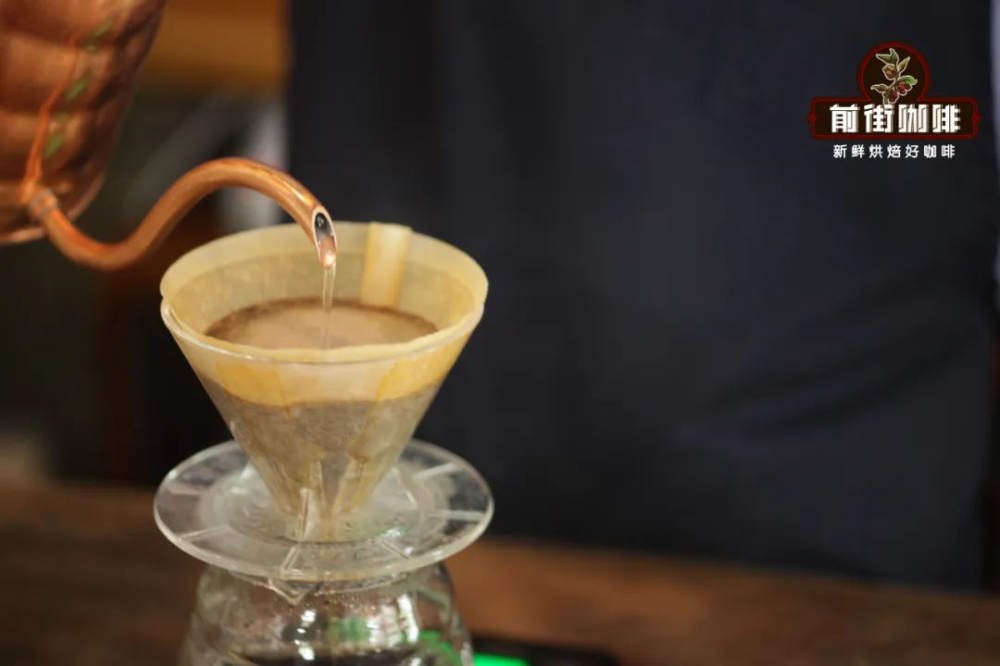
The first clear advantage of pulse pouring is that it naturally extends the overall extraction time. This extended window allows different flavor compounds—especially acidity and sweetness—more time to be released. Generally, acidic compounds are extracted more quickly in the early stage, sweetness follows shortly after, while bitterness tends to emerge later in the process. By controlling the timing in stages, one can more precisely capture the optimal release moments of these compounds, avoiding over-extraction or under-extraction.
Furthermore, pulse pouring also helps improve the efficiency of water flow in agitating the coffee bed. With a single-pour, the main stirring and mixing effects are concentrated in the early extraction phase (roughly between 30 to 80 seconds). But if divided into two stages—for example, the first pour between 30 to 55 seconds and the second between 70 to 95 seconds—it creates two distinct agitation phases of the coffee bed, which helps enhance overall extraction uniformity.
For brewing beginners, pulse pouring offers greater margin for error and operational flexibility. Suppose you set the total extraction time at two minutes—if the initial pouring speed is too fast, adjustments can be made in the later stages by modifying the water flow rate or pouring duration. In contrast, with single-pour, if the initial pouring is too fast or too slow, it’s often hard to compensate effectively later on, easily leading to uneven extraction or flavor imbalance.
So, how many stages is most appropriate? In practice, most coffee enthusiasts and professional competitors opt for two or three pouring stages. This number of stages can effectively control extraction time and also allows fine-tuning based on different coffee origins or roast levels, reducing extraction parameter errors.Image location:
It’s worth mentioning that in recent international competitions, some competitors have employed extreme pulse techniques of up to four stages (five including the bloom), aiming to maximize the extraction of flavor compounds and deliver more delicate and complex taste layers. However, such high-stage techniques demand very high standards in coffee bean quality, grind size, and brewing skill. If the beans have more defects or grind consistency is poor, it may instead bring out unpleasant bitter or off flavors.
Taking into account both ease of operation and flavor performance, it is recommended that general coffee enthusiasts start practicing with two or three pouring stages. Once familiar with water flow control and time management, they can then gradually adjust the pulsing strategy according to personal taste preferences. While single-pour is simple to execute, it is more limited in terms of flavor detail and adjustment flexibility, making it better suited for those with some experience who are pursuing a specific style. By understanding these basic differences, you will be able to more confidently choose the most suitable pouring method based on the characteristics of your coffee beans, and brew an ideal cup of coffee.
The above content is compiled by CoffeeHunters, a coffee news website.


