







Introduction:The competition in the new tea beverage market is fierce, and brands continue to roll out innovative marketing strategies to capture consumers’ attention. From early collaborations with niche fruits to the now-popular milk tea scratch cards, blind box lotteries, and even generous giveaways of gold and cars, what psychological principles lie behind these tactics? This article takes an in-depth look at the lottery marketing trends among new tea beverage brands, helping readers understand how these creative activities stimulate consumption and exploring consumer choices amid intense marketing competition.
With the arrival of summer, chilled tea drinks have once again become a favorite among consumers. Faced with fierce competition from numerous new tea beverage brands, each brand is pulling out all the stops in their marketing efforts. What began with niche fruits and limited-edition collaborations has gradually evolved into eye-catching milk tea scratch cards, blind box lotteries, and even direct giveaways of major prizes such as gold, lottery tickets, and cars—marketing methods that are truly diverse and endless.
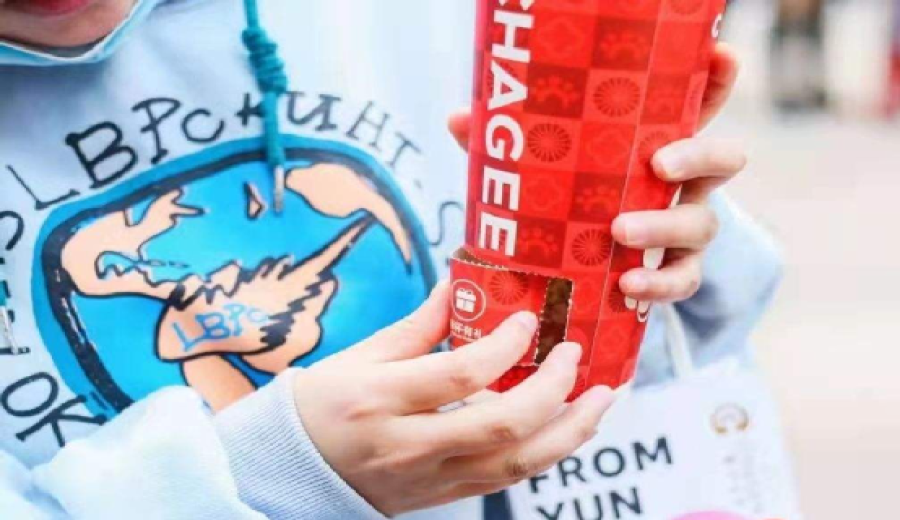
Take Suge Fresh Fruit Tea as an example. Leveraging its newly launched yellow-skinned plum series, the brand launched the “Drink Yellow Plum, Scratch Real Gold” campaign. Customers who purchase either the “Juicy Sweet Yellow Plum” or “Savory Salty Yellow Plum” can receive a scratch card. It’s reported that prior to the event, the brand also released photos on social media platforms showing packaged gold, emphasizing the authenticity of the prize, which successfully sparked widespread discussion.
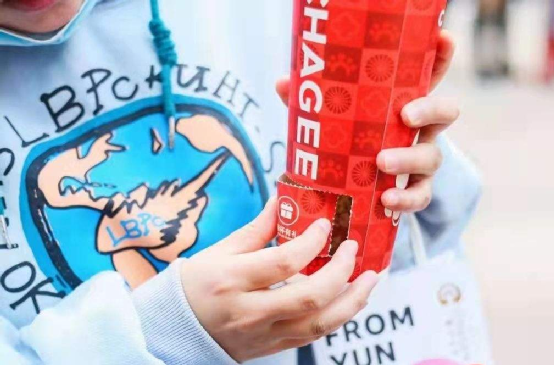
The reason why these types of scratch cards, lottery tickets, and blind box lotteries can continuously attract consumers lies in the thrill and sense of participation brought about by “eliminating uncertainty.” Before the draw, consumers often experience alternating feelings of anticipation and anxiety. This psychological contrast is addictive and also evokes a gambling-like fun experience.
In addition to Suge Fresh Fruit Tea, leading players in the new tea beverage market, such as HEYTEA and Nayuki, are also actively employing such marketing techniques. HEYTEA’s “Juicy Apricot Luck Peach” not only plays on the homophone “杏运” (xing yun, meaning “good luck”) with “杏运” (xing yun), but also includes vintage-style peel-off cards with a chance to win a “free refill” reward. Nayuki, on the other hand, introduced “Dominant Little Apricot Luck,” using “小确杏” (xiao que xing, echoing the popular term “小确幸” or “little certainties of happiness”)—purchasing the new drink comes with a Chinese Welfare Lottery ticket, successfully appealing to young people seeking good fortune.
These activities not only add enjoyment to the purchasing experience but also cleverly tap into consumers’ “what if I win” mentality. Even if they don’t hit the jackpot, most people maintain an optimistic attitude of “it’s the taking part that counts” or “at least I get to enjoy a delicious milk tea,” which further boosts brand loyalty.
Beyond the above methods, some tea beverage brands are also launching targeted marketing campaigns for specific consumer groups. For instance, Fatea’s milk tea blind boxes offer customers the chance to win lipsticks from well-known brands such as Chanel, Hermès, and YSL, successfully attracting female customers focused on beauty and showcasing a high degree of market segmentation capability.
As marketing tactics become increasingly competitive, some brands are even offering even more surprising rewards—cars. One tea beverage brand launched the “Drink Tea, Win a Wuling” campaign, which was not only highly topical but also saw related videos on Douyin surpass one million views, demonstrating strong online visibility and enthusiastic participation.
The phenomenon of internal competition (内卷) in the new-style tea beverage industry is nothing new. From making products more affordable and emphasizing quality ingredients, to now sparing no expense on lottery campaigns and giving away various prizes including gold, lottery tickets, and cars, the creativity and investment of these brands have reached new heights. However, whether consumers will continue to engage or gradually shift their focus back to the flavor of the products themselves will be a key point to watch in the future.
In this race of marketing internal competition, brands continue to push the boundaries of creativity. What other stunning marketing moves will emerge next? This is something all consumers and industry insiders should keep a close eye on.
The above content is compiled by CoffeeHunters, a coffee news website.


