







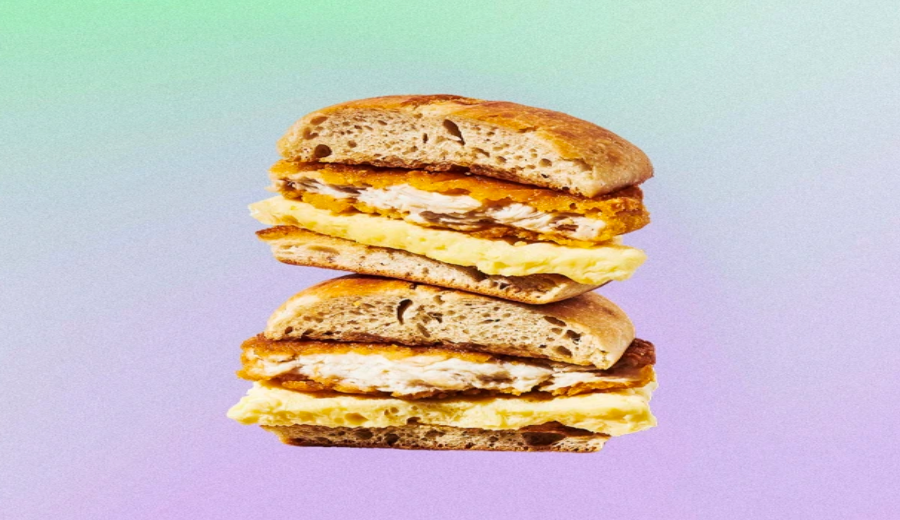
Introduction:In early summer 2024, a maple cream chicken and egg sandwich from U.S. Starbucks caused multiple consumers to experience discomfort such as diarrhea and vomiting after consumption, with even cases of Listeria infection being reported. Starbucks delayed pulling the product off shelves for a whole week, sparking widespread public backlash. This article will outline the timeline of the incident, analyze potential food safety loopholes across stages from ingredient handling, frozen transportation to in-store reheating, and offer practical advice for consumers to identify risks in fast food products.
In mid-June 2024, U.S. Starbucks launched a chicken and egg sandwich featuring a maple cream flavor, marketed as convenient, quick, and filling. However, shortly after its release, consumers and baristas began reporting on social media platforms that eating the sandwich led to symptoms resembling food poisoning, such as abdominal pain, diarrhea, vomiting, and even stomachaches. Some users even suspected they had contracted Listeria, with severe cases unable to maintain regular routines for days. Yet Starbucks did not respond directly to these issues in the beginning.
About a week after the incident began, seeing more and more employees and customers sharing similar negative experiences on social platforms, Starbucks finally issued an urgent internal notice on June 28, instructing all U.S. stores to immediately stop selling and dispose of the sandwich. The notice emphasized that the product must not be donated or repurposed in any way, but must be destroyed directly. However, Starbucks never publicly disclosed the reason for the recall, leading to further speculation.
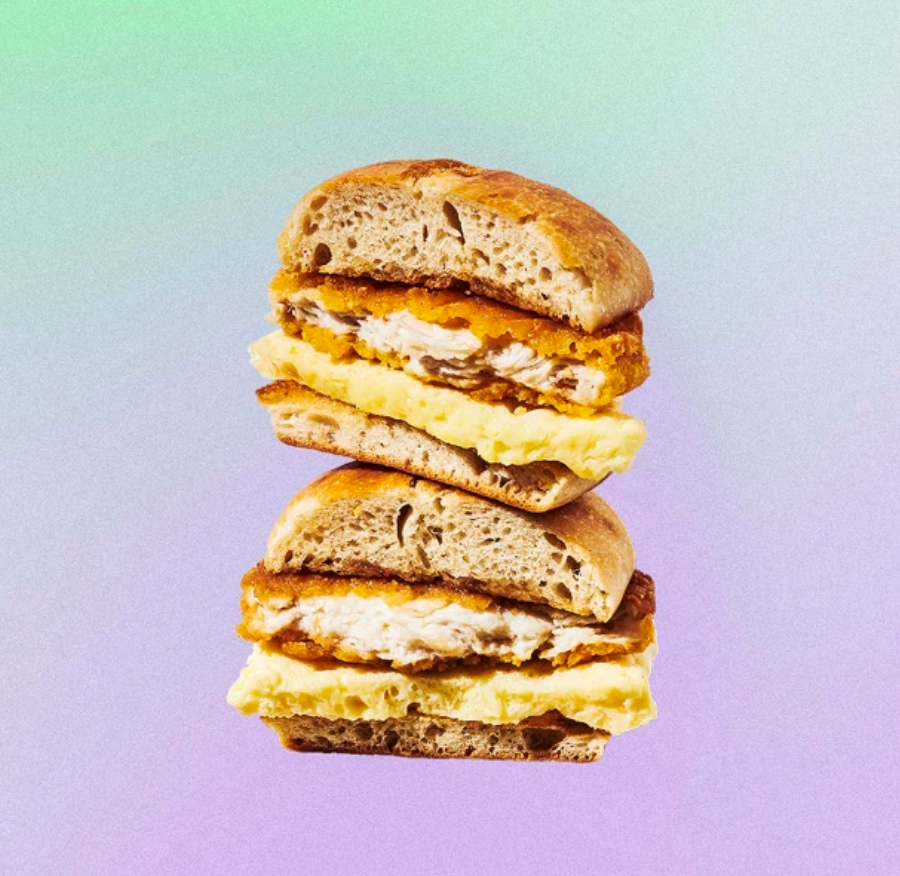
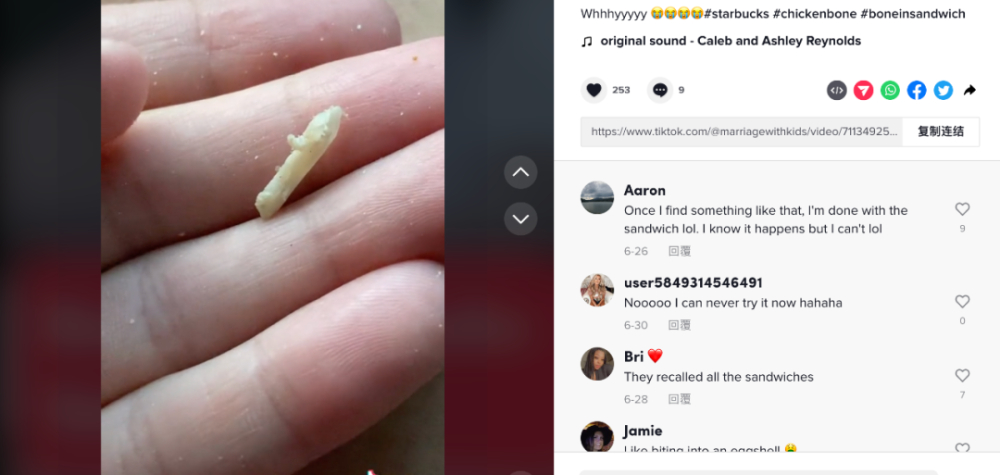
As early as the product’s launch day on June 21, some consumers left online comments mentioning they bit into unidentifiable bone fragments while eating. Others complained that the heated sandwiches they received still contained chicken patties in an icy, underheated state. One netizen even stated they experienced “the worst diarrhea of their life” after eating the sandwich, describing “spending two full days in the bathroom.” Despite the overwhelming negative feedback, Starbucks initially did not actively address the complaints.
It wasn’t until June 22 that a consumer, who had been suffering from persistent diarrhea and vomiting, sought medical attention. The doctor diagnosed the symptoms as resulting from Listeria infection due to undercooked chicken. This individual then shared their medical experience online, gradually sparking a public uproar. Faced with mounting criticism, Starbucks only quietly instructed all stores to halt sales of the product via internal channels on June 28, yet remained silent externally.
Starbucks’ “passive handling” prompted more discussion. A barista posted on TikTok publicly questioning why the product was suddenly taken off shelves, and netizens responded in comments such as “many people got sick from it” and “bit into large chunks of undercooked bones.” The short video quickly accumulated millions of views, escalating what was initially a small-scale complaint into a full-blown food safety issue under widespread public scrutiny.
Under public pressure, a Starbucks official spokesperson finally responded to the media on July 1, but the statement only added to the confusion. The representative insisted that “all online claims of physical discomfort caused by consuming the product are untrue,” and emphasized that Starbucks conducted internal tests after removing the product from shelves, “finding no potentially pathogenic bacteria.” Various patient reports were categorized as “misinformation.” Additionally, Starbucks stated that as of July 1, the U.S. Food and Drug Administration (FDA) had not received any formal complaints, hence no recall procedure had been initiated. The removal was purely a “precautionary decision based on consumer feedback.”
Industry experts hold varying views. Brian Hitchcock, Deputy Director of the Illinois Institute of Food Technology, pointed out via email that Starbucks’ prompt action in removing the product upon discovering quality issues was “commendable.” He also reminded that every stage—from ingredient cooking, frozen packaging, logistics transportation, to in-store reheating—is key to food safety, and any single lapse could lead to bacterial growth or cross-contamination. Starbucks, on the other hand, emphasized that the sandwich is uniformly cooked and frozen at a central factory before distribution, and is reheated to “fully hot” before serving at stores, which should theoretically effectively prevent the risk of foodborne illnesses.
However, such explanations did not ease consumer concerns. Many netizens on social platforms expressed that without the amplification effect of social media, ordinary consumers would have no way of knowing the potential risks of the product, let alone pursuing the issue proactively. “Unless consumers file a class-action lawsuit, companies might continue to use customers as guinea pigs.” This incident also highlights that there are still many blind spots in the cold chain and composite material reheating processes within the fast food industry, serving as a warning to all coffee and light meal consumers.
The above content is compiled by CoffeeHunters, a coffee news website.


