







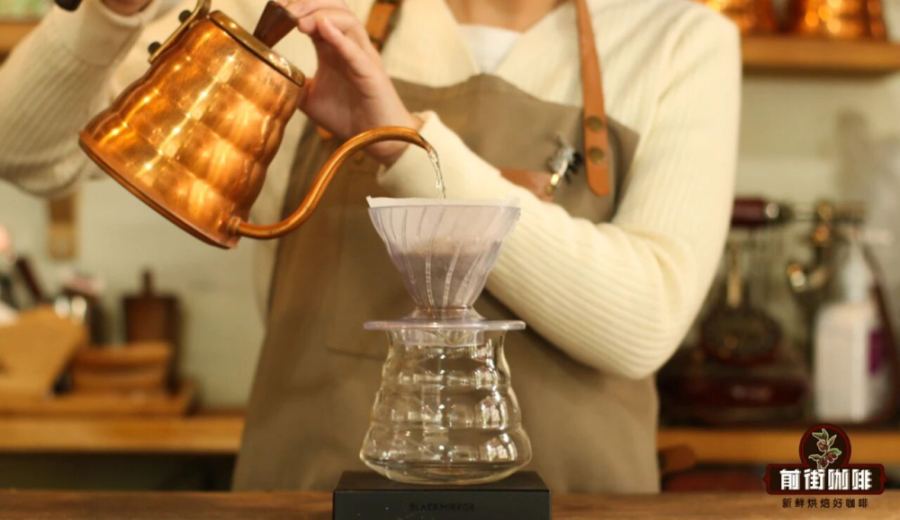
Introduction:The French press is the go-to brewing tool for many coffee beginners stepping into the world of self-brewing. Its intuitive operation and fewer variables allow even enthusiasts without professional techniques to consistently extract coffee with balanced flavors. This article delves into the key extraction parameters of the French press, including grind size, coffee-to-water ratio, water temperature control, and steeping time. It also analyzes the differences in extraction principles between the French press and pour over coffee, helping readers find the brewing method that suits them best. The article concludes with practical case studies to combine theory with hands-on practice.
Many coffee lovers who struggle with pour over techniques often seek simpler and more stable brewing options. The French press is just such a tool—it doesn’t require complicated techniques or precise pouring control. By mastering just a few core parameters, you can brew a layered cup of coffee in the easiest way possible. This article will take you deep into the various settings of the French press, including the ideal grind size, recommended coffee-to-water ratio, suitable water temperature range, and optimal steeping time. It also compares the differences in extraction philosophy between the French press and pour over, helping you better understand why the French press is suitable for all types of coffee beans and is a great companion for beginners.
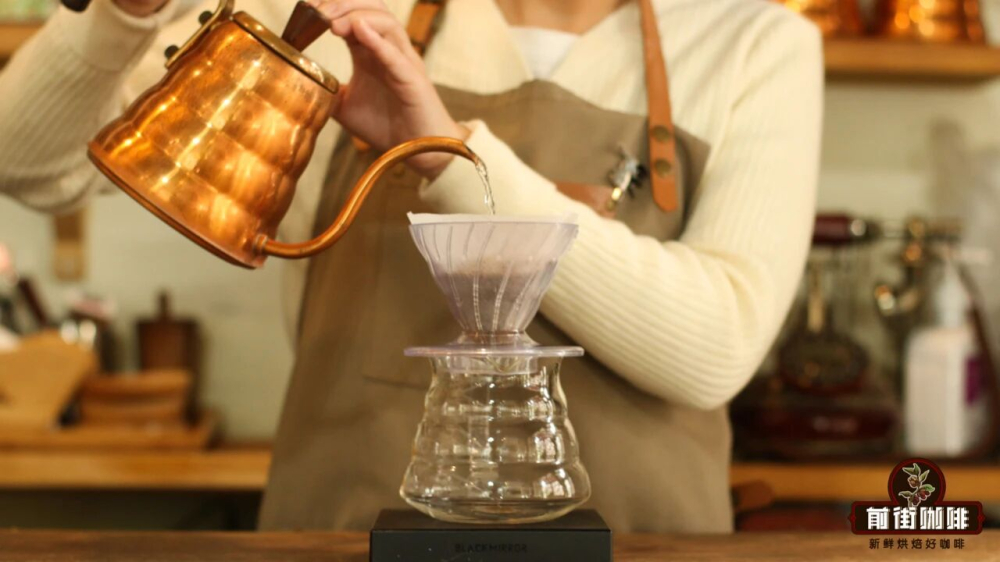
Many beginners in self-brewing often report that while pour over coffee may seem simple, it actually demands high precision in grind size, pouring, and water flow. Even slight deviations can easily affect the overall flavor. If you have similar concerns, consider shifting your approach and trying the French press instead. Compared to pour over, which relies on complex operations and techniques, the biggest advantage of the French press lies in its fewer variables and lower interference. By steadily controlling just a few main parameters, you can consistently extract satisfying flavors from almost any type of coffee bean.
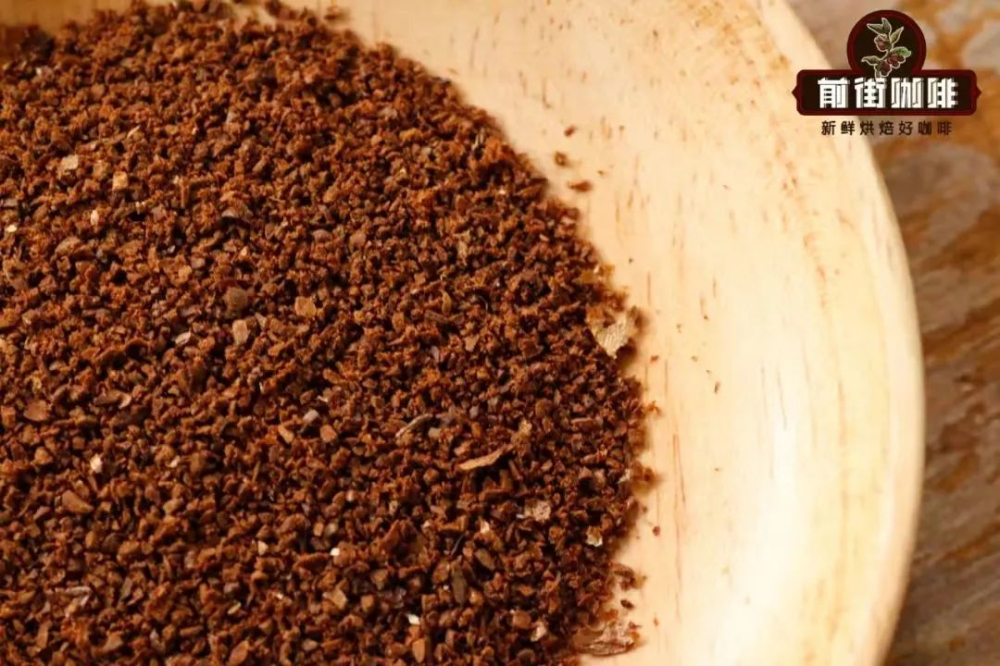
Let’s start with grind size. In coffee brewing, grind coarseness is one of the key factors determining extraction efficiency, and the French press is no exception. Generally speaking, the grind size for a French press should be slightly coarser than that for pour over. Using a common #20 sieve as a reference, the passing rate is around 70%, meaning the resulting coffee grounds are roughly the size of coarse table sugar. Some pour over enthusiasts adjust grind size based on the roast level of the beans—finer for light roasts and coarser for dark roasts—but this isn’t necessary with the French press. Since the French press uses an immersion brewing method, adjusting the steeping time effectively controls flavor release. Therefore, whether you’re using medium-light or medium-dark roasted beans, you can use roughly the same grind size, significantly reducing the burden of memorization and operation. This is also one of the reasons why the French press is more hassle-free compared to pour over.
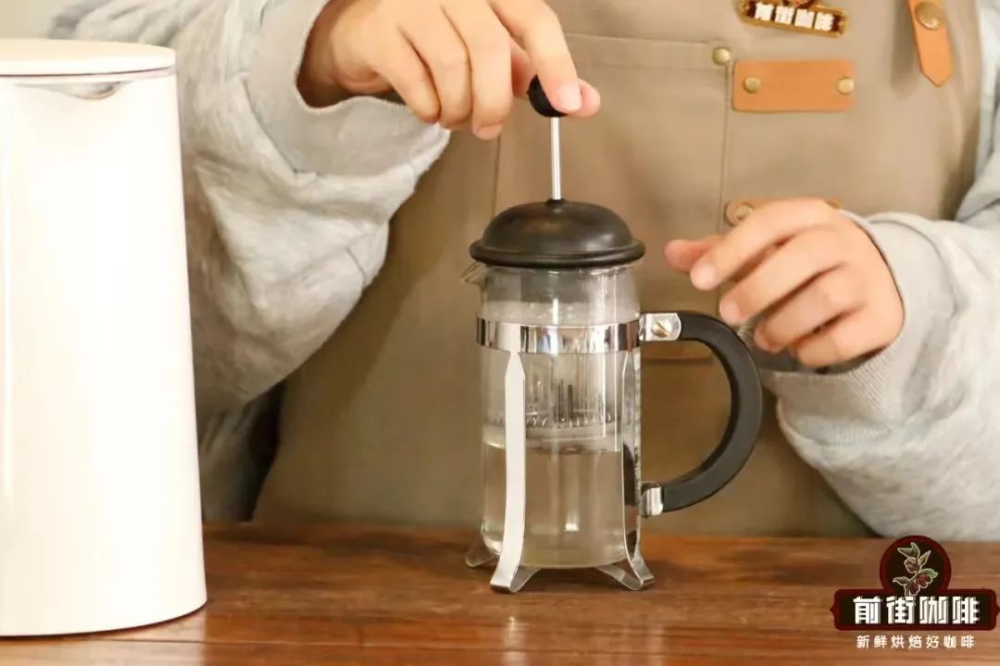
Regarding the coffee-to-water ratio, it’s recommended to start with a baseline of 1:16, which means 15 grams of coffee grounds to 240 milliliters of water. This ratio usually yields a coffee liquid with a concentration of around 1.1% to 1.2%, offering a balanced and smooth taste. If you prefer a richer and fuller flavor, you can reduce the ratio to 1:15 to make the coffee flavors more intense.
Water temperature control is equally crucial. Since the French press typically involves pouring hot water all at once and then starting the steeping process, the actual brewing temperature gradually decreases over time. Therefore, the recommended initial water temperature is slightly higher than that for pour over. For medium-light roasted beans with pronounced acidity, such as some African origin beans, it’s recommended to use water at 93 to 94°C. For medium-dark roasted beans with a richer body and lower acidity, such as certain beans from South America or Indonesia, the water temperature can be lowered to 89 to 90°C to reduce the risk of over-extraction.
In terms of time control, the French press offers relatively flexible leeway. Since there’s no need for manual stirring to accelerate extraction, it’s recommended to let the coffee grounds sit in hot water for 3 minutes and 30 seconds to 4 minutes, allowing sufficient time for the flavor compounds to be released. Generally, medium-light roasted beans can opt for the longer 4-minute steeping time, while medium-dark roasted beans are better suited to 3 minutes and 30 seconds to avoid extracting excessive bitterness and off-flavors due to over-steeping.
Here’s a practical brewing process you can follow: Choose a medium-dark roasted bean, such as the Yellow Bourbon from Brazil Queen Estate. First, weigh out 15 grams of coffee beans and grind them using an EK43s grinder at setting 11. This grind coarseness roughly matches a 70% passing rate through a #20 sieve. Pour the ground coffee into the French press, then add 240 milliliters of hot water at around 90°C. Lift the plunger inside the press, cover the lid, and let it steep for 3 minutes and 30 seconds. Once the time is up, slowly press down the plunger to settle the floating coffee grounds at the bottom. Finally, it’s recommended to pour out all the coffee liquid at once to avoid residual liquid continuing to release excessive bitter components.
When brewing coffee with a French press, it’s common to see a layer of fine oils floating on the surface, along with some fine coffee particles—this is completely normal. Since the French press filter is made of metal with larger pores, some tiny coffee particles and oils can pass through. These oils add richness to the mouthfeel of the coffee, while the fine particles can be gently shaken or left to settle briefly before drinking to ensure a smoother drinking experience. In summary, the French press brewing process is very simple and intuitive. Once you’ve set the grind size, ratio, water temperature, and time, you just need to follow the steps of adding coffee, pouring water, waiting, pressing, and pouring out to enjoy a stable and well-balanced cup of self-brewed coffee.
The above content is compiled by CoffeeHunters, a coffee news website.


