







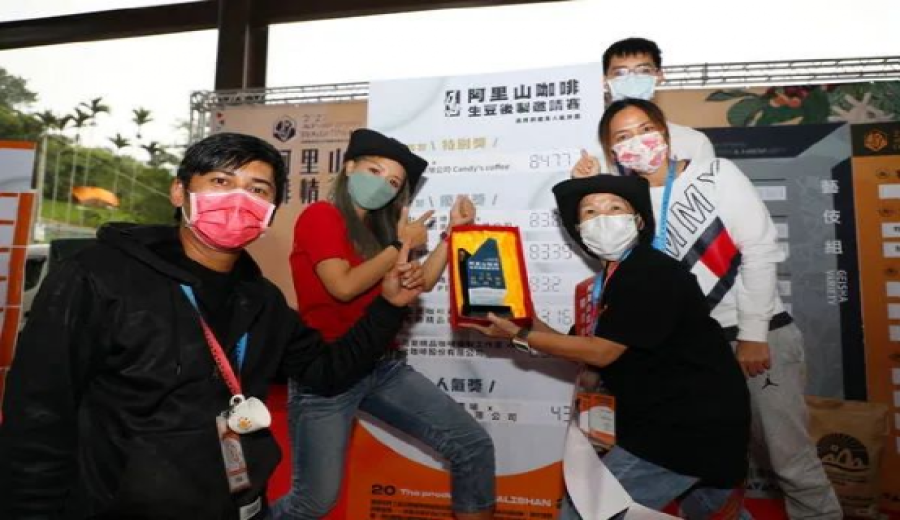
Introduction:In the specialty coffee community, award-winning beans from competitions are often seen as a mark of quality. However, a local Taiwanese coffee bean evaluation event was thrown into chaos due to a system malfunction that scrambled codes and rankings — turning a Grand Prize into a Gold Award and drawing widespread attention. This article delves into the incident, the organizers’ response, and how such oversights can impact the credibility of competitions, helping readers better understand how to view competition results and choose award-winning coffee beans.
Globally, the sheer volume of coffee beans produced each year is staggering, with diverse growing regions and processing methods creating a rich and varied flavor spectrum. To avoid the randomness of trial and error, many coffee enthusiasts prioritize award-winning beans — ensuring quality while enjoying representative flavors. For coffee farmers, competition rankings are also a key way to boost the price of their green beans and gain international visibility.
However, an unexpected incident occurred during a local specialty coffee bean evaluation held in Yunlin County, Taiwan in early July 2022. The originally announced list of winners was thrown into disarray due to a computer system failure that severely mixed up participant and coffee bean codes. As a result, some award levels did not match the actual results, with cases even emerging where Grand Prizes were mistakenly listed as Gold Awards — drawing concern from all sides.
According to local media reports, the initially announced list on July 3rd declared that Fruit Language Workshop won the Grand Prize in the washed process category, Lai Lin Furong (Shibi) took the Grand Prize in the natural process category, and Likuan Biotech secured the Grand Prize in the honey process category. But soon after, some participants noticed that the coffee beans they received did not match the samples they had originally submitted, sparking doubts about the accuracy of the results.
Some judges later pointed out that based on the published results, the washed process champion was supposed to be a Geisha variety, but upon tasting the winning sample, it was clear that it wasn’t Geisha. This glaring discrepancy prompted the organizers to urgently convene a meeting for a re-evaluation. On July 4th, the Yunlin County Government quickly activated an emergency response mechanism, gathering chief judges and organizing units to thoroughly investigate the root cause of the issue.
On July 5th, event staff cross-referenced the original sealed paper records, re-measured the moisture content and density of each coffee bean entry, and re-ranked them according to the correct codes and evaluation scores. A clarification meeting was eventually held to publicly announce the corrected list of winners to all participants, ensuring that each contestant’s efforts were fairly represented.
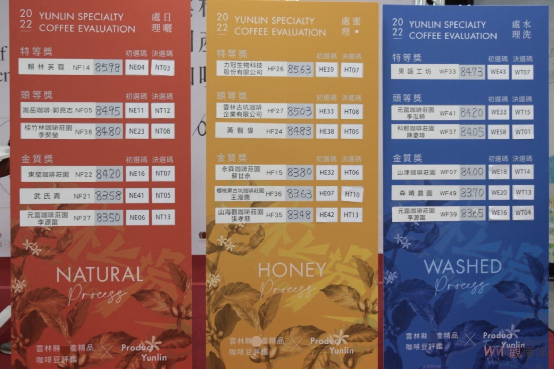
The organizers later explained that the ranking errors were due to a computer system malfunction that caused confusion in the correspondence between participants and coffee bean codes. Additionally, the error in the uploaded results was not discovered in time, leading to the incorrect listings. The organizers did not request repayment of prize money from those who had already received awards, but for winners whose prize amounts were reduced due to the ranking changes, the organizers promised to issue the difference as compensation.
For participants, competition rankings are not only an affirmation of product quality but also a crucial basis for marketing. Many winners use their outstanding results as promotional highlights and adjust their product pricing accordingly. Although the organizers promptly corrected the rankings and issued supplementary prize money, the process may still have impacted the overall credibility of the event and consumer confidence, potentially affecting the broader reputation of coffee beans from the region.
One participant, when interviewed, stated that although it was the first time encountering such an incident, they understood that system issues can happen. To prevent similar occurrences in the future, the local government emphasized the establishment of stricter oversight mechanisms. Some industry players also suggested that future competitions should implement higher-standard procedural guidelines — such as requiring award-winning beans to provide origin certificates for double verification after rankings are announced — to enhance transparency and credibility in the competitions.
The above content is compiled by CoffeeHunters, a coffee news website.


