







Introduction:Nayuki Tea was fined by market regulators after claiming that its "wild sweetheart" mulberries were actually cultivated by farmers, reigniting concerns over the marketing integrity and product transparency of new-style tea beverage brands. This article details the ins and outs of the incident, reviews the brand’s past food safety and marketing controversies, analyzes the balancing act between cultural marketing and trust-building for new tea businesses, and offers insights for sustainable brand development.
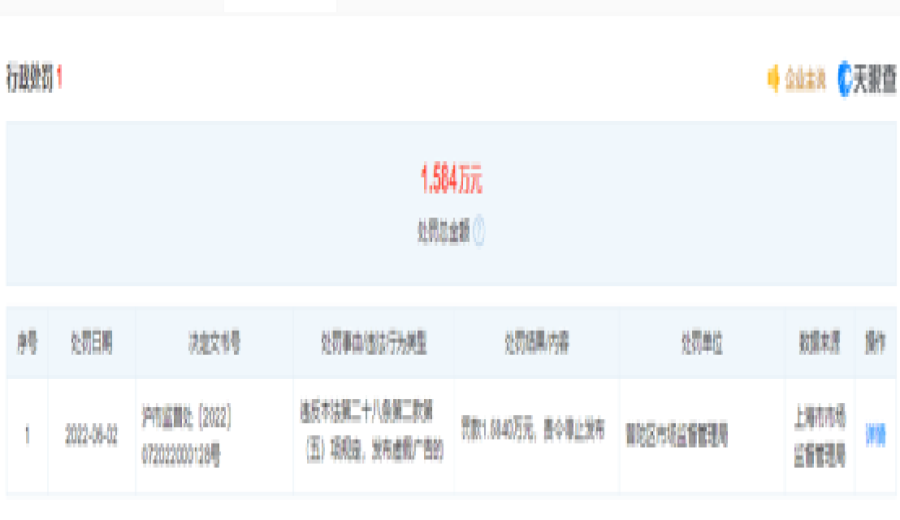
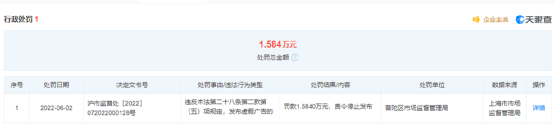
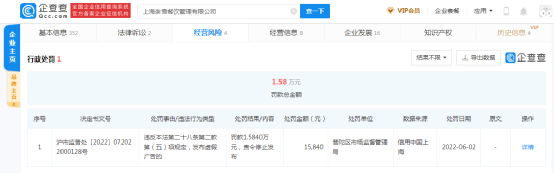
China’s new-style tea beverage brand Nayuki Tea was fined approximately ¥15,800 by the Putuo District Market Supervision and Administration Bureau in Shanghai for an advertisement regarding “wild” mulberry ingredients that did not match the facts. When promoting its 2022 spring new product “Dominant Black Mulberry,” the brand used phrases such as “wild sweetheart,” leading consumers to believe the product was made with wild mulberries. In reality, all the mulberries used were sourced from farmer-cultivated ingredients supplied by Nanjing Kangyuan Agricultural Technology Co., Ltd.
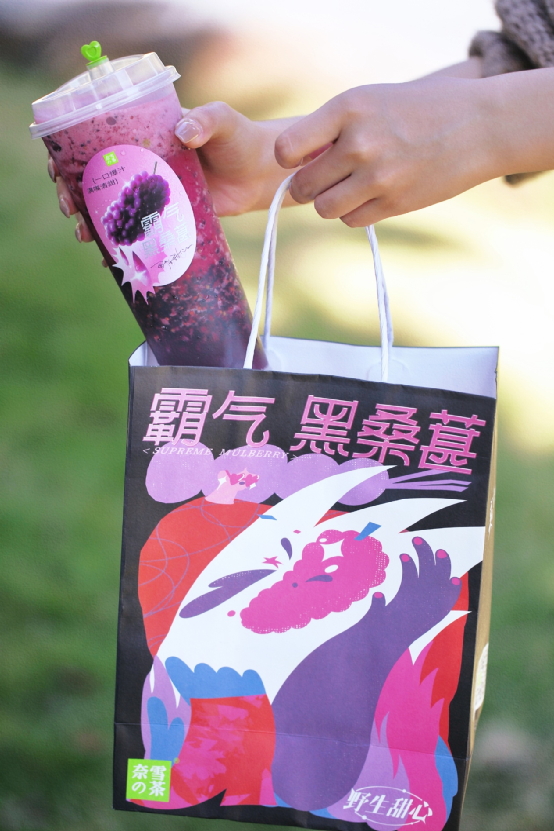
The advertisement appeared in various forms, including in-store digital screens displaying “Dominant Black Mulberry, Wild Sweetheart, Bursting with Juice, Mouthwateringly Sweet,” identical text on price lists, and printed on the tote bags given out with orders. After verifying the facts, market regulators ordered the brand to immediately cease the illegal activity and imposed penalties accordingly. The product in question, “Dominant Black Mulberry,” along with the related “Dominant Cheese Black Mulberry,” were taken off shelves on March 31, 2022.
In fact, this is not the first time Nayuki has drawn attention for operational or promotional issues. Since its listing on the Hong Kong Stock Exchange in June 2021, the brand has repeatedly been at the center of public debate over food safety and advertising matters. For example, in August 2021, a Beijing outlet was exposed for hygiene hazards, including cockroach infestations, poor-quality fruit, use of unclean cloths, and inaccurate labeling. Then in October of the same year, a Shanghai outlet was fined ¥50,000 for selling products with falsely labeled production dates or expired food.
In May 2022, a Tianjin outlet was also fined ¥5,000 for using expired milk. Moreover, the brand has frequently become a trending topic on social media due to product or service issues, leading consumers to question its product quality and brand trustworthiness.
The new-style tea market is highly competitive, and Nayuki positions itself in the mid-to-high-end market with relatively higher prices per cup. However, repeated quality control and promotional mishaps have put significant pressure on the brand to expand its consumer base and retain loyal customers. The brand originally hoped to build emotional connections with younger consumers through culture, art, and social elements—for instance, collaborating with design magazine BranD, participating in art exhibitions, and enhancing product visual and emotional appeal with transparent cups and creative illustrations.
Additionally, the brand has employed internet marketing tactics such as puns, memes, and avatar updates to connect with Gen Z. For example, it launched a peach-themed avatar line that resonated with the “emo” and “lying flat” mentality of young people. This approach was later imitated by competitors such as Mixue Ice Cream & Tea, showing that its community engagement attempts had a certain impact.
However, according to publicly available financial reports, Nayuki recorded a net loss of ¥4.526 billion in 2021, indicating that even with innovative marketing strategies and brand visuals, without robust supply chain management and a foundation of consumer trust, it remains difficult to achieve steady growth in the market. Chinese food industry analyst Zhu Danpeng pointed out that the future key to competition for F&B brands lies in the completeness of the supply chain, and solid store operations are the cornerstone that supports supply chain efficiency and cost control.
In search of a new growth model, Nayuki established a subsidiary, Shenzhen Nayuki Tea Technology Co., Ltd., in June 2022. Its business scope expanded to include catering management, internet sales, agricultural by-products, and tea products, signaling the brand’s attempt to transition from single-product beverage sales to a more comprehensive consumer ecosystem. Notably, the brand also closed its once flagship “Nayuki Dream Factory” flagship store and introduced an upgraded concept store called “Nayuki Life,” aiming to more holistically integrate into consumers’ daily lives.
In summary, Nayuki Tea’s fine for misleading “wild” mulberry advertising serves as another reminder to new-style tea beverage brands that while pursuing creative marketing and cultural added value, they must also prioritize product information transparency and the establishment of consumer trust. Only by controlling quality at the source and dealing honestly with consumers can they continue to move forward in a fiercely competitive market and earn long-term loyalty and market standing.
The above content is compiled by CoffeeHunters, a coffee news website.


