







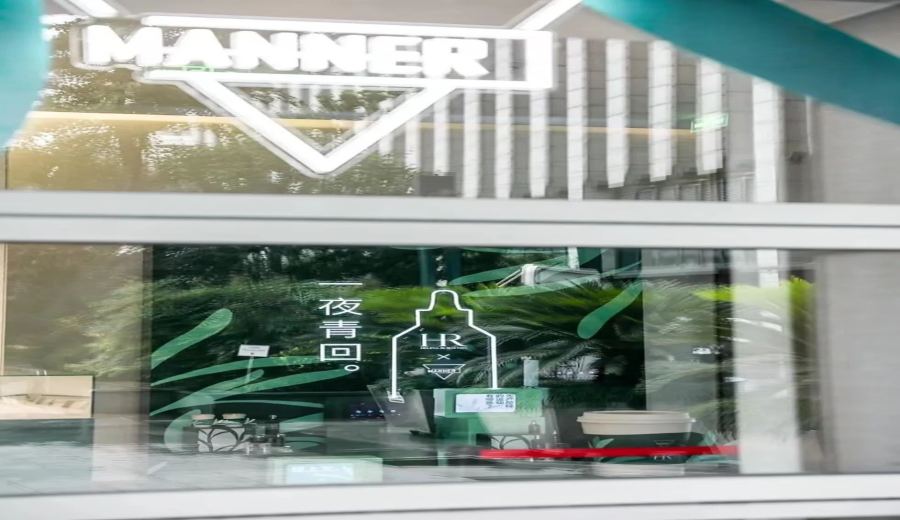
Introduction:When an affordable coffee brand collaborates with a high-end skincare brand, what seems like an innovative cross-industry partnership instead sparks strong backlash from consumers. This article dissects the execution details of Manner Coffee’s collaboration with L’Oréal’s premium skincare brand HR—Helena Rubinstein’s Green Vitality Bottle, the “One Cup, Youth Reclaimed” campaign, analyzing five common pitfalls in cross-industry collaborations—from packaging design and campaign rules to technical support—and offering practical advice to help brands avoid similar traps.
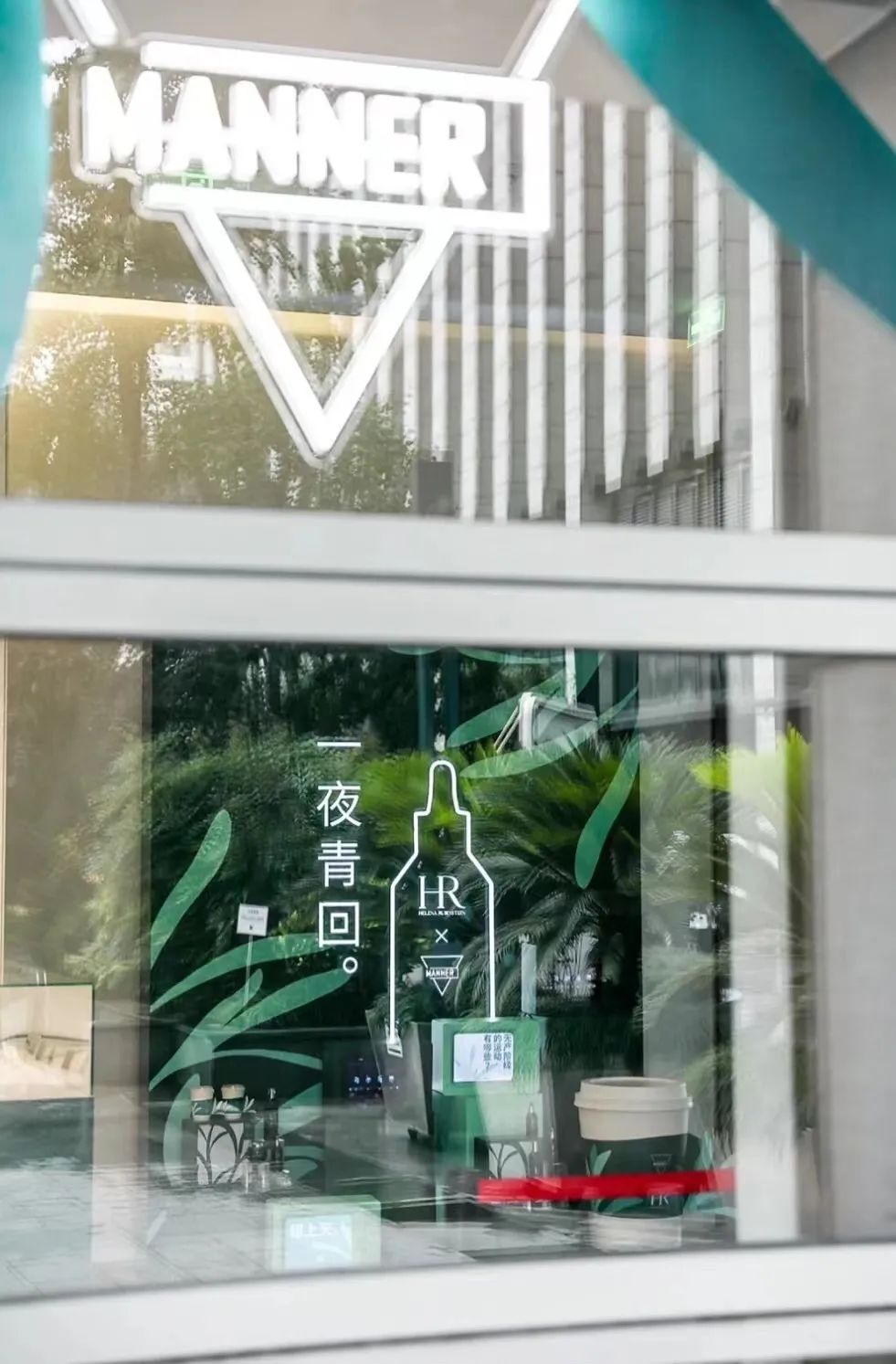
On June 24, 2024, Manner Coffee collaborated with HR—Helena Rubinstein’s Green Vitality Bottle, a high-end skincare brand under L’Oréal Group, to launch a limited-edition drink called “One Cup, Youth Reclaimed.” Featuring a matcha milk beverage with a green-themed package, the campaign aimed to appeal to the Gen Z demographic (born between 1995 and 2009). However, from the teaser phase to the actual rollout, the collaboration was hit with a series of execution issues: from mini-program crashes and inconsistent store operations to controversial cup sleeve copy, what was initially considered a promising cross-industry marketing effort quickly became a target of online criticism.
Brand Positioning Conflict Is the First HurdleThe 50ml HR Green Vitality Bottle essence is priced at a steep 1,580 RMB on the official website, marketed for its anti-inflammatory and reparative benefits, targeting high-spending female consumers. In contrast, Manner is known for its affordable specialty coffee, with most of its staple products priced under 20 RMB. When “premium skincare” meets “everyday coffee,” the vast disparity in user profiles led to engagement far below expectations.
Ambiguous Campaign Rules Cause ConfusionThe official announcement claimed that customers wearing green clothing could claim the collaborative drink for free at stores on June 25—but failed to specify the 17:00 cutoff time, causing many office workers to miss out. The mechanism for redeeming hidden-design cup sleeves also sparked controversy:Those who drew the regular “What Is Freedom?” design could exchange it for a limited-edition coffee cup, while the super hidden edition—with a unique code—could be redeemed for a 1,580 RMB Green Vitality Bottle essence.However, some stores unilaterally stipulated that “drawing a cup sleeve does not allow you to also get a packaging bag,” and did not proactively inform customers of the campaign details.
Technical issues were equally severe. On June 27, the mini-program crashed due to a flood of orders for 3ml samples of the Green Vitality Bottle, with Manner later explaining it as “emergency server maintenance.” Even though ordering was opened earlier the next day, multiple users reported that other products could not be ordered normally, seriously impacting the purchasing experience.
The drink design itself was also controversial.“One Cup, Youth Reclaimed” turned out to be a high-sugar matcha milk with an ice cream-like flavor, which clashed with the healthy image promoted by the skincare product.Experts pointed out that consumers focused on skin condition usually control their sugar intake, and since the HR samples were only for single-use experiences, it was difficult to convert them into actual purchases.
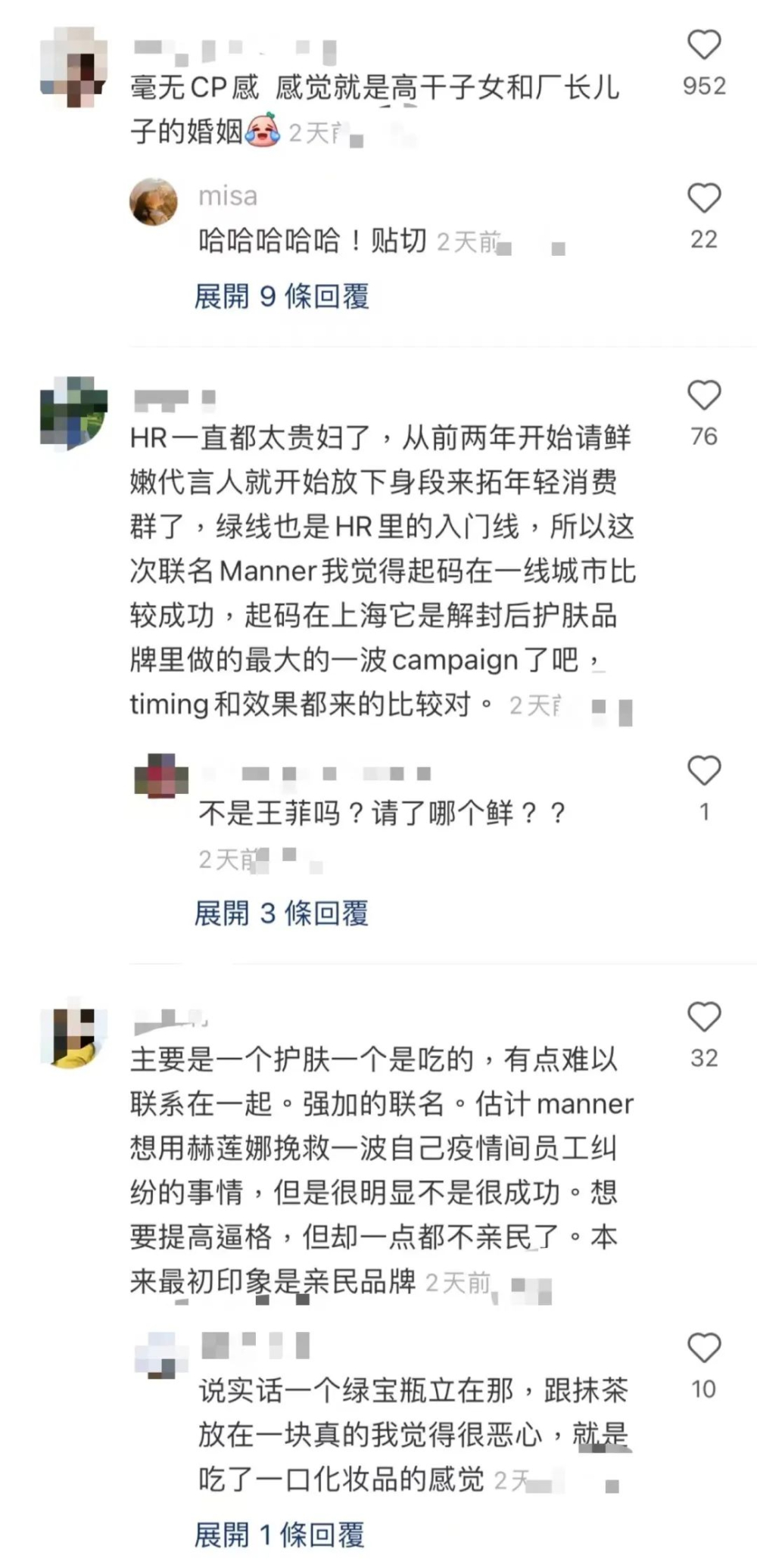
Most criticized of all was the content of the cup sleeve copy.Phrases like “Is being infatuated really love?” and “Do socially anxious people envy social butterflies?”—these nihilistic questions clearly clashed with the healing theme of “One Cup, Youth Reclaimed.”Some netizens felt these words actually reinforced negative emotions. Although the campaign attempted to connect with Gen Z’s psychological needs through a “self-healing” concept, various execution oversights ultimately greatly diminished the intended effect.
From a professional perspective, this case reveals three key failures in cross-industry collaborations: brand values must be fundamentally aligned, campaign rules must be clear and easy to understand, and technical support must allow sufficient buffer space. For coffee businesses, when designing collaborative campaigns, special attention should be paid to ensuring the flavor profile of the drink aligns with the partner brand’s tone, and a robust user communication mechanism should be established to avoid execution gaps.
The above content is compiled by CoffeeHunters, a coffee news website.


