







Introduction:When traditional herbal tea brands meet modern coffee trends, is it a breakthrough or a compromise? This article delves into the market strategy behind Wanglaoji’s launch of “Waterfall Iced Cantonese-style,” explores the feasibility of crossing over between herbal tea and coffee, and analyzes the challenges and innovation attempts faced by traditional beverage brands in the new generation of consumer markets.
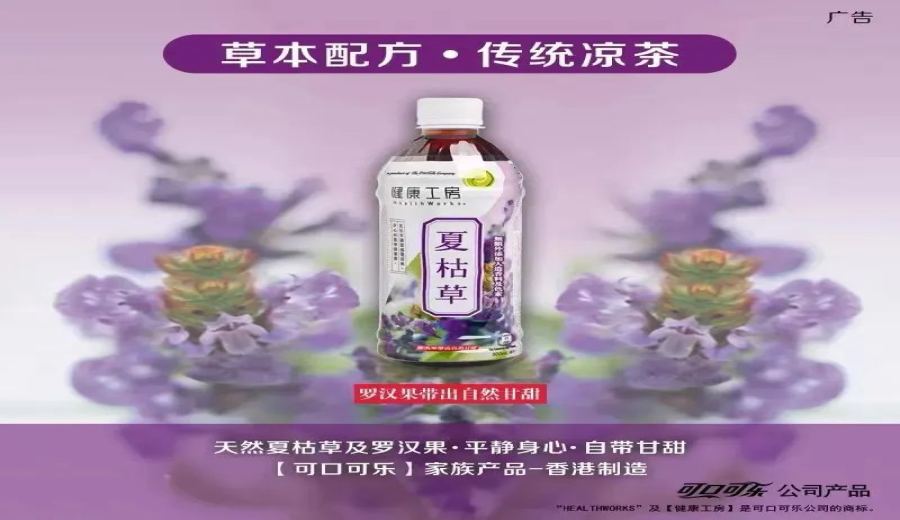
Coca-Cola recently launched a herbal tea product called “Prunella vulgaris,” but this traditional Chinese medicine-sounding name caused confusion among many netizens, with some even associating it at first glance with the pesticide “Paraquat.” This naming “fiasco” highlights the challenges traditional herbal tea brands face in modern market promotion. Meanwhile, another herbal tea giant, Wanglaoji, boldly introduced a new product in physical stores called “Waterfall Iced Cantonese-style,” combining herbal tea concentrate with fruit-flavored soda and ice to mimic the visual effect and brewing ritual of coffee.
This series of moves has sparked heated market discussions: are frequent cross-industry ventures by herbal tea brands aimed at innovation and breakthroughs, or are they reluctant moves driven by performance pressures? In fact, the classic slogan “Drink Wanglaoji if you’re afraid of getting overheated” is now facing a crisis of declining consumer attention. According to publicly available financial reports, Wanglaoji’s revenue in 2020 nearly halved, and although it rebounded in 2021, it is still far from returning to pre-pandemic levels.
The inspiration for Wanglaoji’s “Waterfall Iced Cantonese-style” comes from the popular coffee trend known as “Iced Cantonese-style.” Originally, “Iced Cantonese-style” refers to a drink where herbal tea replaces coffee, created with an appearance and brewing method similar to Americano coffee. Due to its unique visual effect and cooling function, it has sparked numerous imitations and discussions among netizens on social media. Wanglaoji has further commercialized this concept by launching a “Waterfall Iced Cantonese-style” that includes fruit-flavored soda, using a visual “waterfall” effect and ice collision to create a beverage experience akin to that of a specialty coffee shop.
However, this innovative approach has also sparked considerable controversy. Traditional Chinese medicine experts point out that traditional herbal tea is generally recommended to be consumed warm, and adding ice may intensify its cooling medicinal properties, potentially leading to discomfort such as abdominal pain or diarrhea. Despite this, Wanglaoji has still chosen to bring this creative idea to market, demonstrating the brand’s urgent need to break free from the limitations of traditional consumption scenarios.
It is worth noting that “Waterfall Iced Cantonese-style” is not simply herbal tea with ice; it combines herbal tea concentrate (also known as herbal extract) with fruit-flavored soda. While this formulation visually mimics the color and brewing ritual of coffee, it differs entirely in function and nature from coffee. For consumers, this cross-industry product is both novel and filled with questions, especially in today’s modern market where health and beverage functionality are highly valued.
From a market strategy perspective, Wanglaoji’s move reflects the anxiety of traditional herbal tea brands in the face of a new generation of consumers. As a traditional beverage with distinct regional characteristics, herbal tea has always had certain limitations in terms of consumption scenarios and product features. Even during the peak of the bubble tea market boom, Wanglaoji attempted to launch healthy bubble tea products but failed to capture the attention of the younger consumer demographic. Now, shifting toward a coffee-inspired model, while achieving visual and marketing breakthroughs, still needs time to prove whether it can truly resonate with consumers.
Overall, Wanglaoji’s “Waterfall Iced Cantonese-style” is a bold market attempt, showcasing the brand’s efforts in innovation while also reflecting the challenges traditional beverage brands face in the modern consumer market. For consumers, this cross-industry product offers a fresh experience, but choices should still be made based on individual health conditions and beverage preferences.
The above content is compiled by CoffeeHunters, a coffee news website.


