








Introduction:Cold brew coffee is extracted through prolonged steeping in cold water, which differs significantly from traditional hot brewing methods and can deliver a smoother, richer mouthfeel along with unique flavor profiles. This article details the key parameters of cold brew, including suitable grind size, coffee-to-water ratio, optimal steeping duration, and compares the two main methods—cold brew and cold drip. It also delves into how coffee bean flavor characteristics align with cold brew, providing practical advice to help you master this refreshing summer iced coffee technique.
In recent years, cold brew coffee has gradually become a favorite among many coffee enthusiasts. This method, which extracts coffee liquid through prolonged soaking or dripping using cold water, presents a stark contrast to familiar hot water brewing techniques such as pour over or French press. Among them, cold brew (Cold Brew) and cold drip (Cold Drip) are the two most common types. This article will take you deep into the fundamentals of cold brew coffee, breaking down everything from coffee bean selection, grind size control, coffee-to-water ratio adjustment, to steeping time settings. It also helps readers understand the relationship between different extraction methods and coffee flavors, allowing you to tailor your cold brew experience to your personal taste preferences.
 The biggest difference between cold brew coffee and traditional hot water extraction lies in its use of cold water for prolonged soaking or dripping. Since cold water has much lower extraction efficiency compared to hot water, it takes longer to release enough coffee compounds—typically requiring 6 to 8 hours or even more. This extended extraction process not only results in a richer and fuller-bodied coffee but also, due to the consistently low temperature throughout, effectively suppresses the dissolution of excessive impurities, extending the shelf life of the final product to 3 to 5 days.
When selecting coffee beans,medium to light roasted single-origin beansoften better showcase the strengths of cold brew, offering bright and layered flavors that are perfect for hot summer days. Many people wonder which coffee beans are suitable for cold brew. In fact, cold brew is not limited to specific origins or processing methods—the key is whether the flavor profile aligns with your preference. The flavor descriptions on coffee packaging come from actual cupping experiences, and whether brewed hot or cold, these flavor characteristics will present themselves with varying intensities.
If you prefer bright acidity and a refreshing taste, consider choosingwashed processed light roasted beans, such as those with citrusy notes; if you’re drawn to rich fruitiness and honey-like sweetness, then look out fornatural or honey processed medium to light roasted beans; if you want to explore a more fermented and complex cold brew experience, somemedium to dark roasted beans with prominent fermentation characteristicscan also deliver surprises, though you’ll need to be mindful of steeping time to avoid over-extraction leading to overly heavy flavors.
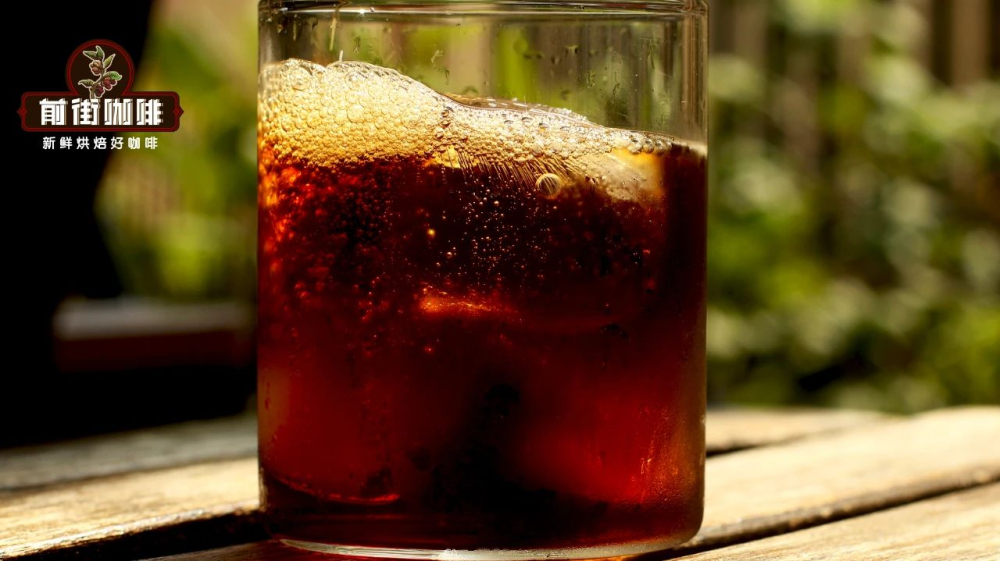
 Many consumers often mistakenly believe that only specific roast levels are suitable for cold brew. In reality, even medium to dark roasted beans can produce uniquely flavored cold brew, provided the flavor character is right. Experiments have shown that well-refrigerated Yunnan medium to dark roasted beans could still exhibit a rich, wine-like fermented character even on the seventh day. This proves that with proper adjustments, cold brew isn’t exclusive to light roasts—the key lies in the flavor direction you desire.
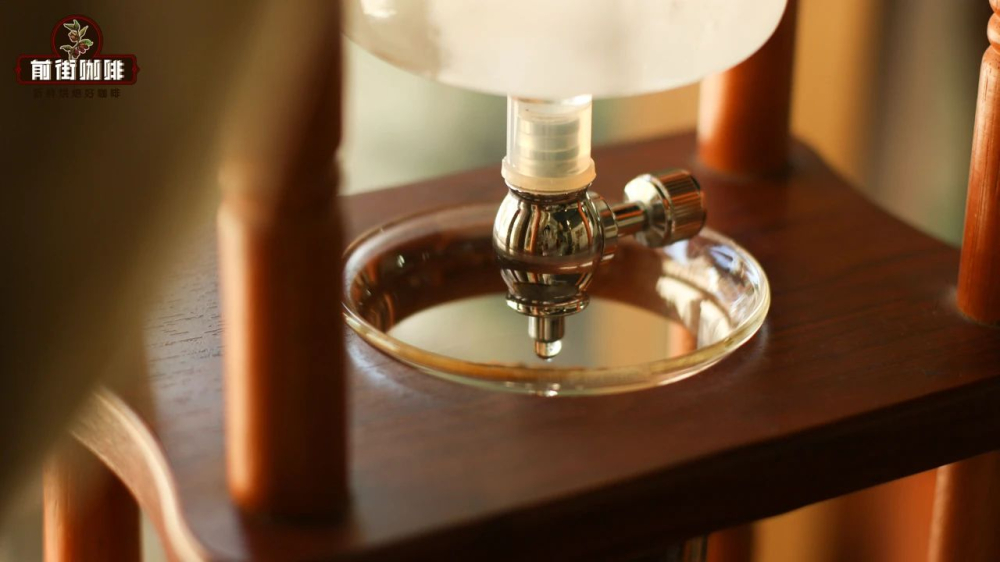
The preparation methods for cold brew coffee mainly fall into two categories: immersion-style cold brew and drip-style cold drip. This article focuses on the more widely used cold brew method, which requires very simple tools—a glass bottle or thermos with about 600ml capacity is sufficient to get started. Grind size, coffee-to-water ratio, and steeping time are the three core parameters that influence the flavor of your cold brew.
For grind size, cold brew is recommended to use a slightly finer grind than pour over—approximately 82% to 85% passing through a #20 sieve. For example, using a hand grinder like the C40, this corresponds to a setting of 22 to 24. A common coffee-to-water ratio is 1:12; using a 600ml container as an example, that’s about 40 grams of coffee grounds with 480ml of cold water, though you can adjust slightly based on your preferred strength. After thoroughly mixing the coffee grounds with cold water, remember to gently shake to ensure all grounds are saturated. Then place the entire bottle in the refrigerator’s chilled compartment, maintaining an environment of around 5 to 10°C, and let it steep for 12 to 24 hours.
The longer the steeping time, the higher the coffee’s concentration and intensity of flavor. Once steeping is complete, filter out the coffee grounds using paper or cloth filters, and your homemade cold brew coffee is ready to enjoy. To further enhance aroma, it’s recommended to let the filtered coffee sit in the fridge for about 4 hours after filtering—this helps concentrate the flavors and smooth out the mouthfeel. This extra step is especially suitable for coffee lovers who are particular about fine flavor details.
The above content is compiled by CoffeeHunters, a coffee news website.


