







Introduction:The British coffee chain Costa Coffee has raised its drink prices for the second time in six months, with an average increase of 14 pence per cup, sparking widespread dissatisfaction among customers. This round of adjustments affects several popular beverages such as flat whites and lattes, with some seeing price hikes of up to £0.55 per cup. This article delves into the reasons behind the price increases, the specific adjustments made, explores the inflation and supply chain challenges faced by the coffee industry, and also introduces the relief discount schemes launched by the brand.
The global coffee market continues to be impacted by inflation, and the well-known British chain Costa Coffee recently announced its second price hike within half a year. Starting from June 1st, the average price of its drinks has been increased by 14 pence (approximately £0.17), affecting a number of products including flat whites, medium skimmed lattes, and small cappuccinos.
According to British media reports, this price adjustment has led to significant increases for certain drinks. For example, the flat white has gone up from £2.95 to £3.30, the medium skimmed latte has risen from £3.10 to £3.35, and the small cappuccino has increased from £3.15 to £3.50. Consumer feedback indicates that the price of some products has already exceeded £3.70 per cup, triggering dissatisfaction.
A Costa spokesperson explained that this round of price adjustments mainly reflects inflationary pressures and rising operational costs, including expenses related to coffee bean procurement, energy, and labor. Although the actual price increases vary by store, product type, and size, the brand emphasized that it has made efforts to control the extent of the adjustments, keeping the average increase within 14 pence.
Industry analysis points out that global coffee bean supply instability and rising logistics and transportation costs are key factors driving up prices. It is worth noting that coffee beans themselves account for a limited proportion of the total cost of a drink, with more pressure coming from factors such as fluctuations in energy prices and adjustments in employee wages.
Consumer reactions are mixed, with some long-time customers expressing disappointment. One netizen mentioned that they have been drinking Costa products for the past 14 years, but now the price of large-sized drinks has reached £3.70, and they are considering switching to other brands. Another customer recalled that the Coolatta, which cost £3 last year, has now risen to £3.80, believing the increase is beyond a reasonable range.
To ease customer dissatisfaction, Costa has simultaneously introduced several promotional measures. These include daily breakfast combos priced at £1 and £2, as well as a club membership rewards program: buy 8 cups and get 1 free, or get 1 free when purchasing 4 cups with a reusable cup. These initiatives aim to maintain customer loyalty and offset some of the negative feelings associated with the price adjustments.
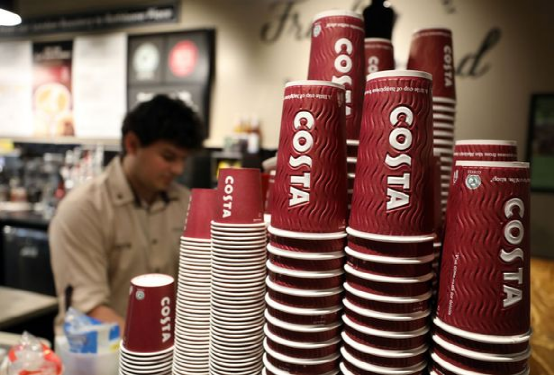
The current inflation rate in the UK stands at 9%, the highest in 40 years, and food and beverage consumption is under widespread upward pricing pressure. Experts suggest that when choosing coffee products, consumers can pay attention to brand promotions or consider bringing their own eco-friendly cups to enjoy additional discounts, thereby reducing their daily coffee expenses.
The above content is compiled by CoffeeHunters, a coffee news website.


