








Introduction:When coffee is no longer just coffee, but crosses boundaries with pickled vegetables, tofu pudding, or even pork trotter ginger dessert, the realm of creative coffee continues to expand. However, while this "genetic mutation"-style trend generates buzz and traffic, it also challenges the fundamental logic of taste. This article delves into the evolution, market motivations, and potential pitfalls of creative coffee, offering practical insights on crafting visually stunning yet flavor-balanced creations. It helps professionals and enthusiasts alike approach this trend with a rational perspective.
In recent years, driven by consumers’ desire for novel experiences, creative coffee has repeatedly broken through traditional frameworks. What began as basic milk-based coffees and alcoholic fusions has evolved into today’s jaw-dropping extreme combinations—such as pickled vegetable Americano, tofu pudding latte, or even pork trotter ginger special blends. While these products can quickly capture attention, they often suffer from unbalanced flavor pairings, making it difficult to build a stable customer base. This article traces the transformation of creative coffee, analyzes the forces behind it and the challenges it faces, and explores how to strike a balance between visual creativity and taste harmony, providing in-depth insights for both practitioners and enthusiasts.
So, what kind of creative coffee can truly resonate with consumers? Is it rich layered flavors, delicate textures, or eye-catching plating? The answer may be surprisingly simple—ultimate “absurdity” is the real attention-grabber.
Fueled by consumers’ strong curiosity, creative coffee has shown a clear trend of “genetic mutation.” In the development of many new products, flavor rationality is no longer the top priority. As long as the design is shocking enough, it can create a viral effect in a short time.
Looking back at the history of coffee flavoring, humans began experimenting with adding other ingredients to soften coffee’s intense bitterness hundreds of years ago. In 1683, an innovator in Vienna first added milk to coffee, marking its transition from a single black beverage to a diversified drink. Subsequently, sugar, cocoa, and cream became classic pairings, laying the foundation for modern milk-based coffee.
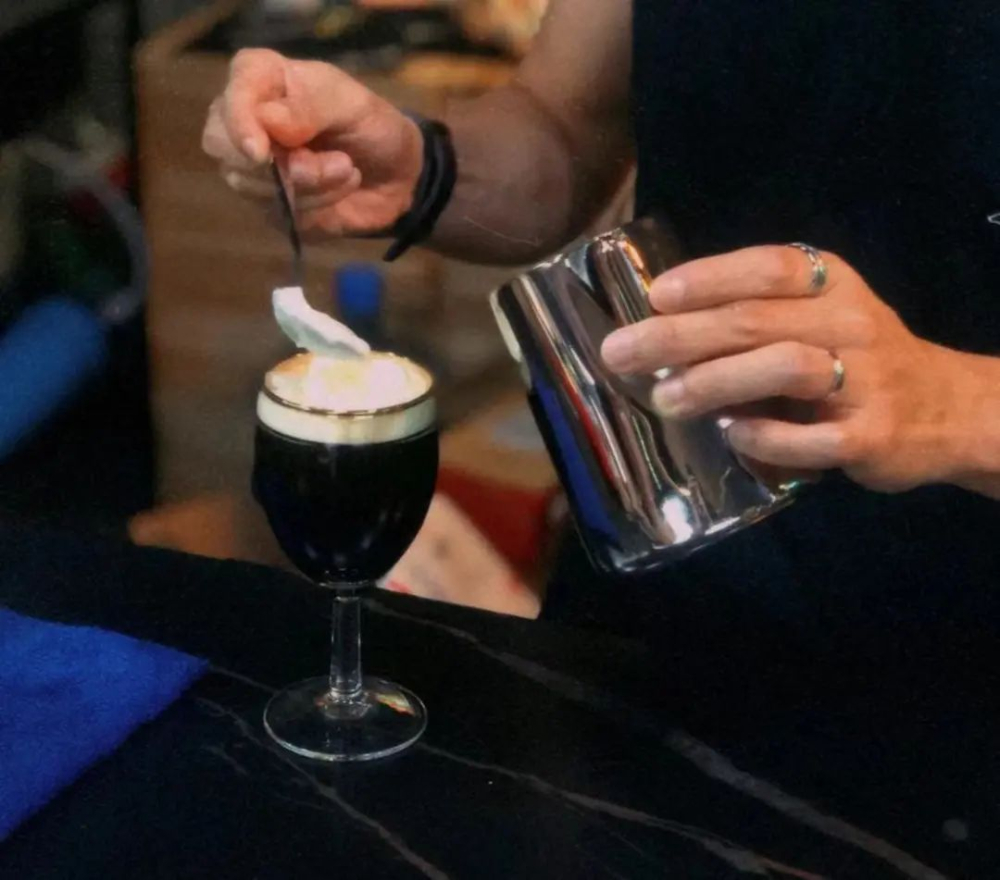
In the 1950s, an Irish bartender pioneered the addition of whiskey to coffee, creating the classic Irish Coffee. Though innovative, this blend of alcohol and coffee aroma initially failed to gain widespread popularity due to its high preparation complexity. Instead, it became an exclusive tasting experience for a niche group of enthusiasts.

As coffee culture became more mainstream, to meet consumers’ craving for new flavors, various “milk coffees” emerged. These not only continued the combination of milk and sugar but expanded to include plant-based milks, flavored syrups, and ice cream, forming the market mainstream for decades. However, this relatively mild innovation could no longer satisfy the newer generation’s expectations for the “quirky” and “Instagram-worthy” experiences.
Over the past decade, the rise of specialty blended coffees in the Chinese market started relatively restrained, often incorporating tea elements while balancing coffee’s essence with refreshing taste profiles. But as time passed, consumers’ pursuit of layered flavors led to the heavy use of fruits, fruit juices, and other ingredients, gradually diluting coffee’s original character—even reducing it to a supporting role.
When traditional fruit-blended specials could no longer surprise, abstract-style creative coffees made their entrance. Often named after bands or books, these creations rely on the subjective inspiration of the makers, blending various fruits and spices to evoke unique emotional associations. Yet, if consumers fail to grasp the underlying concepts, a sense of detachment easily arises, causing this trend to fade quickly.
Taking its place were more straightforward and relatable “localized” creative specials—such as pickled vegetable Americano, tofu pudding latte, and Sichuan pepper Americano—leveraging local culinary symbols to create strong visual and taste impacts. But many of these offerings, due to a severe disconnect between ingredients and coffee’s core flavor, succeeded in grabbing attention but struggled to earn lasting approval.
To further stimulate conversation and check-in appeal, even more extreme combinations followed—featuring dishes like Chinese sausage specials, pork trotter ginger specials, cold zongzi specials, and candied hawthorn specials. These not only incorporated the corresponding ingredients but also attempted to integrate their flavors into the overall taste design. Going even further, creations like turtle jelly-goji latte, rice cake latte, and sweet fermented rice ball latte transformed coffee from a mere beverage into something closer to a creative dish.
However, while these extreme creations can generate short-term hype, they commonly suffer from flavor imbalances, high prices, and lack of repeat appeal. Many consumers, after trying them out of novelty, ultimately choose not to return due to jarring tastes and unaffordable pricing. Research shows that creative coffee lacking stable flavor performance and reasonable pricing struggles to build customer loyalty.
In fact, many creative developers admit that consumers’ acceptance of pure coffee flavors remains limited—they’re often seeking social talking points and content for online sharing. But if this trend strays too far from coffee’s essence, brands will find it hard to build lasting reputations, let alone survive fierce market competition.
In summary, creative coffee is both a powerful tool for attracting attention and a double-edged sword in business. Successful creative works require not only eye-catching designs and innovative concepts but must also be grounded in a deep understanding of the characteristics of coffee and ingredients—ensuring flavor harmony—to truly move consumers and establish long-term brand value.
The above content is compiled by CoffeeHunters, a coffee news website.


