







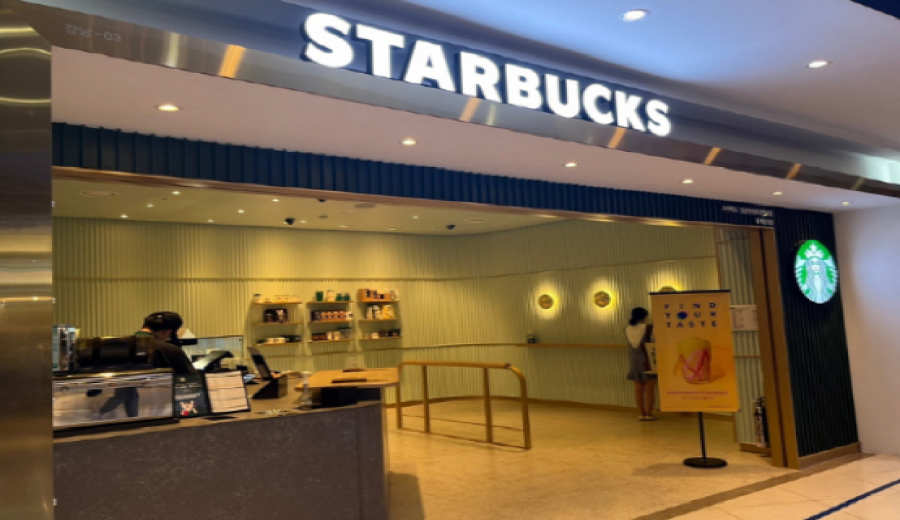
Introduction:Starbucks has opened a new concept store for the first time at Seoul’s Gangnam Subway Station, offering express services to meet the needs of busy commuters. As one of only two Starbucks locations in subway stations worldwide, how does this outlet break away from traditional site selection thinking? From location strategy to service design, this article delves into its market layout and operational details, giving you insight into new urban coffee trends.
Coffee has become a daily necessity in modern urban life, yet most coffee shops still prefer to set up in residential street corners or on the ground floors of office buildings. Subway stations, which handle massive commuter traffic daily, have long lacked coffee service points. Recently, South Korea’s Starbucks made an innovative move by opening a brand-new store inside Seoul’s busiest subway station — Gangnam — focusing on “grab-and-go” quick-service, precisely targeting the city’s highly efficient commuters who shuffle through the urban jungle daily.
It is reported that this new store in Gangnam Subway Station is one of only two Starbucks outlets in subway stations globally, with the other located at Canary Wharf Station in London, UK. The decision to choose Gangnam Subway Station was influenced not only by its astonishing average daily foot traffic of over 100,000 people but also because it lies in Seoul’s core business district, with as many as 19 Starbucks outlets within a 500-meter radius, highlighting the area’s high demand for coffee.
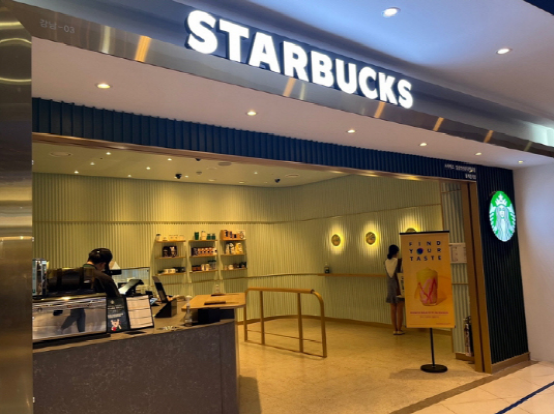
Unlike typical Starbucks stores situated in spacious malls or on street corners, the Gangnam Subway Station outlet focuses on ultimate convenience, aiming to allow customers to quickly grab a high-quality cup of coffee even amid their hectic commutes. This positioning not only expands Starbucks’ coverage in the South Korean market but also represents the brand’s further adaptation to the pace of urban life.
Notably, while South Korean subways do not completely prohibit eating and drinking on trains, authorities have since the pandemic recommended passengers avoid consuming food or beverages inside train cars and to wear masks at all times. Although South Korea has lifted its outdoor mask mandate, masks are still required indoors or in enclosed spaces, so such subway station coffee shops particularly emphasize quick takeout to minimize passengers’ dwell time within the station.
The Starbucks at London’s Canary Wharf Subway Station also adopts an “express café” model, featuring a compact store space with minimal seating and a simplified menu that includes only the most popular drinks and light snacks. The goal is to enable customers to swiftly complete the process of ordering, picking up, and leaving, truly delivering an efficient “grab-and-go” experience.
As the pace of urban life continues to accelerate, more and more white-collar workers crave a quick caffeine boost during their busy workdays. Starbucks has identified this group — who are frequent coffee consumers with stable purchasing power — and through the establishment of subway station outlets, meets their dual needs for efficiency and quality, while also tapping into the market potential of urban transportation hubs.
Looking back at Starbucks’ development in South Korea, since entering the market in 1999, it has accumulated 1,674 stores, demonstrating its high regard for the country’s coffee consumption market. In the first quarter of 2022, Starbucks Korea achieved sales of 602.1 billion KRW (approximately $475.8 million), with a year-on-year growth rate of 15%. Since July last year, major South Korean retailer Emart has become Starbucks’ largest shareholder in the country, holding a 67.5% stake, signaling strong local confidence in the brand’s future development.
This innovative move into subway stations is not just a geographical breakthrough in site selection, but also represents Starbucks’ deep observation of the lifestyle of urban commuters. From spatial planning to service procedures, every detail is designed to ensure that customers can still enjoy a consistent brand experience, even within extremely short stays — making it an important reference for the future trends of urban coffee services.
The above content is compiled by CoffeeHunters, a coffee news website.


