







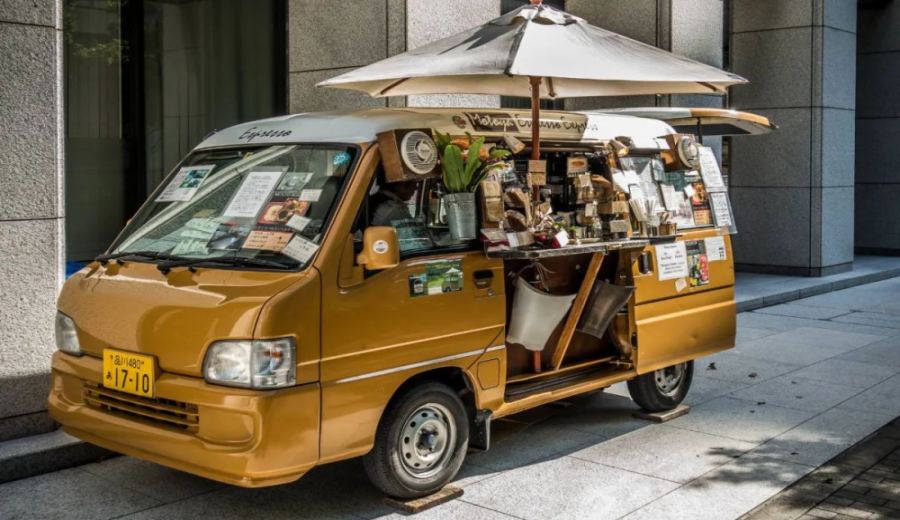
Introduction:Want to start a mobile coffee truck and turn your passion into a source of income? This article features in-depth interviews with multiple practitioners, covering everything from motivations for entering the business, equipment setup, licensing procedures, location selection, to common risks and current profit realities. Whether you're looking to try it out part-time or seriously plan for long-term operation, you'll gain practical insights and key reminders here.
Walking down the street, a small vehicle equipped with a coffee machine and ingredients always catches people’s attention. For coffee lovers, running a mobile coffee truck feels like the intersection of dreams and reality. But is this path really as smooth as it seems? What basic equipment is needed? Are there specific licenses required? How much can one actually earn? We’ve compiled real experiences from multiple practitioners, breaking down operational details step by step—from motivations to profit models, vending strategies, equipment suggestions, and even common complaint risks—to give you a comprehensive understanding of what it’s really like to run a mobile coffee truck.
“Why choose to run a mobile coffee truck?” Many entrepreneurs share their original motivation: “Driving around the city, making a fresh cup of coffee for customers anytime, that sense of freedom is captivating. Coffee is no longer just a drink, but a bridge connecting people with people, and people with the city.” Some operators also mention that compared to a fixed shop, the atmosphere created by a coffee truck is more relaxed, the distance between customer and barista is shorter, often leading to warm scenes of people sitting together chatting and sharing stories, making each outing full of human touch.
When it comes to profit realities, operators admit: “If you already have entrepreneurial experience, are familiar with coffee expertise, and possess basic management skills, a mobile coffee truck is indeed worth trying—but it’s not advisable to go all in. Starting with a side hustle mindset is more stable.” On the other hand, diving in blindly just because others are making money, especially without basic knowledge, can easily lead to failure. An important reminder: avoid vicious competition with peers, choose equipment and locations within your means, and never park illegally or pick high-risk hotspots just to save costs—otherwise you may face penalties and end up getting nothing for your efforts.
Some operators run it as a side gig, only setting up after work or when the weather is nice. “I treat the coffee truck as a creative outlet, using cost-effective equipment, fresh coffee beans and milk, and putting my heart into every cup and every customer. Though I haven’t made a fortune, I break even on costs and have met many interesting friends.”
Regarding basic equipment, a minimal setup requires a vehicle with sufficient trunk space (if conditions are limited, a bicycle or pushcart can only make basic coffee), a coffee machine, a grinder, fresh coffee beans, bottled water, a power bank, an espresso tool set, separate cleaning buckets, takeout supplies, simple decorations, lighting tools, a drink menu, and a passionate and easygoing vendor. Advanced configurations can include a hand grinder and accessories for pour over coffee, insulated containers for milk and ice, outdoor tables and chairs (1–2 sets), interior and exterior decorations, banner signs, rooftop lighting, and sound equipment to enhance the overall service experience.
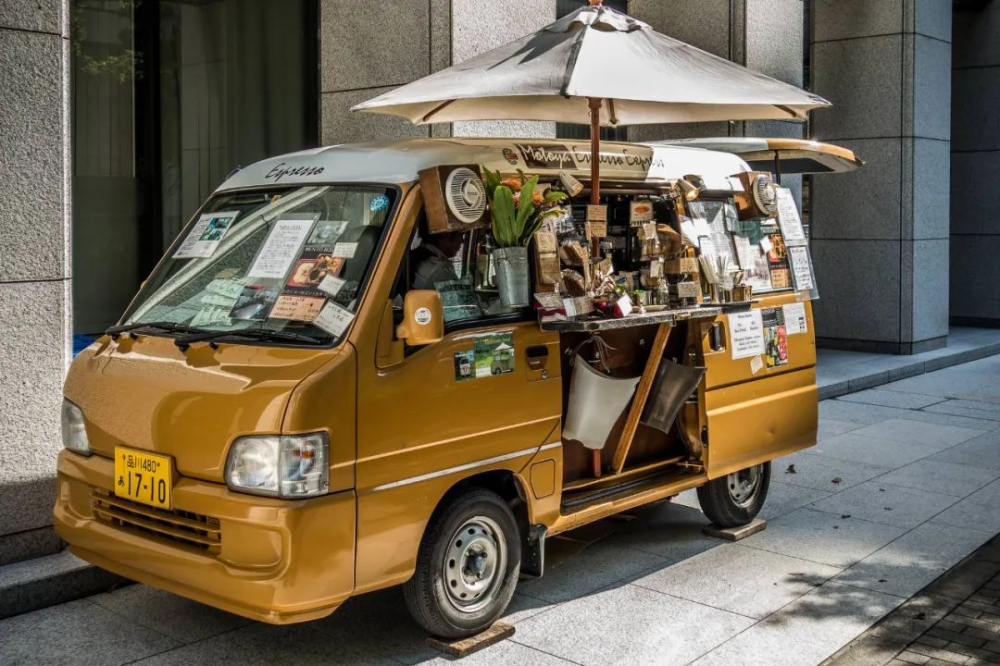
As for licensing requirements, the answer is yes. If you plan to operate legally and long-term, you must obtain relevant permits. Policies vary greatly by location, so you need to check local street vendor regulations, which usually include a business license, health permit (which requires a fixed food service premise to apply for), and road occupation permit. Operators remind: “If you only see it as a side hustle, you don’t need to go for a full set of licenses, but you must avoid high-risk vending locations to prevent operational disruptions due to violations.”
For location strategy, it’s advised to choose areas with steady foot traffic but fewer urban management patrols (this is shared from experience, not an encouragement), and to park in legal parking spots. If you wish to cultivate a regular customer base, try to set up at consistent times and locations (unless the weather is bad). Over time, this helps accumulate loyal customers who may follow you even if you change locations later.
As for complaint risks, most operators say: “As long as you don’t affect traffic, don’t create noise, and keep the area clean, actual complaints are rare.” Operators share observations: “Customers who come by mostly understand how hard it is to start a business, and even if they don’t buy anything, they often offer encouragement—this positive feedback is what keeps us going.” Of course, it’s still important to watch out for exceptions and avoid becoming a target.
In summary, running a mobile coffee truck is definitely not an easy path to quick riches, but if approached as a side hustle or hobby, it allows you to pursue your passion for coffee, build connections, gain experience, and even reap unexpected rewards. The key lies in rational planning and treating every cup of coffee and every customer with care.
The above content is compiled by CoffeeHunters, a coffee news website.


