








Introduction:Do you find pour over coffee equipment too tedious to clean, eventually letting them gather dust in a corner? The Japanese market has introduced a minimalist coffee dripper that resembles a traditional teapot. Made from the traditional Tokoname-yaki clay, this device uses its special material and immersion brewing method to effectively reduce off-flavors and excessive bitterness in coffee. This article will delve into the craftsmanship, suitable brewing parameters, and practical steps for using a Tokoname-yaki dripper, helping you brew clean, rich coffee flavors with simple tools.
Many coffee enthusiasts, after purchasing a variety of equipment, often find daily maintenance and cleaning too labor-intensive. Over time, these devices become nothing more than dust collectors. To address this pain point, the Japanese market has launched a dripper that looks like a traditional teapot but is specifically designed for brewing coffee. Its structure is extremely simple, featuring only a high-density filter at the spout to prevent coffee grounds from escaping. It’s easy to clean—just a quick rinse with hot water is enough.
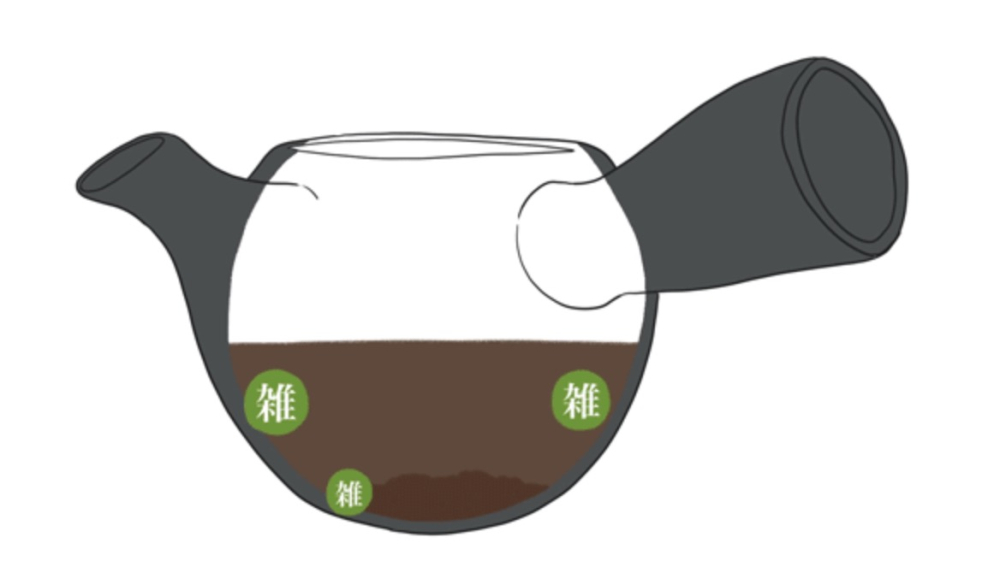
Though its appearance is simple, the body of the dripper is made using Japan’s millennia-old Tokoname-yaki pottery technique. It uses iron-rich clay and is fired without glaze, resulting in a surface that, after polishing, retains a natural luster and fine porosity. This porous texture gives the pottery excellent water absorption properties, effectively trapping undesirable compounds released during brewing, thereby reducing the common bitterness in coffee.

The bitterness in coffee mainly comes from chlorogenic acid lactones and phenylindanes generated by the breakdown of chlorogenic acids during roasting. Light to medium roasted coffee, which tends to have higher levels of chlorogenic acid lactones, often exhibits noticeable bitterness. In contrast, dark roasted coffee, with prolonged roasting time, accumulates more phenolic compounds and phenylindanes, resulting in a sharper and more persistent bitterness. The special material and fluid design of the Tokoname-yaki dripper help filter out these compounds that cause unpleasant flavors, while its rounded interior reduces residue buildup, enhancing the purity of the extracted flavors.
This dripper uses an immersion brewing method. Users only need to control the appropriate water temperature and coffee-to-water ratio to complete brewing in just 2 to 3 minutes. Generally, it’s recommended to use water around 90–91°C for light roasted beans, and lower it to 88–89°C for dark roasted beans to reduce the risk of over-extraction. For the coffee-to-water ratio, beginners can start with a 1:15 ratio and adjust based on personal taste preferences—the higher the ratio, the lighter the coffee flavor, and vice versa for a stronger taste.
It’s important to note that even though the pottery can effectively reduce off-flavors, excessively long soaking times can still lead to over-extraction and increased bitterness. Therefore, it’s recommended to strictly control the brewing time within 2–3 minutes. After brewing, the coffee should be poured out all at once, avoiding repeated soaking like tea leaves, which can affect the overall flavor profile.
Just as the Tokoname-yaki pottery shares similarities with Chinese Yixing clay teapots in material characteristics, despite their different raw materials, both can achieve similar flavor purification effects. They help capture the aromatic layers in coffee while suppressing unnecessary off-flavors. If you already have a large Yixing clay teapot at home, you might try experimenting with pour over coffee by adding a high-density filter yourself—using a similar method might bring some unexpected results.
For operation, it’s recommended to first familiarize yourself with basic parameters such as water temperature control, coffee-to-water ratio, and brewing time, then make gradual adjustments based on actual flavor feedback. Be sure to clean thoroughly after use and keep it dry. Make sure there’s no lingering coffee odor inside the dripper before storing it, to maintain hygiene and the flavor purity for your next use.
The above content is compiled by CoffeeHunters, a coffee news website.


