







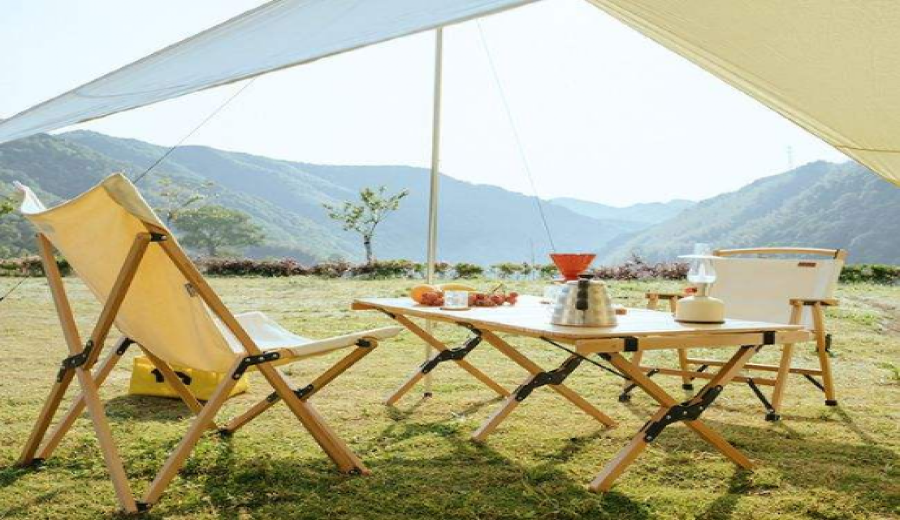
Introduction:In recent years, the combination of camping and coffee has become a new favorite in outdoor leisure, especially sparking heated discussions on social media platforms. However, beyond the poetry and therapeutic appeal, this trend also brings issues such as litter pollution and fire hazards. This article begins with a historical overview of camping culture, traces the rise of "glamping" (glamorous camping), and delves into the realities and potential concerns of camping coffee, helping readers enjoy nature and coffee while also being mindful of safety and environmental responsibility.
As the summer chorus of cicadas begins, many people start yearning to escape the hustle and bustle of the city and seek moments of tranquility in nature. Camping, once an activity reserved for specific groups, has now become a widely sought-after leisure choice. On social media platforms, the topic of "camping coffee" has gone viral, with Xiaohongshu (Little Red Book) alone accumulating over 220,000 related posts, making it a popular outdoor lifestyle among many young people.
However, as we admire those carefully composed, stylish photos of camping coffee, have we ever considered that behind these beautiful moments may lie environmental issues that should not be overlooked? From widespread litter to fire safety risks, the camping craze has brought numerous challenges. This article will start with the origins of camping, outline the evolution of glamping, and take an in-depth look at the phenomenon of camping coffee, revealing the multifaceted nature of this trend.
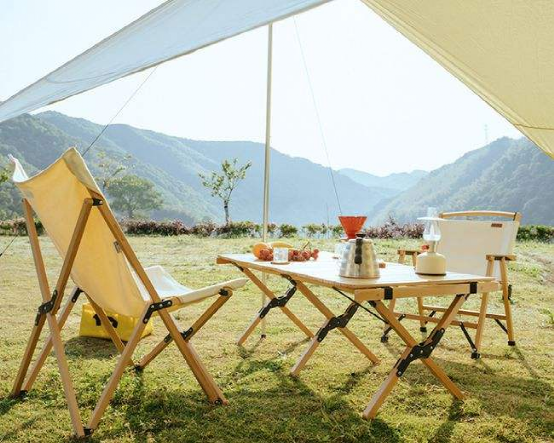
Looking back in history, early camping activities were mostly related to survival or military needs, such as the nomadic and hunting lifestyles of ancient tribes, or soldiers' combat missions in the wilderness. It wasn't until modern times that camping gradually transformed into a form of recreational activity. The British Thomas Hiram Holding is regarded as a pioneer of modern recreational camping. He once led a wagon train across the American prairies and undertook numerous camping trips by bicycle and canoe. In 1908, he wrote the world's first "Camping Manual," laying the foundation for this activity.
For most people, hardcore camping may be too demanding, but modern technology has made outdoor life less arduous. However, while pursuing comfort and convenience, some have chosen another path—glamping. This style is not entirely new; as early as the 16th century, the Earl of Atholl in Scotland set up luxurious tents to host King James V and his mother during a highland journey. By the 1920s, wealthy Europeans and Americans even transformed African safari trips into ultra-luxurious camping experiences, complete with generators, folding bathtubs, and coffee equipment.
As time has progressed, glamping has gradually entered the public eye. Modern people live under high pressure and fast-paced routines, longing for a breath of fresh air through camping, yet unwilling to give up comfortable equipment. As a result, from premium tents and hand grinders to portable generators, various types of gear have become standard for camping enthusiasts, with prices ranging from several thousand to tens of thousands of yuan, yet still attracting countless devotees.

Amid this trend, the combination of camping and coffee has also rapidly gained popularity. Some mobile coffee truck operators have seized the opportunity to bring the aroma of coffee into forests and meadows. With just a single drink, one can experience the leisurely atmosphere of the outdoors. Especially during holidays, such "camping coffee" stalls are often in high demand, becoming new hotspots for leisure and photo opportunities.
However, behind the beautiful scenery often lie issues that should not be ignored. Recently, at a windmill mountain campsite in Yangjiang, Guangdong, visitors left behind large amounts of trash after leaving, sparking online discussions. Although the responsible parties responded that they would clean up at a later date, it also highlighted how many people lack basic respect for the environment while enjoying nature. Additionally, open-fire cooking or heating devices are commonly seen in many camping coffee setups, adding ambiance but also posing fire safety risks.
In 2017, a forest fire caused by campers starting a fire to cook noodles occurred in Zhuhai. The perpetrator was ultimately ordered to pay compensation of over 4.7 million yuan, an incident that still serves as a cautionary tale within the camping community. For those passionate about camping coffee, the potential financial loss from an accident could far exceed the value of a single specialty coffee.
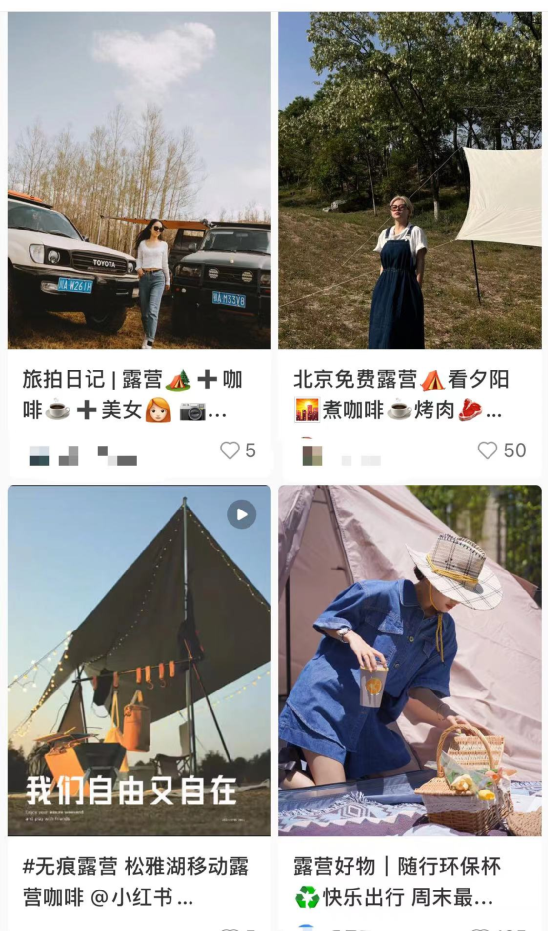
Moreover, some campers lack environmental awareness, leaving behind plastic bottles, food packaging, cigarette butts, and other types of trash when they depart. These not only damage the natural landscape but also affect the experience of subsequent users. These behaviors remind us that while enjoying outdoor life, we should also think about how to coexist harmoniously with nature.
In summary, the rise of camping coffee reflects modern people's longing for a slower pace of life and connection with nature. But while pursuing poetry and distant horizons, we should also take responsibility for the environment—be mindful of fire safety, reduce waste generation, and ensure that each camping experience not only heals the soul but also protects the cherished natural environment we love.
The above content is compiled by CoffeeHunters, a coffee news website.


