








Introduction:As Instagrammable coffee shops in cities gradually lose their appeal, an increasing number of young people are choosing to return to rural areas to open "three-no" coffee shops—those without signs, low-key in operation, and deliberately unbranded—which have unexpectedly sparked a new wave of check-in fever. This article takes you from the trend of urban specialty coffee to an analysis of how countryside homestay-style cafes are rising against the odds, and explores new trends and potential directions in future coffee consumption.
Coffee has long ceased to be just a tool for waking up in the morning; it has become an important element of modern socializing, leisure, and even photo opportunities. As Instagram-worthy coffee shops have sprung up like mushrooms in cities, many establishments focus on exquisite interiors and unique signature drinks, initially attracting large crowds and online attention. However, as time goes by, consumers have gradually grown tired of the repetitive "ruins-style," "black-and-white minimalism," or "Japanese wabi-sabi" decor, and the long queues are no longer as packed as before.
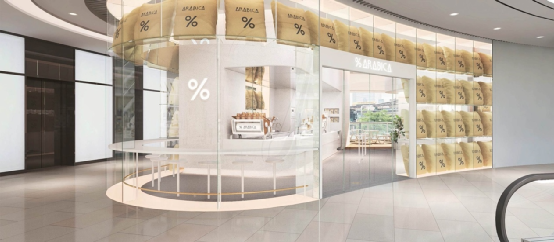
These Instagram-famous coffee shops initially gained fame for their unique spatial designs and exquisitely plated beverages. One of the most representative is %ARABICA, founded by a Japanese entrepreneur in Hong Kong. With its simple and stylish aesthetic and consistent brand image, it quickly expanded to Tokyo, Los Angeles, and first-tier cities in China. The brand established itself in the market with a minimalist menu and high-end store designs. Despite limited options, it still attracted large numbers of consumers willing to queue for hours under the scorching sun just to experience that "Instagram-worthy" vibe.
However, as similar-styled coffee shops began to densely populate neighborhoods, consumers' novelty quickly wore off. Many once reservation-only, queue-heavy hotspots are now deserted. To stand out in the fierce competition, some shops started focusing on creative drinks, incorporating mixology techniques into coffee making and launching a series of unconventional specialty drinks with bizarre ingredients—ranging from Lao Gan Ma chili sauce to live hairy crabs—making "two hours of photos, five minutes of coffee drinking" the norm.
At the same time, some businesses have also tried blending Chinese breakfast elements with Western-style coffee, such as pairing it with youtiao (fried dough sticks), scallion pancakes, or even soy milk. While these combinations briefly trended on social media, they strayed too far from the essence of coffee and struggled to build a stable customer base. In the end, most of these experiments became fleeting fads, failing to retain repeat customers long-term.
As the urban Instagram coffee craze cools down, a back-to-basics trend is quietly spreading through the countryside. More and more young people who have worked in cities for years are choosing to return to rural areas with their savings to open uniquely styled "three-no" coffee shops—typically without conspicuous signage, without large-scale promotion, and rarely updating social media content. Yet, thanks to their low-key charm and distinctive pastoral ambiance, they have unexpectedly gone viral on social platforms.
A search for "countryside coffee" on Xiaohongshu (Little Red Book) yields over ten thousand related posts, showing that this pastoral coffee trend is attracting a large number of young travelers and photography enthusiasts. According to a report by the Oriental Daily News, a Malaysian painter returned to his rural hometown during the pandemic and transformed his former oil palm plantation studio into a café. The shop has no signboard, engages in no active marketing, and relies solely on word-of-mouth from customers and spontaneous online sharing. Surprisingly, it quickly became a local Instagram hotspot.
The popularity of this laid-back business model is closely tied to modern people's weariness of urban noise. Many visitors say that in countryside coffee shops, they can feel a healing atmosphere away from the hustle and bustle—not only enjoying coffee but also taking in pastoral scenery and a slower pace of life. Compared to city-based Instagram cafes that emphasize photo ops and aesthetic appeal, countryside coffee shops offer a more genuine and relaxing consumption experience.
Looking ahead, coffee consumption trends may continue to evolve toward "quality living" and "local experiences." Whether it’s a refined pour over specialty shop in the city or a low-profile pastoral café in the countryside, consumers are increasingly valuing the story behind the coffee, the brewing process, and the ambiance of the environment. For operators, finding a differentiated position in the competitive landscape while balancing product quality and customer experience will be key to standing out in this new wave of coffee culture.
The above content is compiled by CoffeeHunters, a coffee news website.


