







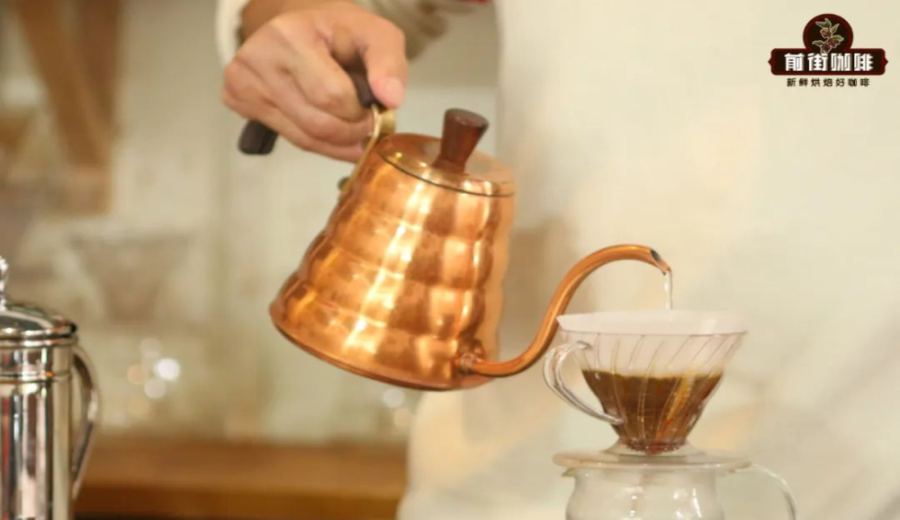
Introduction:Many beginners who are just getting into pour over coffee often start by imitating the barista’s movements. However, what truly influences the flavor of the coffee is the extraction logic behind those actions. This article will guide you from a beginner’s perspective, explaining the importance of pour over techniques, and showing you how to gradually shift from mimicking movements to deeply understanding grind size, water temperature, brew ratio, and other extraction parameters — the key leap in elevating your coffee’s flavor.
For those new to the world of pour over coffee, the most common way to learn is through observation and imitation. Standing at the coffee bar, they watch intently as the barista works, trying hard to remember how fine the ground coffee is, how many circles the barista makes while pouring, the speed and rhythm of the water flow, and even how long the entire process takes. These external, visible “movements” do indeed form the foundation of pour over. But the key factor that determines the final flavor of a cup of coffee actually lies in the extraction logic behind these movements.
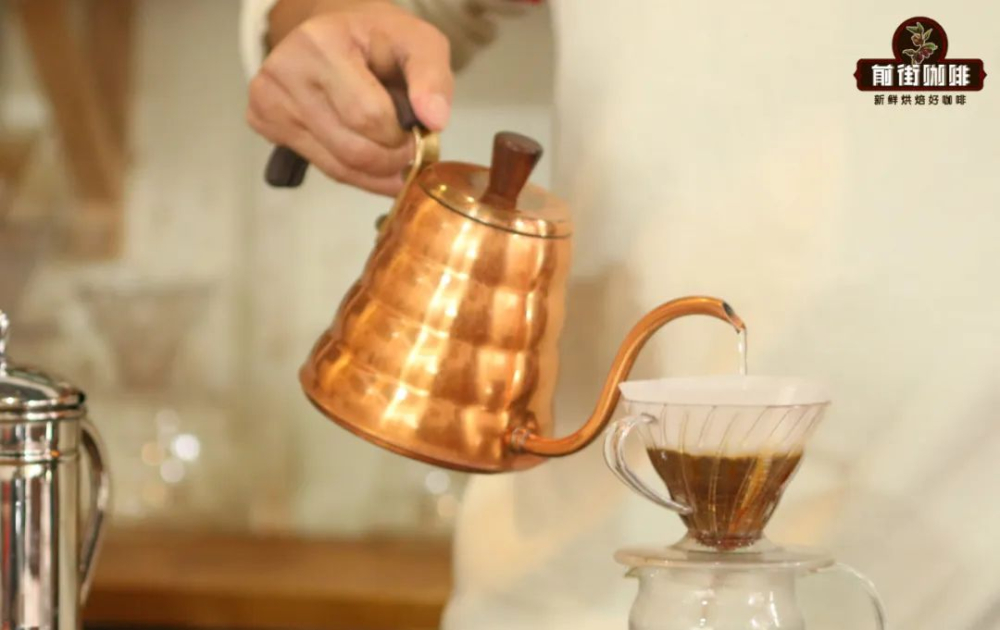
Recalling the early learning experiences of many coffee beginners, the most common method is none other than “learning by stealth.” They walk into a café, order a pour over coffee, and while tasting it, they stare intently at the barista’s technique. Some try hard to discern how coarse or fine the ground coffee is, some silently count how many circles the barista makes while pouring, and others even use their phones to time the process, attempting to replicate every detail. Though these methods may seem clumsy, in an era when resources were not as abundant as they are now, they were indeed the first steps for many into the world of coffee.

However, even with such dedicated imitation, many people find that the first cup of coffee they make themselves often tastes bad, noticeably inferior compared to what the barista produces. This stark contrast often leads them to mistakenly believe that “technique” is the only factor influencing coffee flavor. Add to that the seemingly effortless and graceful performances of baristas on video-sharing websites, and it’s even easier for beginners to assume that mastering those precise, elegant “hard skills” is all it takes to brew a good cup of coffee.
Especially with Japanese pour over, where the pursuit of ultimate control over water flow and the graceful, composed movements leave a deep impression on many beginners — some even come to think that the key to pour over lies solely in “water control.”
But these, what we call the “form.” Just like Yang Guo in Jin Yong’s novels, who learned the moves of the Dog Beating Staff Technique from Hong Qigong but couldn’t truly unleash its power due to lacking the inner principles. It wasn’t until Huang Rong taught him the inner method that he finally mastered the staff technique. Similarly, in pour over coffee, the “form” refers to the visible operational movements, while the “core” is the invisible extraction principles and the coordination of parameters.

Brewing a great cup of coffee isn’t something that can be achieved simply by imitating movements. What truly influences the flavor of coffee is the synergy among a series of extraction parameters: including grind size, water temperature, brew ratio, as well as your understanding of the specific characteristics of the coffee beans you’re using. These elements are interlinked, and any change in a single parameter will directly impact the final extraction result.
For example, if you’ve only learned a fixed brewing routine and apply the same method regardless of the type of coffee beans you’re using, even if your water control is stable and your movements are standard, you still might not be able to brew a delicious cup. On the contrary, understanding the characteristics of each bean variety and adjusting the appropriate parameters based on its roast level, origin, and flavor profile is what truly brings out the unique flavors of the coffee.
So, going back to the original question: Is pour over technique really that important? For those who are just beginning to explore coffee, mastering basic operational movements is indeed key to taking the first step. When you’re just starting out and practicing, many people encounter issues such as an unstable grip on the kettle, off-center water flow, or a chaotic pouring rhythm — all of which are normal. Based on experience, it usually takes about half a month of practice for a complete beginner to go from zero to being able to more steadily control the water flow and complete circular pouring.
But once you’ve gradually mastered these basic “forms,” what’s more important is a shift in mindset — moving from simply imitating the barista’s movements to understanding the parameter choices and extraction thinking behind them. When you begin to pay attention to how grind size affects mouthfeel, how water temperature changes flavor layers, and how brew ratio determines strength and extraction rate, you’ve truly taken the crucial first step from “0” to “1.”
Of course, during the stage when your water control is still unstable, it’s only natural to feel envious seeing others effortlessly manage the water flow and gracefully complete a perfect pour over. But remember, the charm of pour over coffee lies not only in the flavor of the final cup, but also in the deepening understanding of coffee that you gain through the exploration process.
The above content is compiled by CoffeeHunters, a coffee news website.


