







Introduction:When brewing pour over coffee, do you often encounter issues like improper grind size or no bloom in the coffee bed? Don’t rush to pour it out just yet. By understanding how five key elements—grind size, water temperature, coffee-to-water ratio, and more—interact with each other, and by flexibly adjusting parameters and pouring techniques, you can effectively improve the flavor of your coffee. This article will delve into the practical effects of these variables, offering useful troubleshooting methods and scientific reasoning to help you stabilize your brewing performance.
During the pour over process, many coffee enthusiasts face a common challenge: the grind size isn’t set right, or after pouring water, the coffee bed shows no sign of blooming. Should you give up or keep adjusting? In fact, by mastering a few key factors, these seemingly tricky issues can often be remedied, allowing you to still brew a well-balanced cup of coffee.
The five core factors that influence the flavor of pour over coffee are: grind size, water temperature, coffee-to-water ratio, pouring technique, and brew time. These variables are closely interconnected, and any deviation in one can directly affect the final aroma, acidity-sweetness balance, and body of the coffee. Among them, grind size is the foundation that determines the extraction efficiency of the coffee.
Many people rely on specific sieve standards to judge grind fineness—for example, using a #20 sieve to test, where a passing rate between 70% and 80% is generally suitable for most pour over extractions. This range ensures that the coffee grounds have an appropriate contact surface area with water, bringing out a balanced flavor profile.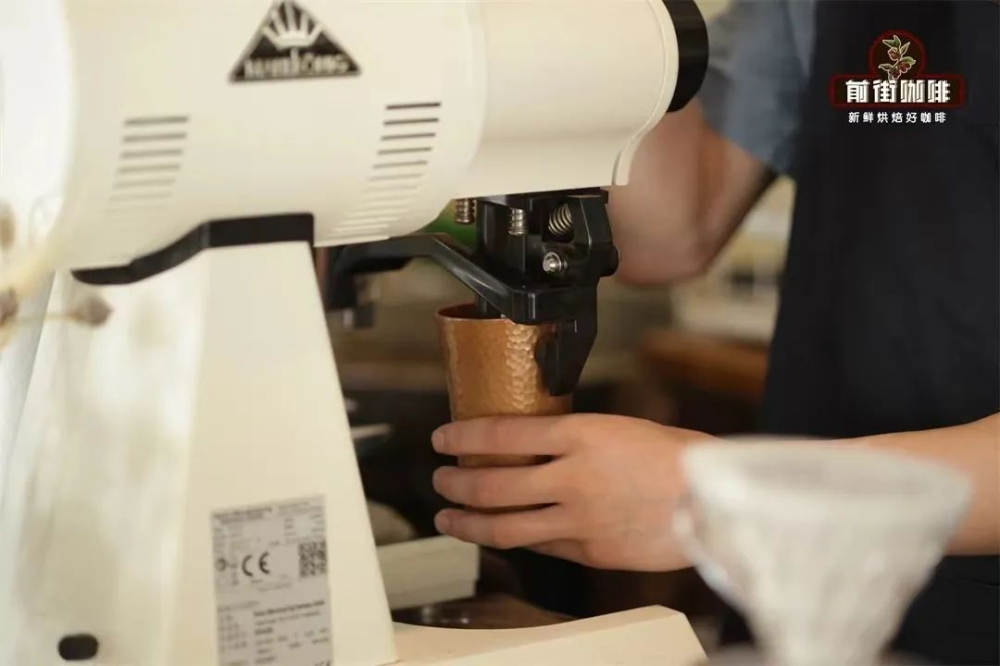
So, what if you accidentally grind too coarse or too fine? Do you have to regrind the beans? Not necessarily. If you find the grind too coarse, you can try increasing the water temperature, slightly extending the bloom time, and using a finer stream to pour slowly, thereby increasing the contact time between water and coffee to compensate for under-extraction. Conversely, if the grind is too fine, it’s recommended to lower the water temperature, shorten the bloom time, or use a larger stream to pour more quickly. You can even allow some water to bypass the coffee bed (bypass) to avoid over-extraction.
It’s worth mentioning that even if you accidentally end up with an espresso-fine grind, there’s a so-called “single-pour” method you can try. Although this approach is harder to control, it can serve as a last resort in emergencies.
Besides grind issues, another common headache is when the coffee bed shows zero expansion after pouring water. Some coffee lovers, seeing a flat, unmoving bed, worry the coffee has gone bad or won’t produce flavor—but there’s no need to give up right away. First, check the roast date of the beans. If they were roasted less than a month ago, freshness is usually not the issue.
If the beans are over a month old, it’s advisable to further smell the dry fragrance and the wet aroma during the bloom. If the scents are clear, without any rancid or stale notes, the beans can still be used. Especially for certain denser light-roast beans, such as the famous Panamanian Geisha, due to their high bean density, internal gases are released more slowly. It’s common not to see obvious blooming at the start of pouring, but this doesn’t necessarily mean the flavor will be poor.
However, a non-blooming coffee bed can also have negative effects—for instance, slower water flow may lead to over-soaking in certain areas, resulting in bitterness or astringency. In such cases, it’s recommended to pour in small circular motions, maintaining the liquid level and reducing pressure on the bottom of the coffee bed. This helps improve water distribution and gas release.
Overall, most “unexpected situations” in pour over brewing can actually be salvaged through scientific parameter adjustments and flexible handling. From grind fineness and water temperature settings, to coffee-to-water ratio, pouring technique, and time management—each aspect deserves careful observation and timely fine-tuning. By understanding the relationships between these variables, you can not only reduce mistakes but also gradually enhance the consistency and flavor of your brews.
The above content is compiled by CoffeeHunters, a coffee news website.


