







Introduction:Coffee silver skin is often regarded as a byproduct of the roasting process, but Japanese companies have transformed it into practical and eco-friendly daily necessities. Ito En and Tully's Coffee have collaborated to produce water-resistant straws from silver skin—just 10 grams of coffee beans' silver skin yields two straws, without affecting the flavor of the beverage. Moreover, as early as 2012, Tully's had already launched eco-friendly paper towels containing silver skin, reducing pulp usage. This article delves into how coffee silver skin has evolved from an overlooked waste material into a functional and sustainable new material, and compares the characteristics of silver skin, coffee grounds, and PLA straws.
In the supply chain of the coffee industry, silver skin has long been merely a byproduct of the roasting stage, often ignored or even discarded. However, Japanese companies are re-examining this thin protective layer on green beans and giving it a new lease on life. Ito En and Tully's Coffee have jointly developed an innovative coffee silver skin straw that not only solves the issue of paper straws becoming soggy when wet, but also combines environmental friendliness with practicality.
These silver skin straws require just 10 grams of naturally shed silver skin from 10 grams of coffee beans during roasting to make two straws. They not only offer good water resistance but also do not interfere with the flavor of the coffee itself. More importantly,the surface of the silver skin straw retains the unique texture of the silver skin, allowing users to feel the original touch of the coffee fruit while enjoying their beverage.
Although this innovative straw is currently available only in limited quantities at some stores in Japan, it has demonstrated the coffee industry’s potential for sustainable innovation. Beyond straws, Tully's Coffee had already introduced eco-friendly paper towels containing silver skin back in 2012, significantly reducing reliance on pulp and offering a new direction for carbon reduction in paper products.
Many consumers are already familiar with the reuse of coffee grounds—for example, Starbucks’ “ grounds straws” have successfully replaced traditional paper straws and improved the drinking experience. In contrast, silver skin, which also comes from the coffee fruit, has received little attention in the past. In fact, silver skin naturally peels off during roasting and was previously considered a useless byproduct, but it actually holds significant reuse value.
Compared to regular paper straws, silver skin straws have stronger structural stability and are less prone to deformation or releasing odors when exposed to water. Additionally, since silver skin is derived from coffee beans, it does not negatively affect the flavor of the beverage during use—an advantage that many synthetic materials such as PLA straws struggle to achieve.
Currently, the market offers a variety of eco-friendly straw options, including coffee grounds straws, PLA biodegradable straws, and the latest silver skin straws. Each material has its own characteristics: coffee grounds straws have a faint coffee aroma, PLA straws are transparent and have a plastic-like feel, while silver skin straws combine a natural texture with durability. Consumers can choose the most suitable option based on personal preference and usage scenario.
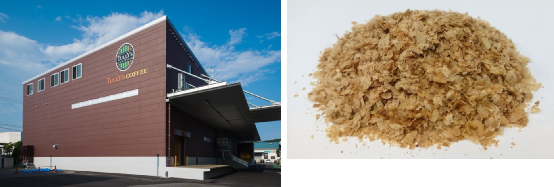
It is worth noting that the current silver skin straws and paper towels are not made entirely from silver skin but use it as an additive mixed with other ingredients. Even so, this innovative approach effectively reduces pulp usage and represents an important step toward sustainable packaging.
As consumer awareness of environmental issues grows, various aspects of the coffee industry are gradually being re-evaluated. From coffee grounds to silver skin, these materials once considered waste are now being transformed into practical eco-friendly products. In the future, we may see even more innovative products inspired by the coffee fruit, further advancing the coffee industry’s circular economy model.
The above content is compiled by CoffeeHunters, a coffee news website.


