







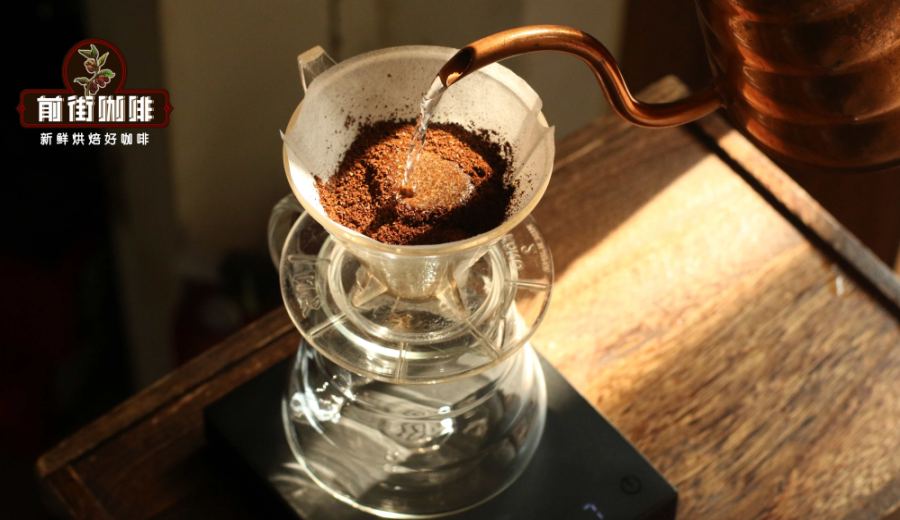
Introduction:The pouring method in pour over coffee directly affects the extraction rate and flavor profile of the brew. This article provides an in-depth comparison between center pour and circular pour techniques in both single-pour (一刀流) and three-stage (三段式) brewing methods. By analyzing key factors such as extraction efficiency, temperature retention, and coffee bed contact, we explore how their differences impact the final cup. We also examine how a combined three-stage approach (三刀流) can optimize overall flavor balance. Whether you're new to pour over or a precision-focused coffee enthusiast, you'll find practical brewing adjustments to enhance your results.
In the world of pour over coffee, the way you pour water often determines the final flavor outcome. Many coffee lovers have found through practice that even with the same coffee beans and grind size, simply changing the pouring path can lead to dramatically different taste experiences. Among the various techniques, center pour and circular pour are the most frequently discussed. This article will delve into the performance differences of these two pouring methods in single-pour and three-stage brewing, using experimental data, and explain how a combined three-stage approach can achieve more even extraction and a cleaner flavor profile.
First, let’s focus on the single-pour scenario. In this comparative experiment, a slow, small stream of water was used to minimize turbulence caused by the angle of the pour. During the bloom phase, a circular pour was consistently applied to ensure even initial wetting of the coffee bed. The actual extraction was then carried out using either a center pour or a circular pour. The results showed that:the coffee brewed with a center pour achieved a concentration of 1.23%, slightly higher than the 1.10% from the circular pour.This data indicates that under the condition of a small water stream, the center pour actually demonstrates a higher extraction efficiency.
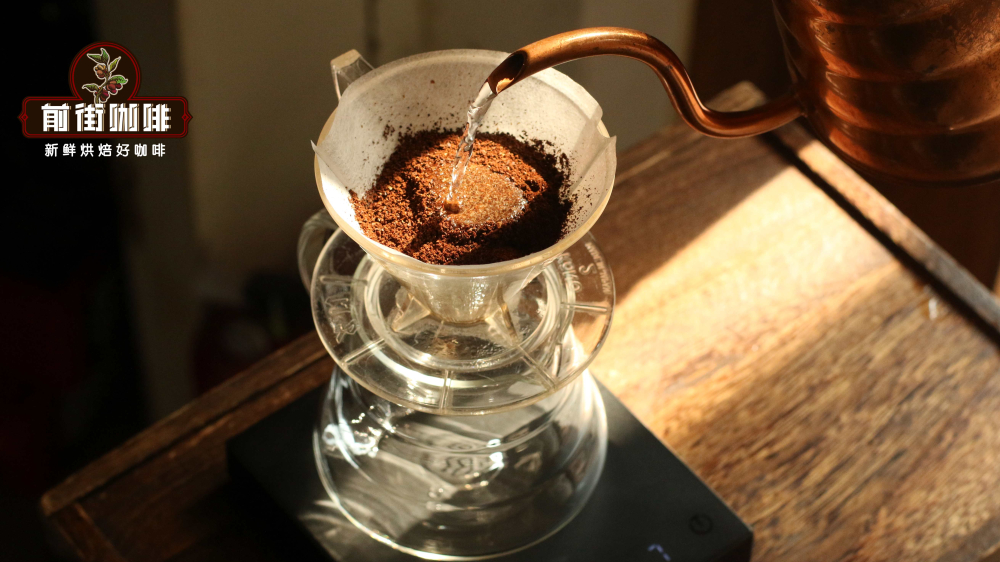
Why does the center pour show a higher extraction rate with a small water stream? There are two main reasons. The first is temperature retention. Although the kettle temperature was set the same, the actual brewing water temperature within the coffee bed is influenced by the interaction between the water stream and air exposure. A center pour, which involves minimal movement or slight agitation, has less surface area exposed to air, helping it maintain water temperature more effectively and reduce heat loss. The second reason is the difference in distribution of contact area across the coffee bed. Most pour over filters have a conical shape that is wider at the top and narrower at the bottom, resulting in a thicker coffee bed in the center and thinner towards the edges. A center pour directly targets the thicker central section while allowing the water to naturally spread outward, leading to more uniform extraction across the entire bed.
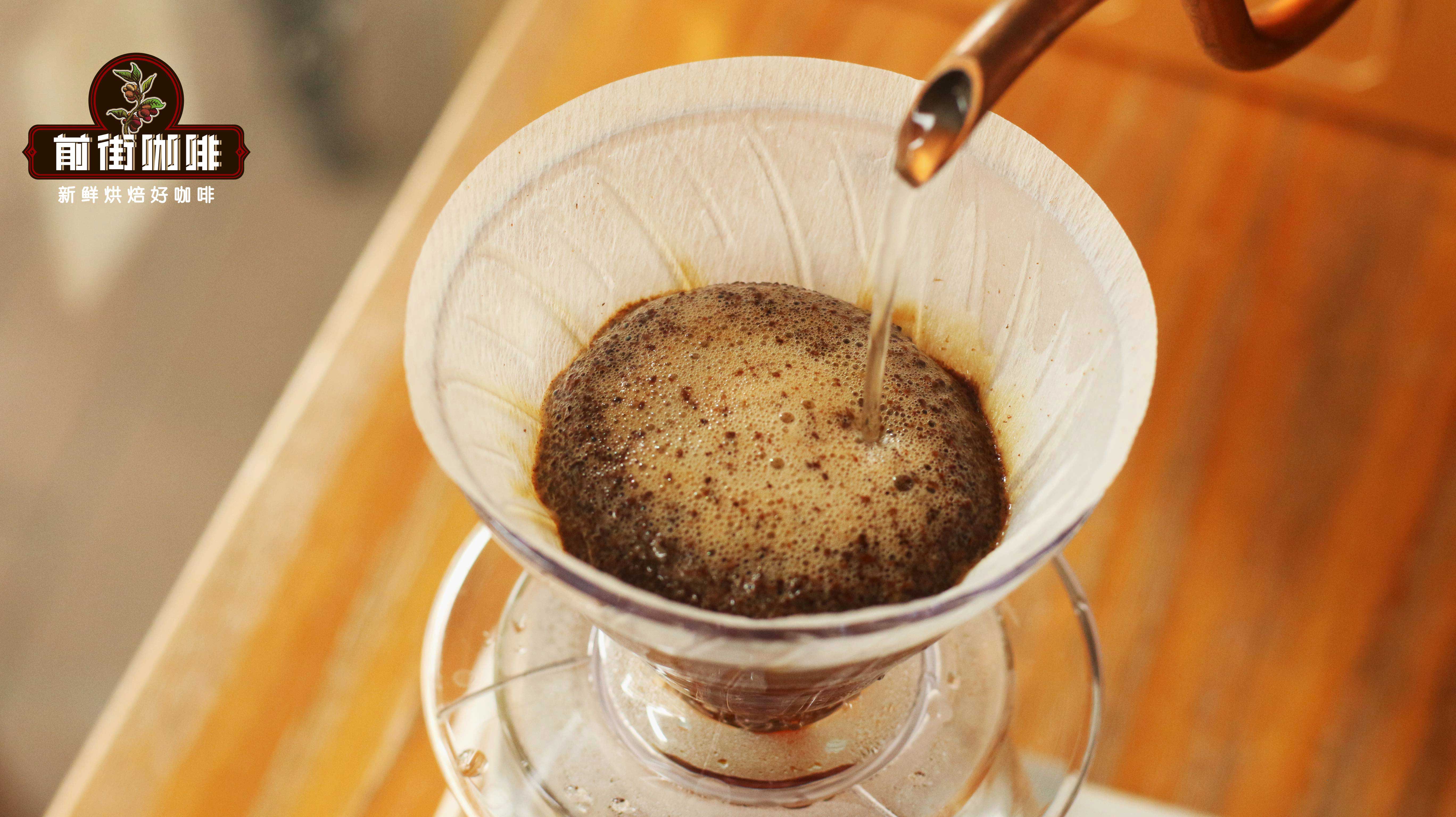
However, the flavor profile told a different story. Tasting results showed that coffee brewed with a center pour had a more concentrated flavor with noticeable bitterness and astringency, whereas the circular pour produced a smoother and more balanced cup. This suggests that although the center pour achieved a higher extraction rate numerically, its uneven extraction distribution—over-extracting the center and under-extracting the edges—ultimately compromised the overall harmony of flavors.
Next, we further examined the performance under a three-stage pouring method. The experimental parameters remained largely the same, except that the single-pour method was replaced with a three-stage approach. The test results showed that:the concentration for the center pour was 1.32%, while the circular pour increased to 1.45%.In this round of comparison, the circular pour demonstrated a higher extraction efficiency. The analysis suggests that this was mainly due to the reduced height of the coffee bed compared to the single-pour method, along with a longer total pouring time, which made the disturbance and extraction effect of the water stream more pronounced. Additionally, stable water level control helped reduce water loss from the edges, further enhancing overall extraction performance.
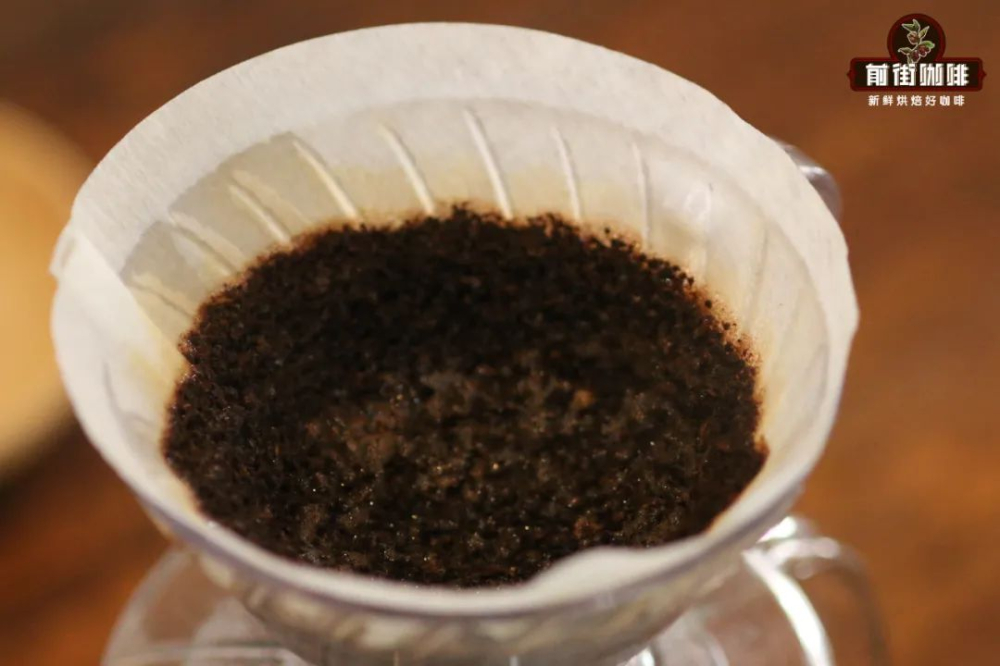
Based on the above experiments, we can conclude that each individual pouring method has its own strengths and weaknesses. The center pour can achieve a higher extraction rate under specific conditions but is prone to uneven flavor distribution. The circular pour, on the other hand, excels in flavor balance and stability, though its extraction efficiency may be slightly lower in certain scenarios. To leverage the advantages of both, many baristas recommend adopting a comprehensive pouring strategy known as the “three-stream method” (三刀流).
The so-called three-stream method refers to dividing the brewing process into three main pouring stages: First, during the bloom phase, a circular pour is still used to ensure even pre-wetting of the coffee grounds. Next, the first stream (第一刀) uses a circular pour to allow the water to evenly penetrate the entire coffee bed. The second stream (第二刀) switches to a smaller circular pour to further stabilize the extraction process and reduce unnecessary turbulence. Finally, the third stream (第三刀) employs a center pour to help suppress over-extraction and prevent the release of unwanted off-flavors, thereby enhancing the overall clarity and layering of the cup’s flavor.
Through this phased, multi-angle pouring combination, not only is extraction uniformity achieved, but flavor expression can also be effectively fine-tuned, allowing each cup of pour over coffee to reach its optimal flavor potential. Whether you’re a beginner just starting with pour over or a coffee aficionado chasing the pinnacle of extraction precision, understanding and skillfully applying these pouring techniques will significantly elevate your coffee experience.
The above content is compiled by CoffeeHunters, a coffee news website.


