








Introduction:A 105-year-old grandmother from Lishui, Zhejiang, claims to have been drinking coffee for over a century, sparking widespread public interest in the intersection of coffee culture and health. This article explores the development of coffee in China since the Qing Dynasty, delving into its early moniker "black wine," the flourishing of Shanghai’s coffeehouses during the Republican era, to modern medical advice on children’s caffeine intake. It helps readers understand the evolving social role of coffee in China and provides a rational analysis of the differences between traditional habits and contemporary health perspectives.
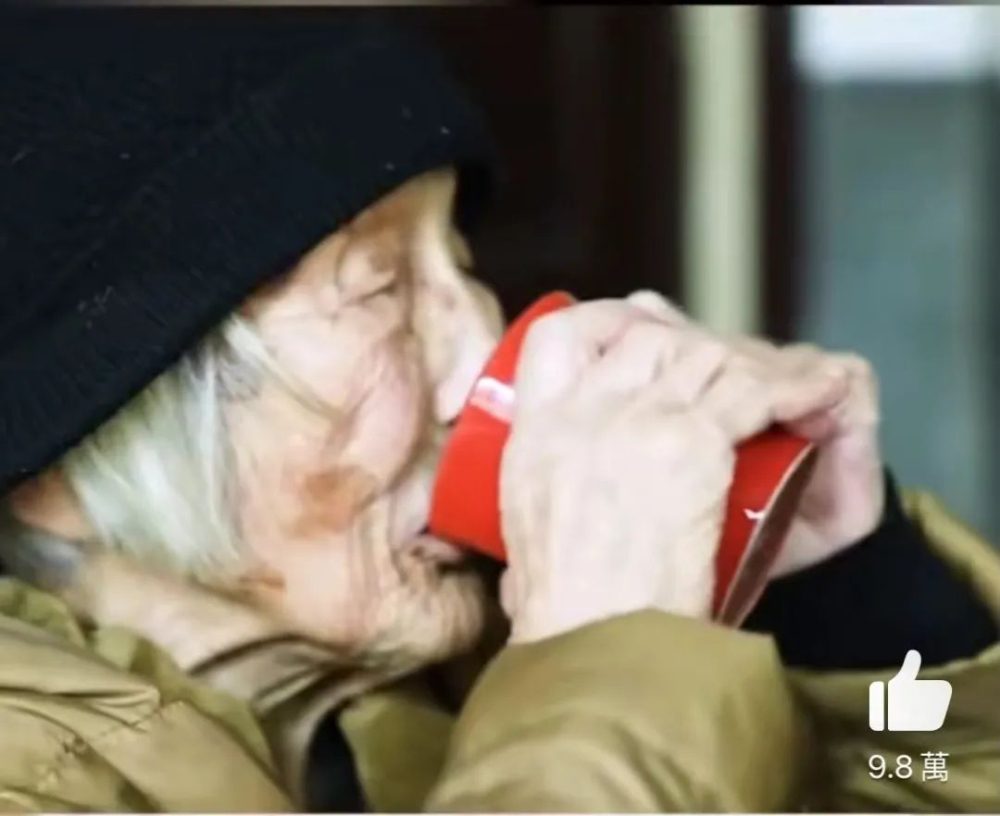
Recently, an interview video from Lishui, Zhejiang, went viral on social media, featuring a 105-year-old woman who claims to have been drinking coffee for more than a hundred years. She revealed that she was introduced to coffee by foreign friends in her childhood and has maintained the habit of enjoying a cup in the afternoon ever since. However, netizens raised numerous questions about details such as "a three-year-old drinking coffee" and the fact that the centenarian still opts for instant coffee, turning this heartwarming story into an unexpected entry point for discussing the evolution of Chinese coffee culture and the clash of health viewpoints.
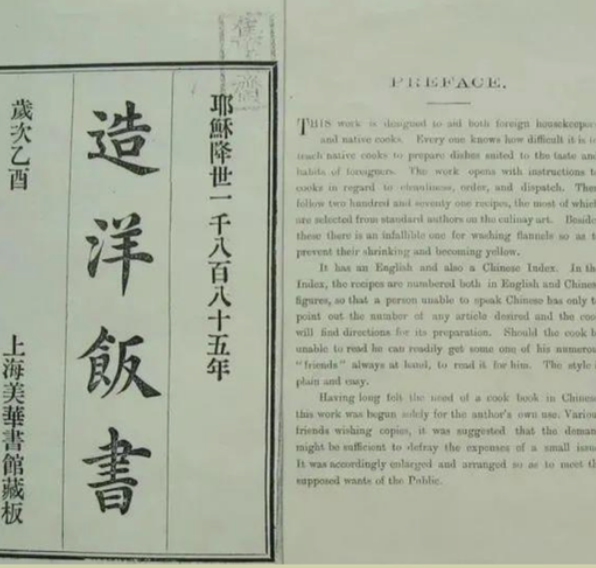
In fact, as early as the Qing Dynasty, coffee had entered China through Western merchants and missionaries, though it did not become a widespread beverage and was primarily limited to foreign communities. According to records, the earliest Chinese transliteration of the word "coffee" can be traced back to 1866, in The Western-style Cooking Book published by the American Presbyterian Mission Press, where "COFFEE" was translated as "磕肥" (kē féi), indicating that systematic introductions of Western food culture to the Chinese were already underway. Later, other transliterations such as "加非" (jiā fēi), "高馡" (gāo fēi), and "考非" (kǎo fēi) also appeared in various newspapers and books.

Interestingly, before the term "咖啡" (kā fēi) became the standard name for this beverage, Qing Dynasty literature and folk speech often referred to this dark, energizing drink as "黑酒" (hēi jiǔ), meaning "black wine." The Qing Dynasty playwright Li Dou, in his work Yangzhou Huafang Lu, recorded that in the 16th year of the Daoguang reign (1836), a Danish merchant opened China’s first coffeehouse near the Thirteen Factories in Guangzhou. It was then called a "黑馆" (hēi guǎn, black house), and the drink served was referred to as "黑酒." The Guangdong General Annals also mentioned that "黑酒" was a post-meal beverage commonly consumed by foreigners and was said to aid digestion.
With the opening of Shanghai’s port and the growth of international trade, coffeehouses gradually emerged in the concession areas. The first coffeehouse named with "COFFEE" and targeting Chinese customers was the "Baoli Coffee Shop," which opened in 1906 on Fuzhou Road in Shanghai. It advertised in the newspaper Shen Bao at the time, marking the moment when domestic consumers officially entered the coffeehouse culture. The coffee options available were diverse, including freshly brewed coffee as well as condensed coffee candies, coffee syrup, and coffee paste, allowing customers to customize their drinks according to personal taste.
From 1917 to 1937, Shanghai’s coffee industry experienced rapid growth, with a significant increase in the number of coffeehouses, mainly concentrated in commercial hubs and areas with large expatriate populations. However, due to its relatively high price, coffee remained a luxury enjoyed by only a few. Returning to the story of today’s 105-year-old grandmother, she mentioned being introduced to coffee by foreigners, leading to speculation that she may have lived in Shanghai or abroad during her earlier years, where she encountered this then-niche Western beverage and developed a lifelong habit.
Regarding netizens’ concerns about whether "a three-year-old child should drink coffee," it is necessary to clarify from a modern medical perspective. The American Academy of Pediatrics explicitly states that children and adolescents should avoid coffee and strictly limit their overall caffeine intake. In fact, aside from coffee itself, many everyday foods such as sodas, teas, chocolates
As for why a century-long coffee enthusiast now opts for instant products, it may be related to personal dietary habits, convenience, or the mug she has used for years. In the early days, the coffee market had not yet developed the refined specialty coffee concepts we have today, with dark roasted blends dominating and often mixed with generous amounts of sugar and milk to achieve a strong flavor. For grandma, maintaining the same taste and convenience was far more practical than pursuing specialty coffee. Moreover, the instant coffee cup in her hand might also be a personal item she has used for many years, and may not necessarily reflect a change in her current preferences.
In summary, the coffee story of this 105-year-old grandmother is not only a continuation of personal habit but also a microcosm of the century-long evolution of coffee culture in China. From the initial encounter with "black wine" during the Qing Dynasty, to the flourishing of coffeehouses in Shanghai during the Republican era, to modern scientific recommendations on caffeine intake, each stage reflects the progression of social development and health perspectives. Regarding the balance between coffee and health, it is advised that everyone make rational choices and enjoy it in moderation, based on their own constitution and lifestyle.
The above content is compiled by CoffeeHunters, a coffee news website.


