







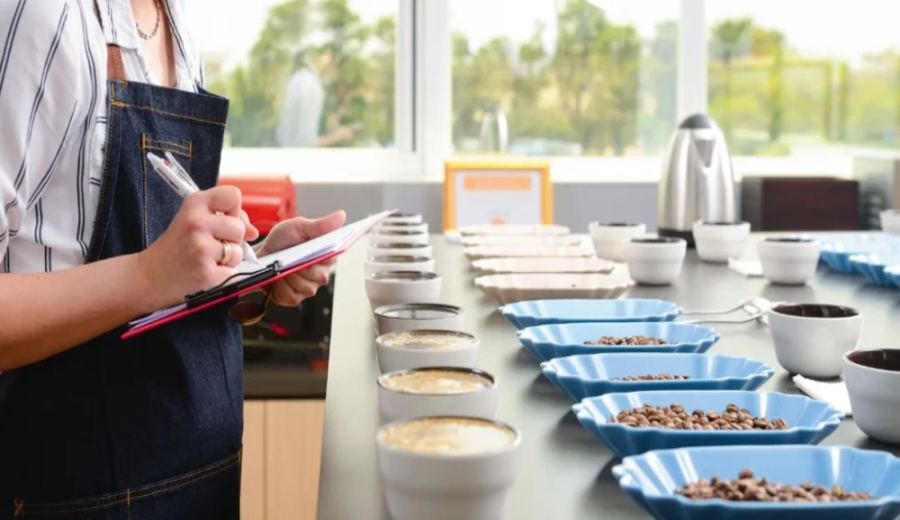
Introduction:The difference between specialty coffee and commercial coffee is often simplistically attributed to the SCA cupping score of 80 as the dividing line. But behind this standard lies much more detail about origin, processing methods, and roast levels. This article will delve into the SCA scoring system, the true definition of specialty coffee beans, and help you understand how to distinguish the two from a cupping perspective—so you can make smarter purchasing decisions.
In the world of coffee, “specialty coffee beans” and “commercial coffee beans” are two commonly mentioned categories, but many people have only a vague understanding of their actual differences. According to the Specialty Coffee Association (SCA) cupping system, a coffee that receivesa score of 80 or aboveis generally classified as a specialty coffee bean; conversely, those scoring below 80 are considered commercial coffee beans. However, this seemingly simple numerical benchmark actually encompasses many more complex factors.
It’s worth noting that the SCA does not actively score coffee beans on the market itself. The so-called “SCA scores” we often hear about come from the cupping methodology taught in SCA training courses, where students evaluate coffee according to this set of standards. In other words, this score is not an official certification, but rather an industry reference evaluation method. Therefore, using it to strictly differentiate specialty from commercial coffee beans still has certain limitations.
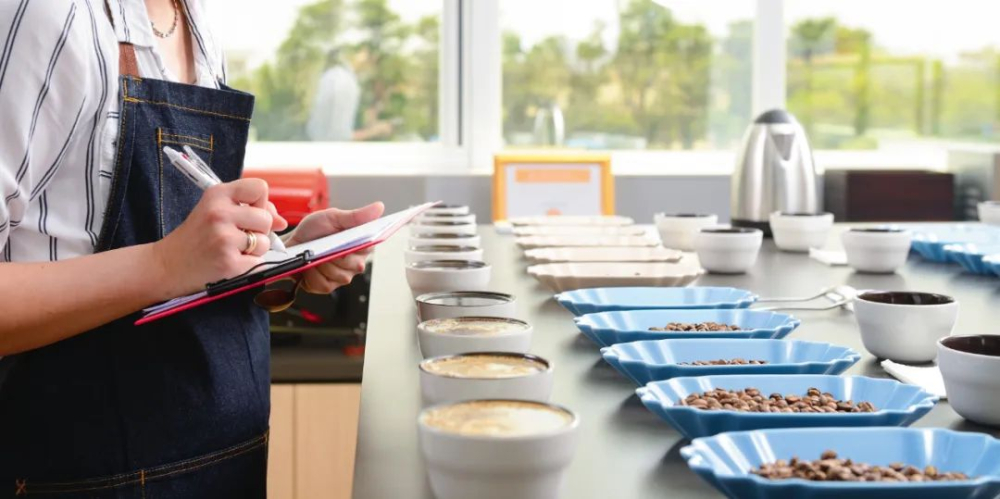
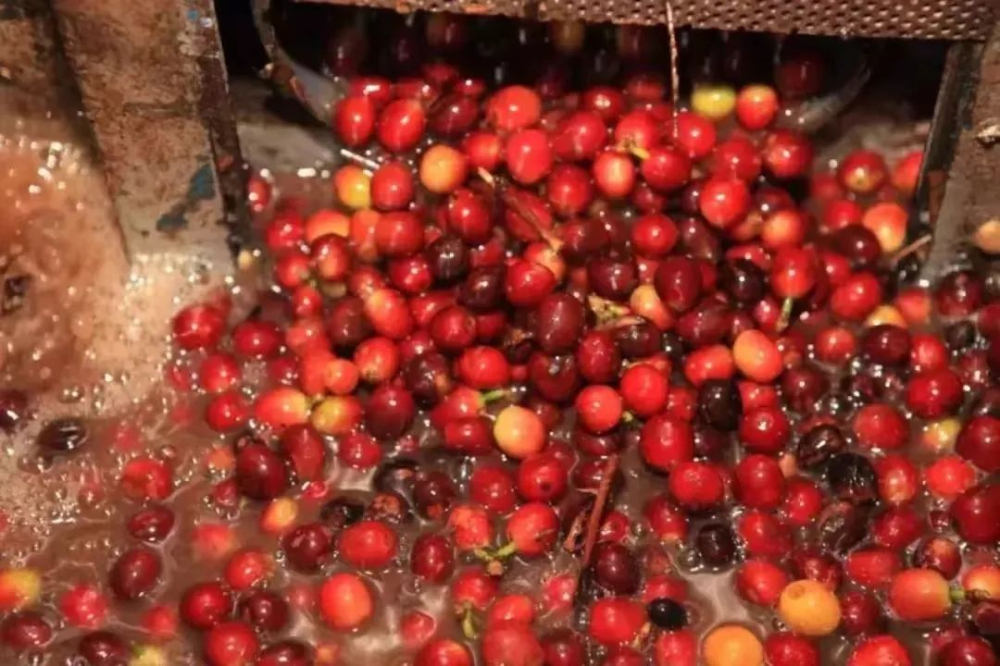
So, what does specialty coffee really represent? Simply put, it’s not just a symbol of a high score—it signifies the pursuit of excellence in every step, from coffee bean cultivation, harvesting, processing, to roasting. Specialty coffee typically comes from specific regions, boasting unique terroir conditions, and during processing, farmers and processors pay special attention to details such as fermentation and drying, to bring out the richest flavor profiles of the beans.
In contrast, commercial coffee beans prioritize yield and consistency, often sourced from large-scale plantations, with more standardized processing methods. These beans may sacrifice nuanced flavors in pursuit of cost-efficiency, which is why they remain the go-to choice for many everyday coffee drinkers.
If you want to gain a deeper understanding of coffee bean grading, you can start by looking at it from a cupping perspective. The SCA cupping score covers multiple dimensions, including aroma, flavor, aftertaste, acidity, body, balance, and overall impression. A coffee scoring above 80 usually performs excellently in these areas, especially in terms of flavor complexity and consistency.
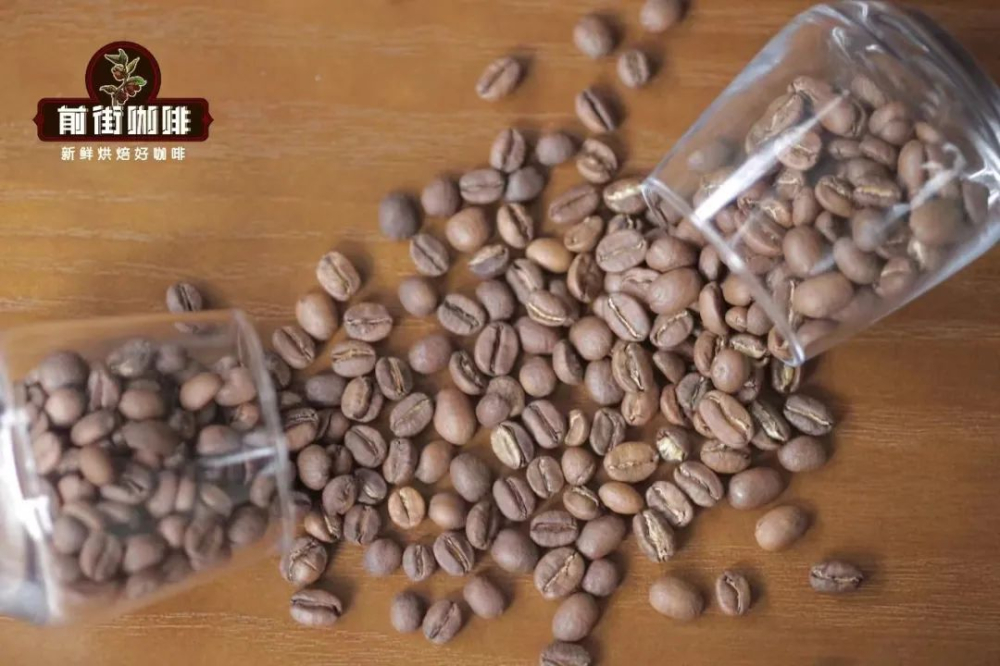
However, the average consumer doesn’t need to become a professional cupper to assess coffee quality. You can start with a few practical pointers: first, observe whether the coffee beans are uniform in appearance and free of obvious defects; second, smell the dry fragrance after roasting and the wet aroma after brewing—specialty coffee often emits richer notes of fruit, flowers, or caramel; finally, when tasting, pay attention to whether the acidity is bright yet not sharp, the body is well-balanced, and the aftertaste is long-lasting.

Additionally, when selecting coffee beans, it’s also helpful to look closely at origin information and processing methods. Specialty coffee beans often come with detailed information about the growing region, altitude, and harvest year—details that can help you better understand the flavor background of the coffee. For example, beans from Ethiopia often feature citrus and blueberry notes, while those from Colombia may offer nutty and chocolatey flavors. Processing methods such as washed, natural, or honey processing can also greatly influence the final flavor profile.
In summary, although the SCA’s 80-point standard provides a reference point, the difference between specialty and commercial coffee goes far beyond a single number. By understanding the cupping system, flavor characteristics, and selection tips, you’ll be able to confidently choose coffee beans that suit your taste—whether you’re seeking the refined experience of a pour over or a rich daily brew.
The above content is compiled by CoffeeHunters, a coffee news website.


