







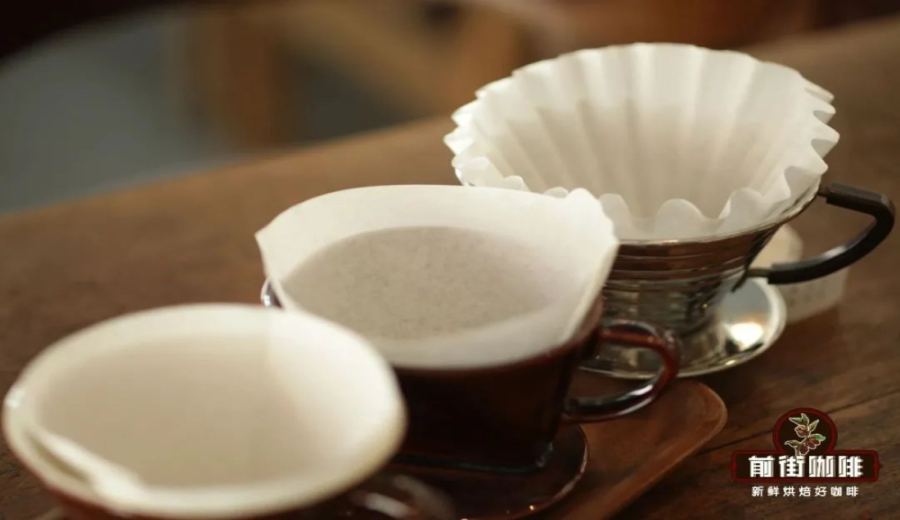
Introduction:The extraction flavor of pour over coffee is actually influenced from the very beginning by the filter paper. There is a wide variety of filter papers on the market, ranging from fan-shaped to cone-shaped, bleached to unbleached—each with its own suitable scenarios and characteristics. This article will explain in detail how to choose the right filter paper based on the shape of your filter cone, analyze the differences between bleached and unbleached filter papers, and provide practical price references to help you select the most suitable filter paper and enhance the overall performance of your pour over coffee.
In the world of pour over coffee, although filter paper may seem insignificant, it has a non-negligible impact on the final extraction results and flavor presentation. Many coffee enthusiasts, when selecting filter paper, often focus only on the brand or price, while neglecting the compatibility between the filter paper shape and the filter cone, as well as the differences in bleaching processes. This article will delve into how to choose the most suitable filter paper shape according to the type of filter cone you are using, analyze the core distinctions between bleached and unbleached filter papers, and provide a price range reference so that both beginners and advanced users can find the most appropriate filter paper choice.
First and foremost, the most important step before purchasing filter paper is to confirm the type of filter cone you are currently using. Different filter cone designs—such as fan-shaped, cone-shaped, or flat-bottomed—correspond to specific shapes of filter paper. For example, common Melitta or Kalita filter cones feature a fan-shaped design and therefore require fan-shaped filter paper; while cone-shaped filter cones such as V60 or Kono must use cone-shaped filter paper; as for flat-bottomed filter cones, like the cake filter cone, you need to choose cake-shaped filter paper specifically designed for flat-bottom designs. Though this step may seem simple, it is the foundation for ensuring even coffee extraction and pure flavor.
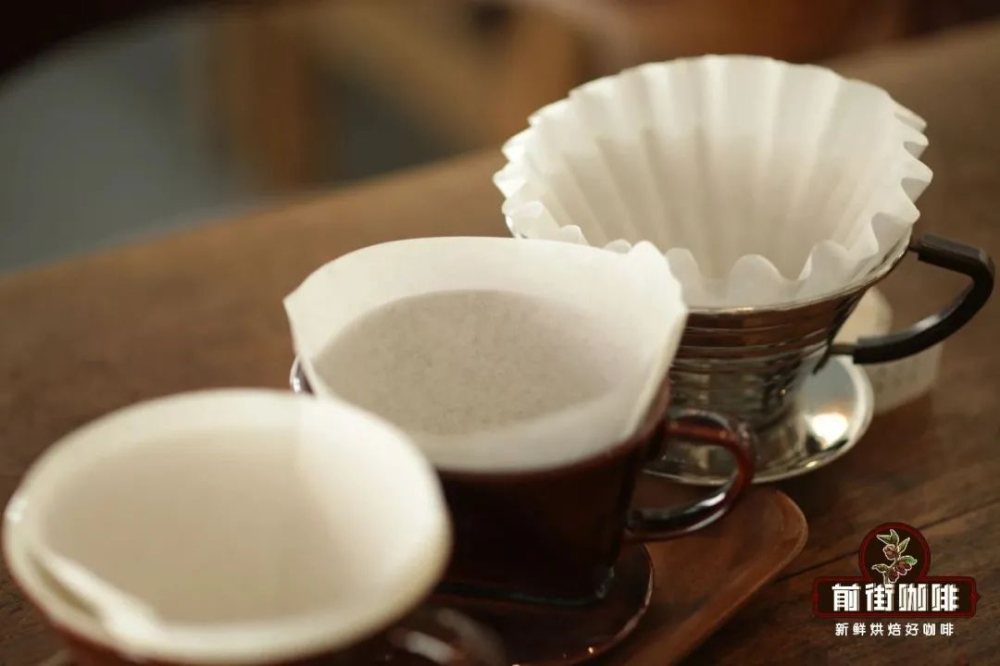
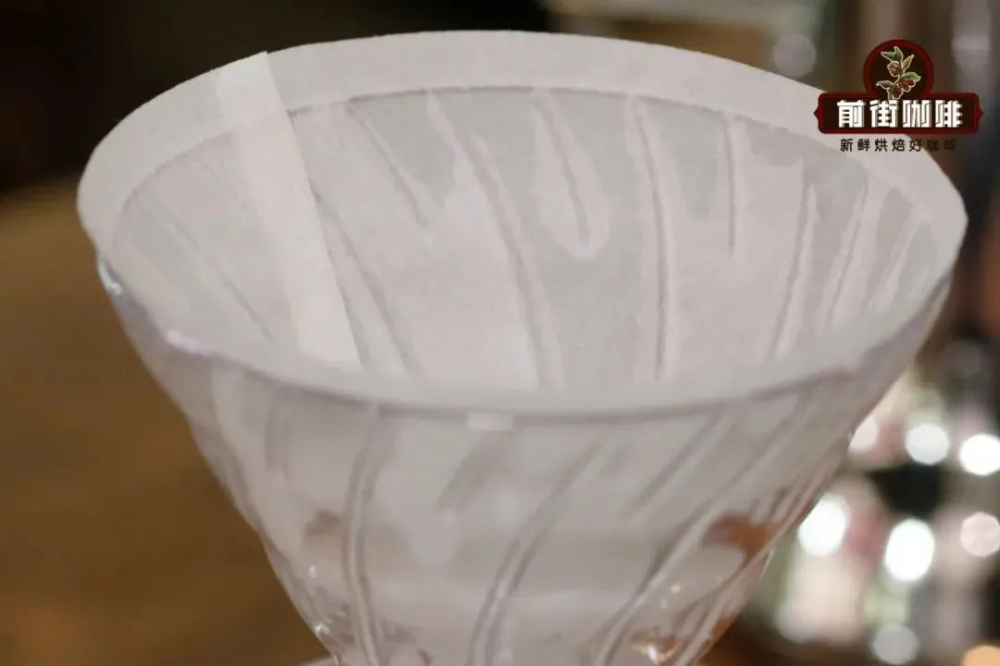
Fan-shaped filter paper usually has a larger filtration area, which can effectively reduce clogging of the coffee grounds bed and is suitable for brewing methods that pursue stable flow rate and clear flavor. Cone-shaped filter paper, due to its tapered design, can guide the water flow to concentrate through the coffee grounds layer, making it suitable for brewing rich-flavored coffee that requires a longer extraction time. Cake-shaped filter paper, with its three-layer structure, can support the coffee grounds bed and reduce the passage of fine particles, making it suitable for the brewing needs of flat-bottomed filter cones. Understanding these basic differences can help you make more accurate judgments when purchasing.
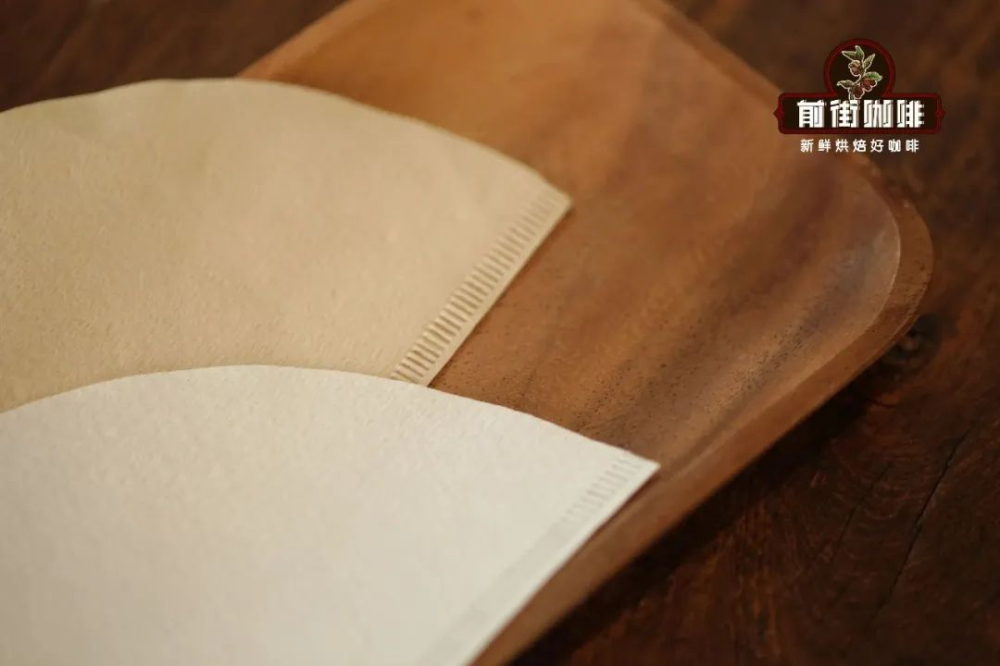
In addition to shape compatibility, the bleaching process of filter paper is also an important factor affecting flavor. Bleached filter paper usually undergoes chemical treatment to remove impurities and off-flavors from the pulp, making it suitable for coffee enthusiasts who are sensitive to flavor. Common bleaching methods include oxygen bleaching and chlorine bleaching, with oxygen bleaching being relatively more environmentally friendly and leaving no chemical residues. Unbleached filter paper, on the other hand, is not subjected to bleaching treatment, retaining the natural color of the pulp and possibly carrying a slight paper-like aroma, making it suitable for users who prefer an original flavor or are environmentally conscious. It should be noted that unbleached filter paper is recommended to be rinsed with hot water before use to remove any potential paper taste.
In terms of price, the differences in filter paper mainly depend on material, processing, and brand. Generally speaking, ordinary bleached filter paper is more affordable and suitable for daily use; whereas high-quality unbleached filter paper or specially processed filter paper may be slightly more expensive, but usually offer a purer extraction experience. It is recommended to choose the most suitable type of filter paper based on your brewing habits and budget. For example, if you often brew light-roasted coffee, you may need higher-quality bleached filter paper to ensure flavor purity; whereas if you prefer dark-roasted coffee or have less stringent flavor requirements, unbleached filter paper is also a good option.
In addition, the way filter paper is used can also affect the final extraction results. Before starting the actual brew, it is recommended to rinse the filter paper with hot water. This not only helps remove any possible paper taste, but also preheats the filter cone to maintain temperature stability during coffee extraction. While rinsing, pay attention to ensuring the filter paper fully adheres to the filter cone to avoid any leakage during the brewing process. These small details, though seemingly simple, can have a significant impact on the overall performance of the coffee.
In summary, choosing the right pour over filter paper requires a comprehensive consideration of the filter cone shape, bleaching process, price, and personal flavor preferences. Whether you are a beginner just getting started or an advanced user looking to optimize your brewing details, understanding these basic principles can help you make more informed choices. Through practical testing and adjustments, you will be able to find the filter paper combination that best suits your taste, allowing each cup of pour over coffee to showcase its optimal flavor.
The above content is compiled by CoffeeHunters, a coffee news website.


