







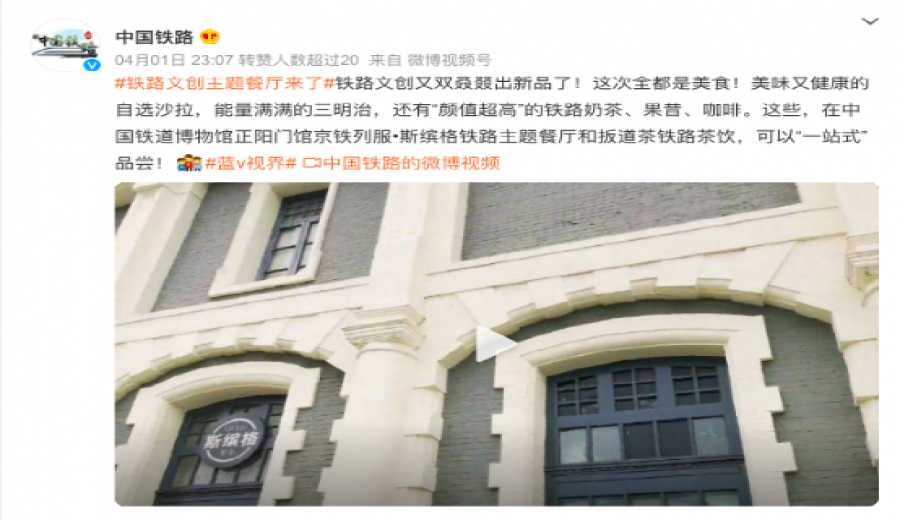
Introduction:In recent years, China Railway has made frequent cross-sector ventures beyond transportation. Its latest move is the launch of a cultural and creative restaurant themed around railway culture at the Zhengyangmen branch of the China Railway Museum, along with the introduction of a beverage brand called "Bangdao Tea," offering a variety of options including tea drinks, juices, and coffee. This article will delve into the product strategy, pricing logic, and the market challenges and opportunities behind this brand, offering an in-depth look at how a state-owned enterprise is performing in the beverage industry.
Following China Post’s launch of its own coffee brand, China Railway has officially joined the ranks of state-owned enterprises venturing into the food and beverage sector. It has chosen to open a cultural and creative-themed restaurant centered on railway culture at the Zhengyangmen branch of the China Railway Museum. In addition to providing healthy light meals, the venue also features a dedicated area selling freshly made tea drinks, juices, and coffee—all unified under the new brand "Bangdao Tea."
This brand, named after the railway term "bangdao" (which refers to the operation of track switches to redirect train routes), draws inspiration from the action of guiding trains onto different tracks, cleverly combining the brand’s background with cultural symbolism. According to on-site observations, the brand’s price range falls between12 and 32 RMB per cup, and the interior decoration heavily incorporates railway elements—from miniature tracks and steam locomotive models hanging from the ceiling to seats mimicking the interiors of green trains and window-side designs—all reinforcing the railway-themed ambiance.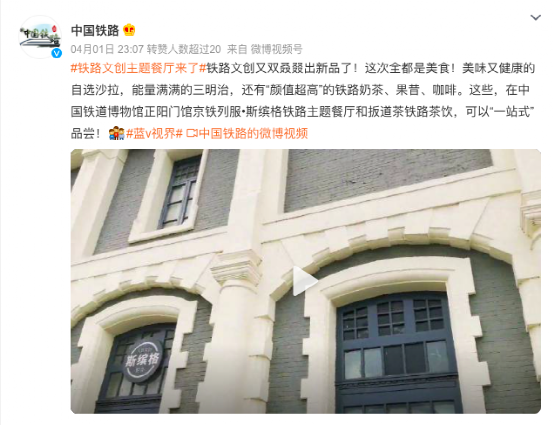
The actual menu shows that Bangdao Tea offers a variety of drinks, including Caramel Chestnut Thick Milk Tea, Cappuccino, and Mango Pomelo Sago. Its pricing strategy is similar to that of the well-known tea brand Heytea before its price cuts, with most flagship products priced between22 and 32 RMB. However, according to consumer feedback, the brand’s drinks are generally noted to be overly sweet and lack common customization options—such as sweetness level, ice amount, or mix-ins—that are typically available at modern tea shops, which affects the overall customer experience.
On local review platforms such as Dianping, some customers mentioned that although the sweetness level is fixed and high, the preparation process is transparent and the ingredients used are of decent quality. However, there are also comments pointing out that the brand name "Bangdao Tea" is somewhat unfamiliar and hard to remember for the average consumer. Additionally, the store’s location inside the Railway Museum is relatively remote, resulting in limited foot traffic, sparse online sharing, and fewer discussions.
In fact, this is not China Railway’s first attempt in the beverage market. As early asNovember 2021, the company launched high-speed rail milk tea. However, due to its high price and poor taste, it sparked heated online discussions within just two days of its release, even becoming a trending topic on Weibo. One such topic, "High-Speed Rail Milk Tea Criticized as Worse Than 1-Yuan Xiangpiaopiao," even topped the hot search list. Later that same month, the company introduced high-speed rail coffee, demonstrating its ambition to expand into multiple beverage categories.
Compared to China Post, which has approached the markets for milk tea (e.g., "Youyang de Cha") and coffee (e.g., "Post Office Coffee") in stages, China Railway has opted for a parallel multi-track strategy this time, diving into the three major areas of light meals, tea drinks, and coffee all at once, showcasing a more aggressive market expansion approach. However, due to the relatively hidden location of the "Bangdao Tea" store, the brand name’s lack of mass appeal, and the drinks’ fixed sweetness levels and low degree of customization, the actual number of visitors remains limited. Whether it can successfully expand its market and enhance brand recognition in the future remains to be seen.
The above content is compiled by CoffeeHunters, a coffee news website.


