








Introduction:When faced with unstable coffee bean supply or limited stock at home, many coffee enthusiasts begin to think about how to use every gram of coffee beans more efficiently. This article will introduce a variety of practical brewing adjustment strategies, including modifying brew ratios, reusing consumables, and making the most of available tools, helping readers extend their enjoyment of coffee with limited resources while maintaining flavor and professionalism.
As coffee bean inventories start to run low, many coffee lovers get creative, striving to maximize the value of every gram. Whether it’s adjusting brew parameters, reusing filter paper, or even using special methods to brew the very last coffee bean, everyone is working to prolong their coffee enjoyment.
Some common practices include reducing the amount of coffee grounds used each time while increasing the water ratio—adjusting the coffee-to-water ratio—to make a single brew last longer. Additionally, many choose to wash and dry used filter paper for reuse, which may slightly affect taste but serves as a temporary solution when beans are scarce.
Household items such as drip coffee bags, capsule shells, and even cold brew devices have been repurposed. For example, the filter bags in drip coffee packs are more durable than regular filter paper, and some coffee enthusiasts clean and reuse them multiple times, recommending rinsing with brew water to maintain consistent flavor.
Some rarely used tools, such as metal filters, French presses, and even mini espresso machines, have made a comeback. Even if not commonly used, they now become helpful in extending coffee supplies. More interestingly, some netizens share the therapeutic process of using pour-over kettles to water plants—while you can’t taste the coffee, the ritual of pouring still brings calm and relaxation.
When coffee beans are truly running out, some try to meticulously extract the flavor from the last one or two beans, whether through pour over or cold brew, preserving as much of their taste as possible.It is recommended to use a coarser grind size along with cold brew or cold drip methods.This not only reduces the release of caffeine per brew but also minimizes off-flavors through low-temperature extraction, enhancing the overall drinking experience.
Moreover, cold brew is considered one of the versatile solutions when bean supply is limited. As long as the brewing container is clean, oil-free, and well-sealed, the cold-brewed coffee can be stored in the refrigerator for about five to six days. Take out a suitable amount each day, dilute with water or milk, and enjoy. This not only extends shelf life but also allows personal adjustment of strength to taste.
If there’s not enough coffee powder for a normal pour over, some suggest emptying the coffee canister and refilling it with leftover grounds from drip bags, then using available filter bags or even stockings as substitutes for filtering, to make a final brew. Although these methods may not deliver the best flavor, they can still provide a familiar coffee aroma when resources are limited.
Some netizens have taken creativity to the extreme by processing the very last coffee bean via cold brew or cold drip, emphasizing that low-temperature extraction preserves delicate flavors not revealed at higher temperatures. They also suggest drying the coffee grounds afterward, grinding them finely, and attempting to reuse them via espresso or pour over methods.
Whether it’s adjusting brew parameters, reusing consumables, or discovering new uses for coffee tools, these methods not only showcase the creativity and perseverance of coffee enthusiasts but also allow people to continue enjoying the process of brewing and savoring coffee even when supplies are scarce.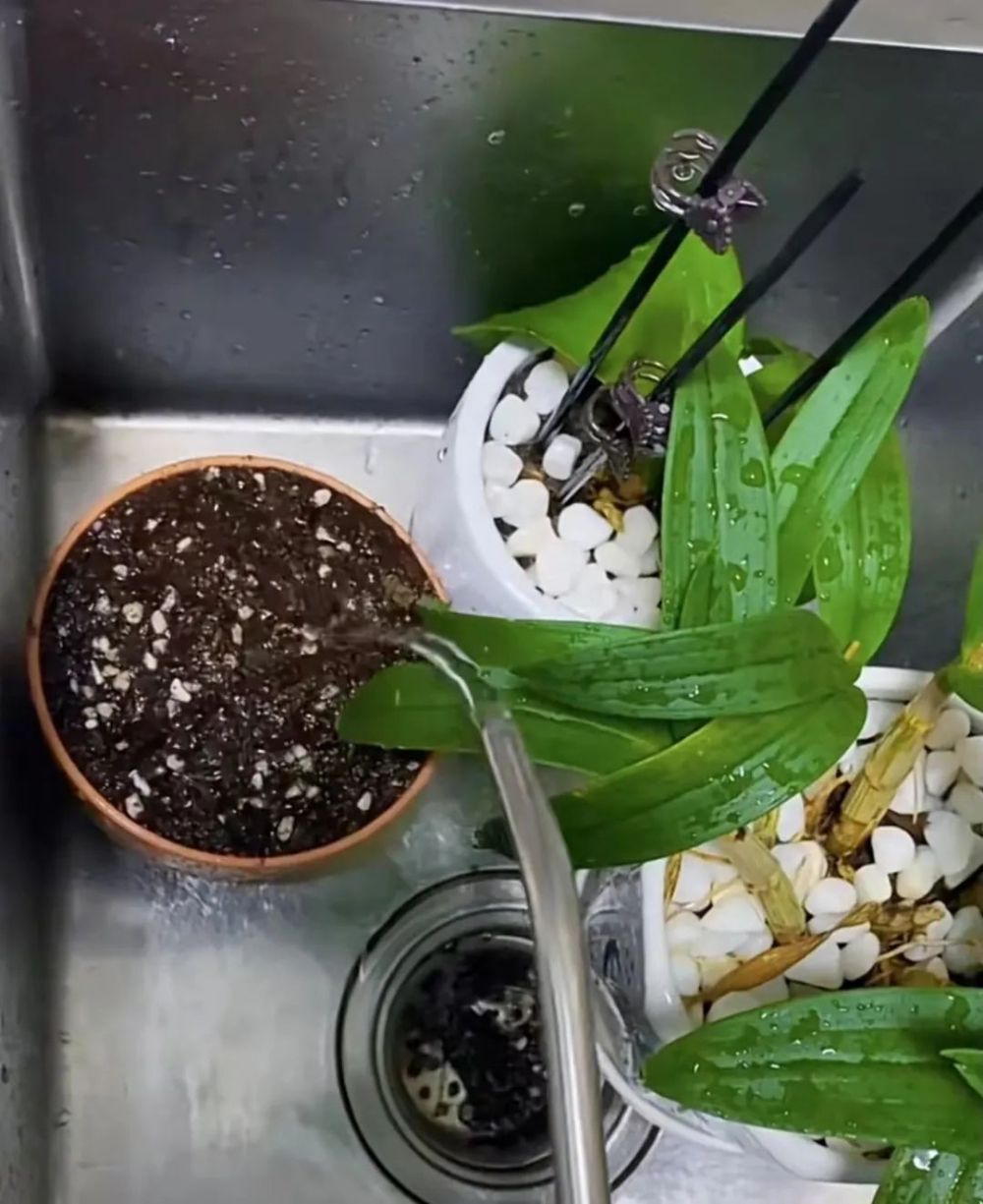
The above content is compiled by CoffeeHunters, a coffee news website.


