








Introduction:High-humidity environments during the "returning south" damp spell often lead to unstable espresso extraction, affecting coffee flavor and consistency. This article delves into how humidity disrupts the extraction process and provides three practical strategies—from moisture-proof storage and clump prevention to precise parameter adjustments—to help baristas consistently pull well-balanced espressos even in humid seasons.
Whenever Guangzhou enters the returning south season, pervasive moisture not only causes walls to seep and floors to stay damp for long periods but also challenges coffee beans with the risk of getting damp. When ambient humidity rises sharply, espresso extraction performance fluctuates: beans in the hopper absorb moisture and easily form clumps, grinding is further disrupted by increased atmospheric moisture, and reduced air pressure slightly lowers the actual brewing pressure of the espresso machine. The final cup often ends up with a muted flavor and prolonged extraction time. As a barista, how can you maintain stable output under such harsh conditions? Below, we share hands-on operational experience from three key aspects—reducing moisture exposure, dealing with clumps, and adjusting parameters—to guide you through specific tuning methods.

The humid characteristics of the returning south season significantly impact the extraction performance of espresso. On days with stable daily weather and minimal day-night temperature differences, calibrating extraction parameters in the morning is usually enough to maintain relatively consistent quality throughout the day. However, once continuous overcast or rainy weather or a typical returning south spell hits, unstable extraction becomes more pronounced. The main reason lies in the high-humidity environment causing beans in the hopper to quickly absorb moisture, which affects the uniformity of the ground coffee and also makes the coffee more prone to clumping due to moisture interference, resulting in uneven extraction. Additionally, as humidity rises, air pressure drops, causing the espresso machine’s pressure performance during pressurized extraction to fall short of normal, leading to a lighter flavor in the final espresso and a significant overall drop in quality.
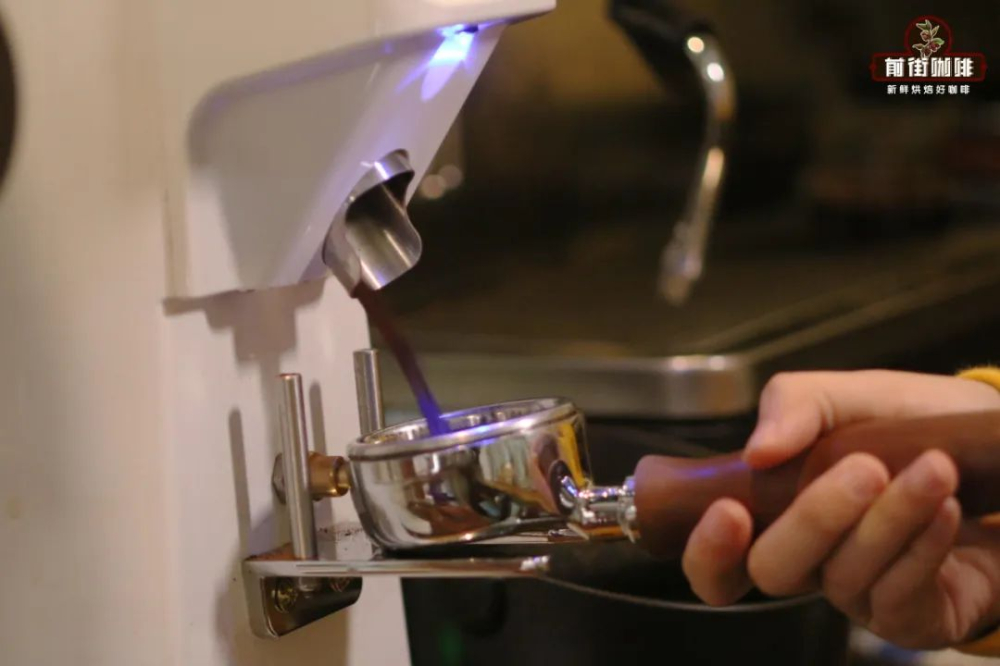
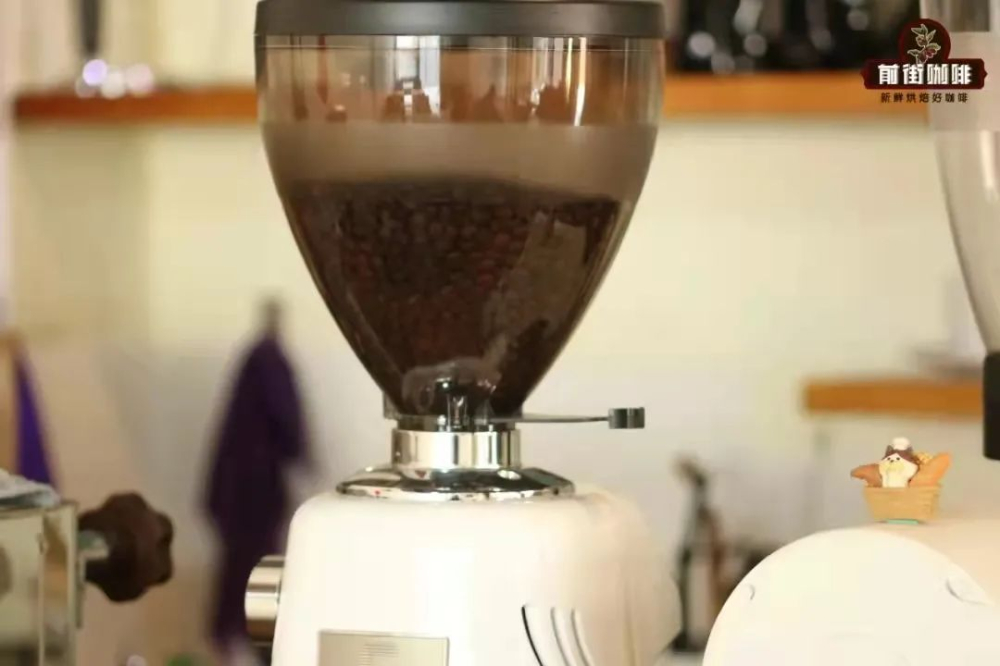
To tackle the high-humidity challenge of the returning south season, the top priority is to minimize the extent to which coffee beans get damp. Recommended practices include keeping shop doors and windows tightly closed to effectively block outdoor moisture from entering. If space and budget allow, using a dehumidifier can help maintain indoor humidity within an ideal range. Pay special attention to the fact that nighttime humidity is often higher than daytime, so after closing, make sure to transfer the coffee beans from the grinder hopper back into sealed bags or containers for proper storage, avoiding prolonged exposure to damp air. Moreover, every time you clean, carefully wipe the surface of the hopper to prevent lingering coffee oils from mixing with moisture and producing unpleasant odors. Similarly, don’t overlook thoroughly clearing out residual coffee grounds from the burr grinder and the dosing chute to prevent moisture buildup that could affect future use.
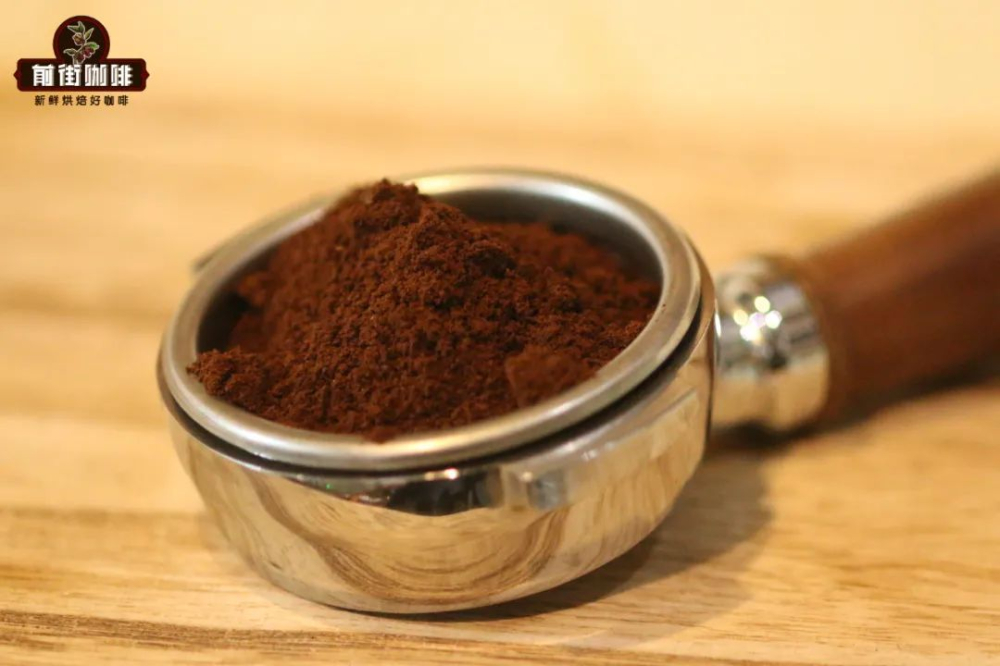
When ambient humidity is high, the issue of coffee ground clumping arises. Generally speaking, freshly ground coffee powder, if there are no mechanical issues with the grinder, is not prone to clumping and can maintain stable extraction after distribution. However, once clumping becomes severe, conventional distributors often fail to evenly disperse the coffee, with clumped areas being denser than the surrounding ones, directly leading to unstable extraction. In such cases, the most direct and effective solution is to switch to manual distribution—lightly tapping with your fingers to moderately break up clumped coffee grounds and ensure an even coffee bed. If the budget allows, investing in a needle distributor can also help by utilizing its unique design to further improve the uniformity of coffee distribution, aiding in more stable extraction performance.
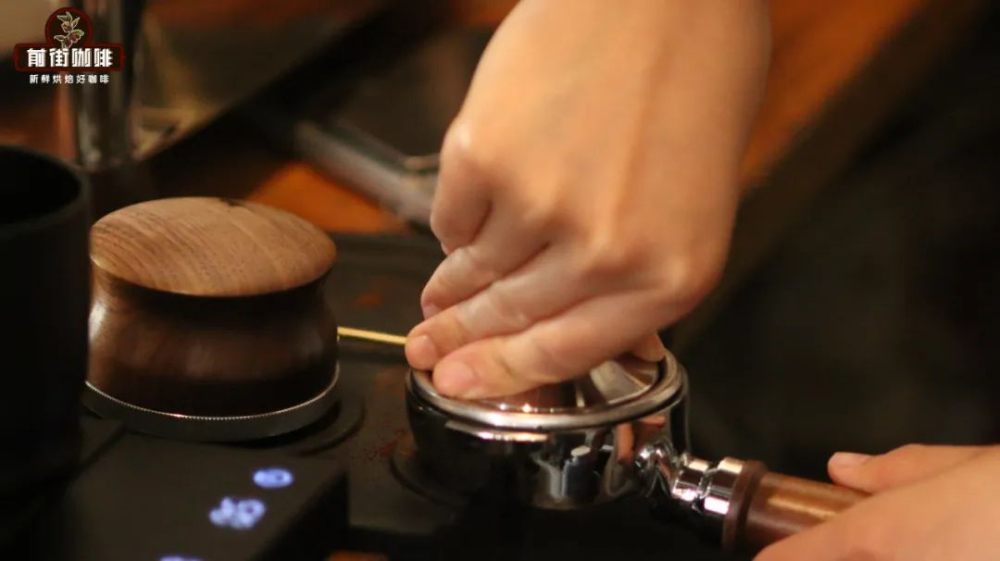
In a high-humidity environment, adjusting to stable extraction parameters is crucial. Due to increased air humidity and reduced air pressure, continuing to use your usual grind size will noticeably slow down water permeation, leading to longer overall extraction times. To address this, it’s recommended to adopt the strategy of "increasing the dose and moderately coarsening the grind": coarsening the grind helps reduce clumping and control extraction time, while increasing the dose enhances extraction stability. In practice, one coffee industry team conducted tests: originally using 19.5 grams of coffee to extract 35 grams of espresso in about 30 seconds (including 6 seconds of pre-infusion). When ambient humidity is high, you can first increase the dose to 20 grams, aiming for the same 35 grams of espresso, then adjust the grind to bring the extraction time back to around 30 seconds, finally fine-tuning further based on actual flavor results. Especially during the highly variable returning south season, a single morning calibration is often insufficient to maintain stability throughout the day—it’s advisable to flexibly adjust according to real-time extraction conditions. A useful reference point is: if the extraction time deviates by more than 3 seconds from the standard value, it indicates the need to readjust the grinder settings.
In summary, although the returning south season poses significant challenges to espresso extraction, through systematic moisture prevention, clump management, and precise parameter adjustments, baristas can still ensure each cup maintains stable and satisfying flavor profiles. It’s essential not only to monitor real-time changes in ambient humidity but also to develop the habit of dynamically fine-tuning based on actual extraction conditions, ensuring you can still serve high-quality espresso even in damp seasons.
The above content is compiled by CoffeeHunters, a coffee news website.


