








Introduction:Although cappuccino is one of the representative drinks of Italian coffee, it rarely appears in iced form. Aside from historical naming reasons, its unique milk foam technique and coffee crema characteristics are also key factors. This article delves into the origin of the name "cappuccino," the standard behind its classic "golden ring" of foam, explores why iced cappuccino is difficult to achieve, and shares practical advice on improving the stability of hot drink foam, helping you better understand the essence of this classic coffee.
Cappuccino can be considered a staple on café menus, but when you order an "iced cappuccino" from a barista, you’ll often be met with a puzzled reaction. This isn’t just a matter of habit — it involves the drink’s historical background, foam properties, and even physical principles. This article will take you from the origin of the name "cappuccino," analyze how its classic "golden ring" standard came about, and deeply explore why iced cappuccino is almost unseen in the market, while also providing some practical observations and suggestions regarding the stability of hot cappuccino foam.

Try saying to a barista: “I’d like an iced cappuccino.” You might see them freeze for a moment, mentally preparing to explain yet again that “cappuccino is usually not served iced.” In fact, the rarity of iced versions of cappuccino isn’t just due to low market demand, but also relates to the core characteristics of the drink itself.
The name “cappuccino” actually originates from Italy’s Capuchin monks. The color of this coffee resembles the brown habits and white cowls worn by these monks, and Italians adapted the pronunciation of "Capuchin" into "Cappuccino" to preserve the rhythm of the original word. In Italian, this term not only refers to the beverage but also carries cultural and visual associations. For this reason, cappuccino has come to be considered as having a "three-layer structure" of espresso, steamed milk, and fine milk foam, with the most crucial element being the “golden ring” around the edge of the coffee.
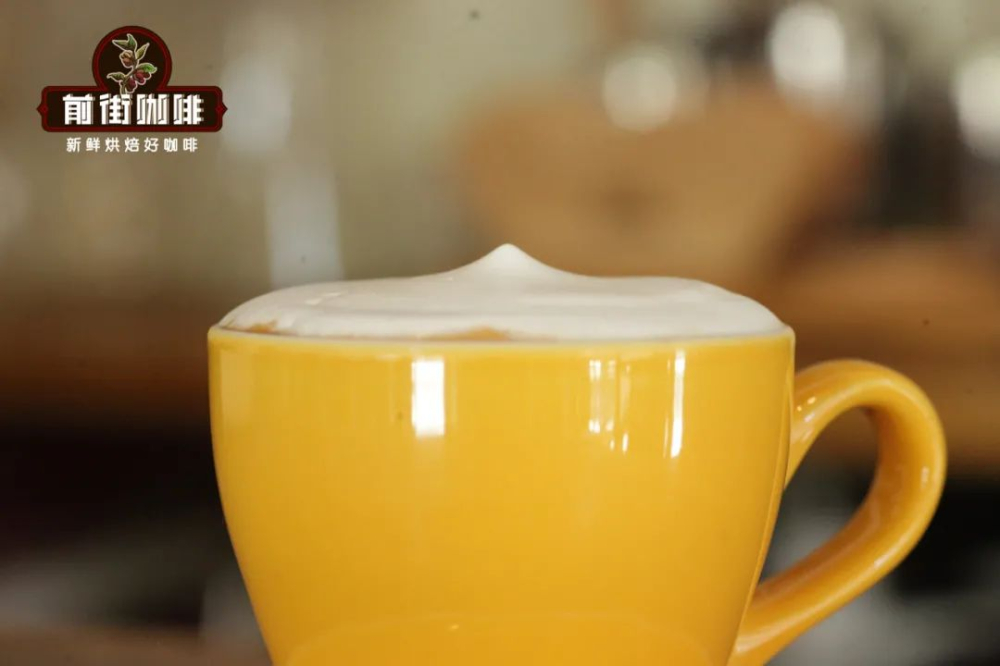
The so-called "golden ring" refers to the light brown halo that appears at the interface where the dark coffee liquid meets the foam after the coffee and milk are mixed. This visual characteristic is not only an aesthetic feature but also an important criterion for judging whether a cappuccino meets traditional standards. To maintain the layered effect of this crema, the foam must be fine and thick enough to effectively prevent the milk from directly breaking up the surface oils. Such a foam structure not only preserves the aroma and flavor of the coffee but also makes the overall texture of the drink smoother.
However, this fine and thick foam also brings some issues. The first is stability: overly thick foam becomes less fluid in low temperatures, and its structure tends to collapse easily, leading to the awkward situation of “foam residue” during drinking — the coffee is gone, but the foam stubbornly remains stuck to the bottom or sides of the cup, affecting the overall drinking experience. Additionally, when making iced cappuccino, the lower temperature makes it even harder for the foam to blend evenly with the coffee and milk, further exacerbating these problems.

If you’ve ever ordered a hot cappuccino and found the foam too thick, making it feel like you’re drinking foam, it might be because the thickness and uniformity of the foam weren’t well controlled. To improve this, the key lies in the texture of the foam: the ideal hot cappuccino foam should be fine, light, and moderately thick, evenly covering the surface of the coffee rather than forming a heavy layer of bubbles. The industry (for illustrative purposes only, not an advertisement) recommends controlling foam thickness to within about 1 centimeter, and ensuring that the temperature and air ratio during foaming are just right, in order to maintain foam stability and a smooth drinking experience.
In summary, the rarity of iced cappuccino is not just a matter of market preference, but is also closely related to its name origin, foam techniques, and the visual and flavor expression of coffee crema. Understanding these underlying principles not only allows you to better appreciate the details of this Italian classic but also helps you make more appropriate choices when ordering, so you can enjoy a cappuccino that truly meets traditional standards.
The above content is compiled by CoffeeHunters, a coffee news website.


