








Introduction:Want to describe the flavors of your pour over single-origin coffee more professionally but always struggle to find the right words? This guide will help you build a systematic approach to flavor recognition by breaking it down into three key elements—aroma, acidity, and mouthfeel—and using the logic of the coffee flavor wheel to teach you how to accumulate taste memory through everyday observation. It also includes practical bean selection tips to help you find single-origin beans that suit both your budget and flavor preferences.
In the world of pour over coffee, being able to accurately describe the flavors you taste is a significant step in both appreciation and communication. Many people have strong impressions while drinking but find it hard to put them into words. In reality, the key lies in training your flavor memory and classification skills—not just relying on talent or a large vocabulary.
You can start building your own flavor description system from daily life. Try tasting different types of fruits, flowers, nuts, and even baked goods, paying attention to their aroma characteristics, the balance of acidity and sweetness, as well as texture changes on the palate. Over time, these memories will become the foundational database for judging coffee flavors.
Understanding the coffee flavor wheel further can help you organize the flavors you perceive in a more structured way. Take fruits, for example—each has its unique aroma profile, acidity levels, and mouthfeel traits. These three dimensions form the basis of our recognition. Even when tasting blindfolded, most people can still identify the fruit based on these three pieces of information.
If you juice the fruit and remove the texture, judging solely by aroma and acidity/sweetness becomes more challenging, but many can still guess correctly. This shows the critical role aroma plays in flavor identification. Therefore, when tasting coffee, we can use types of aromas—such as the fresh and zesty notes of citrus, the soft sweetness of berries, or the rich fermentation feel of tropical fruits—as initial clues for categorization.
Additionally, color often correlates with flavor characteristics. For instance, light-colored fruits (like green apples or lemons) usually correspond to bright acidity and refreshing aromas, while darker fruits (like blackberries or blueberries) tend to have intense fruitiness and a fuller mouthfeel. This visual-taste connection helps us paint a more complete picture when describing coffee.
When it comes to flavor associations, an interesting example is sakura-flavored products. Many assume sakura itself has a strong aroma, but in its natural state, it is extremely subtle and almost unusable as a direct flavor base for food. Most commercial sakura-flavored items rely on flavorists using food-grade aromatics to simulate a “spring vibe”—through a balance of acidity and sweetness and packaging design—to create an atmosphere associated with sakura, rather than the actual taste of the flower.
This example reveals an important idea: flavor associations are often not just direct olfactory or taste matches but may also involve seasonal feelings, visual impressions, or even cultural memories. The same applies to coffee tasting. For example, some coffees might remind you of springtime citrus or cherries due to their bright acidity and light body, while dark-roasted coffees with their richness and caramel notes may easily evoke winter treats like hot cocoa or nuts.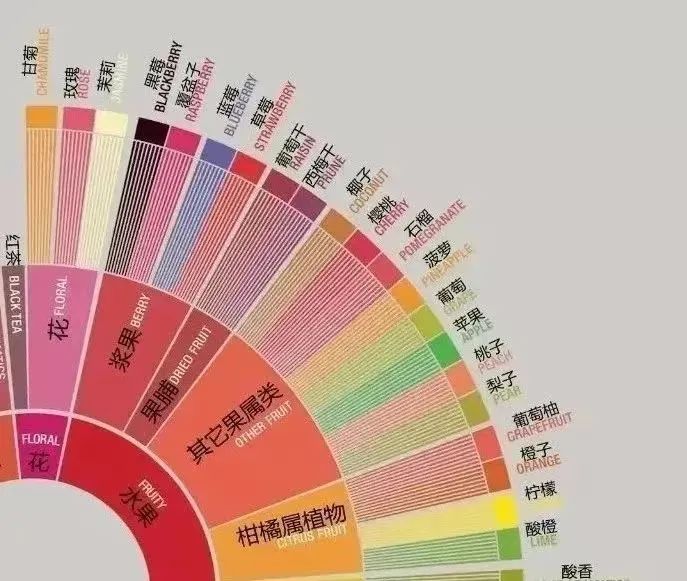
When actually selecting single-origin pour over coffee beans, you can start by considering your personal flavor preferences. If you enjoy bright and refreshing profiles, prioritize beans from high-altitude regions in Africa or Central and South America—these often feature citrus, floral, and tea-like notes. If you prefer bold and rich flavors like chocolate and nuts, look for medium to dark roasts from places like Indonesia or Brazil.
In terms of price, single-origin coffee beans span a wide range. Generally speaking, beans from well-known origins, small farms, or those using special processing methods tend to be relatively more expensive. However, price isn’t the only indicator of quality. We recommend consumers make a comprehensive evaluation based on their budget and actual tasting experience. Beginners might want to start with mid-range options and gradually discover the flavor profiles that best suit their palates.
In summary, accurately describing the flavors of pour over coffee requires systematically training your sensory memory and classification abilities. By understanding the interplay between aroma, acidity, and mouthfeel—and using tools like the coffee flavor wheel—you’ll gain more direction while tasting and can express your experiences more clearly when sharing with others. Remember, every cup of coffee is a unique sensory journey; taste mindfully, and you’ll uncover more delightful surprises.
The above content is compiled by CoffeeHunters, a coffee news website.


