







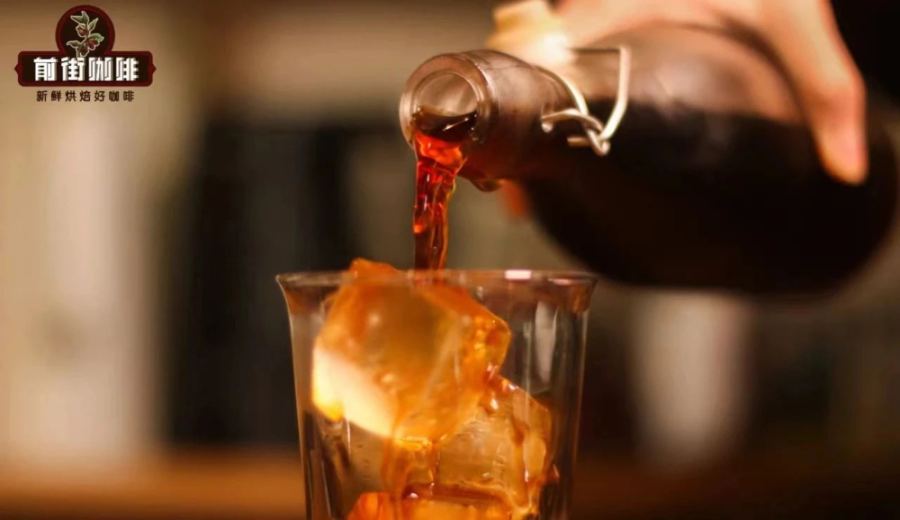
Introduction:Drip coffee, with its unique cold brewing process, delivers a refreshing and layered flavor that is highly praised by coffee enthusiasts. However, the key to brewing a well-balanced, non-bitter drip lies in mastering grind size, dripping speed, and bean selection. This article delves into the brewing parameters of drip coffee, offering practical advice on equipment choice, coffee-to-water ratio, and cold aging to help you easily brew your ideal drip flavor.
Drip coffee is a brewing method where ice water slowly permeates through coffee grounds, extracting the essence drop by drop. Its most distinctive feature is a refreshing yet rich flavor, with a hint of fermented wine aroma, making it a favorite among coffee lovers. Although the brewing process may seem simple, creating a balanced and layered cup of drip coffee actually involves considerable expertise. The focus lies in selecting the right equipment, controlling grind size and dripping speed, and choosing the appropriate coffee beans.
Let’s start with grind size. If the coffee grounds are too coarse, water will pass through the bed too quickly, leading to under-extraction and a weak, insipid taste. Conversely, if the grounds are too fine, the increased resistance can cause water pooling and clogging, not only prolonging the brewing time but also potentially extracting bitter and astringent off-flavors. Based on practical experience,it is recommended to use a grind size with a 20-mesh standard sieve passing rate between 80% and 85%.If you prefer a stronger flavor, you can opt for slightly coarser particles with an 85% passing rate; for a fresher taste, an 80% passing rate is more suitable.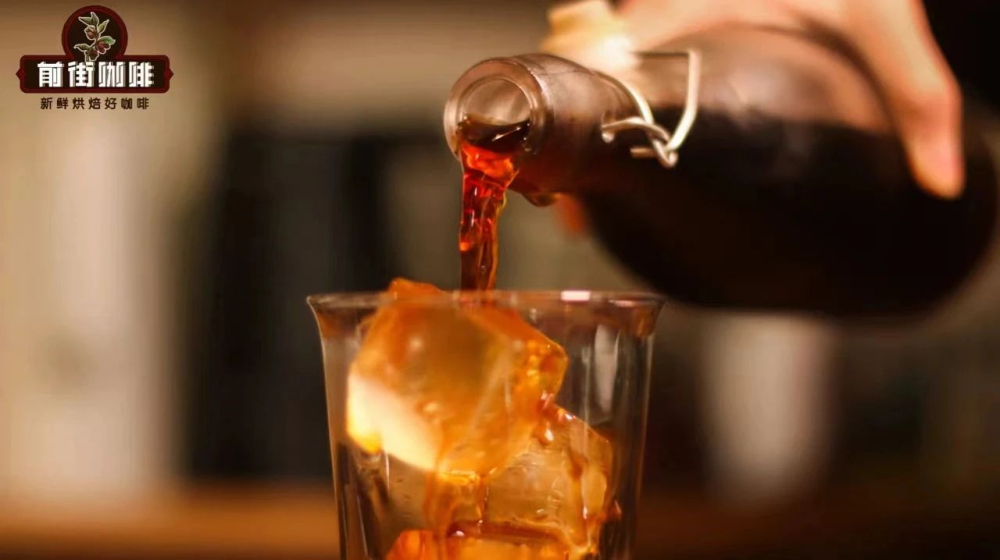
Dripping speed is another critical factor affecting flavor. Drip coffee is a long extraction process, and the speed directly influences the overall brewing time and flavor profile. It is generally recommendedto control the dripping speed at about 7 drops per 10 seconds.For example, with 60 grams of coffee grounds, the total brewing time is approximately 6 hours. If the dripping is too fast, it may result in uneven extraction; if too slow, it may lead to over-extraction. Additionally, before starting the drip, you can slightly pre-wet the coffee grounds. This not only helps prevent channeling but also stabilizes subsequent extraction efficiency.
Regarding equipment, although there are many DIY drip devices on the market, for most people, a reasonably designed and easy-to-use drip tower is the hassle-free and reliable choice. Stable dripping speed control reduces the need for manual adjustments, making the entire process smoother. Of course, if you’re interested in creative brewing, you can also try building your own drip setup—but it’s essential to ensure a stable dripping speed to avoid compromising the final flavor.
As for coffee bean selection, it largely depends on personal taste preferences. Both drip coffee and pour over are essentially different brewing methods, and flavor performance still depends on the bean variety, roast level, and processing method. However, compared to pour over, drip coffee often delivers a cleaner taste, a richer body, and a unique fermented wine aroma. If you enjoy citrusy or fruity profiles, you can choose washed beans from Ethiopia or Panama; for a bolder and richer taste, beans from Central and South America or Southeast Asia are also great options.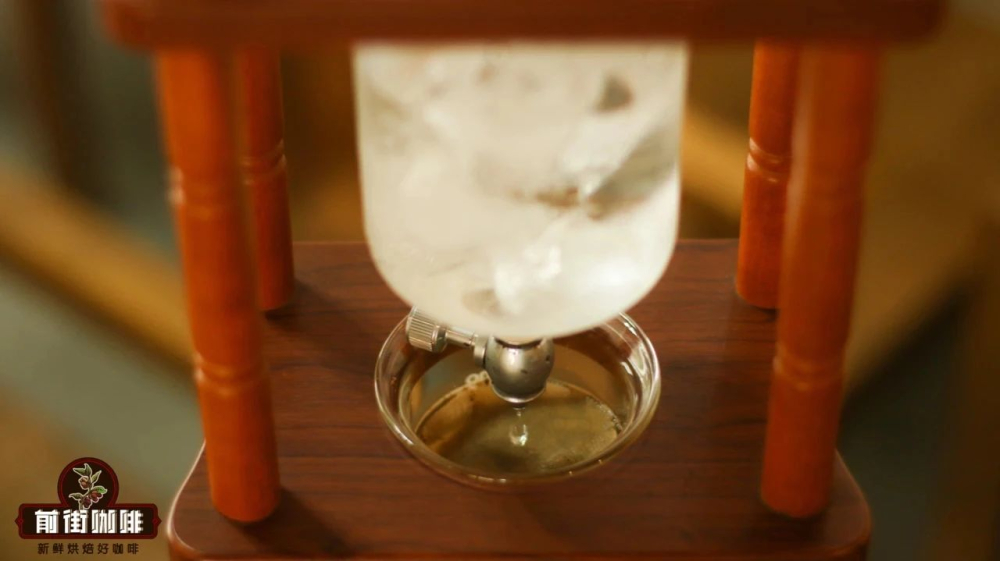
Additionally, it’s recommended to select beans that have been rested for at least a week. This allows residual carbon dioxide within the beans to fully dissipate, preventing channeling caused by degassing during extraction and maintaining flavor balance. Well-rested beans can also showcase a more stable and complex flavor profile.
After the dripping is complete, don’t rush to enjoy it right away. Place the drip coffee in the refrigerator for about 12 hours of cold aging to enhance flavor concentration and unlock a more captivating fermented aroma. This step is similar to the aging process of wine or soy sauce. In a low-temperature environment, flavor compounds slowly integrate, resulting in a smoother mouthfeel and more distinct layers. Practical tests have shown that most drip coffees reach peak flavor after 12 hours of refrigeration.
In summary, the key to brewing a satisfying cup of drip coffee lies in controlling grind size (recommended 20-mesh sieve passing rate of 80–85%), dripping speed (about 7 drops per 10 seconds, 60g of coffee for around 6 hours), and proper aging time (12 hours in the fridge). Once you master these basic parameters and fine-tune according to personal taste, you can effortlessly enjoy the delightful combination of freshness and richness unique to drip coffee.
The above content is compiled by CoffeeHunters, a coffee news website.


